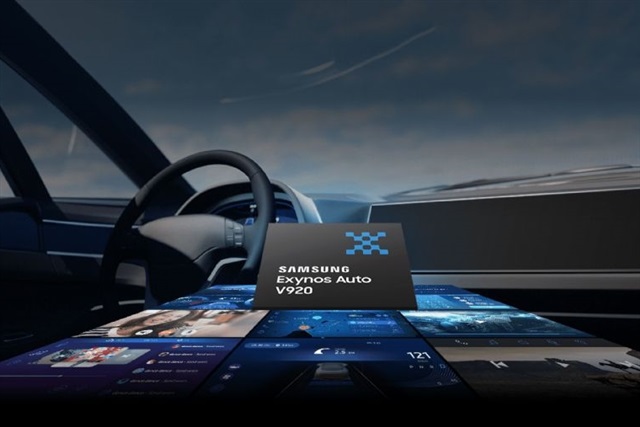
Samsung Electronics is officially stepping into the fast-growing automotive semiconductor market, and it’s doing so with a high-profile partner. The company has started supplying its Exynos Auto V720 processor for use in BMW’s iX3 electric vehicle, marking a major milestone for Samsung’s expansion beyond smartphones and consumer electronics.
At the center of this move is the Exynos Auto V720, an advanced automotive-grade processor built on a 5nm manufacturing process. This next-generation chip is designed to handle the demands of modern vehicles where software, connectivity, and screen-heavy cabin experiences matter as much as horsepower. In BMW’s case, the processor is being used to power the in-vehicle infotainment (IVI) system, which controls key digital functions such as multimedia, navigation, interface responsiveness, and the overall connected driving experience.
The chip’s debut inside BMW’s iX3 is especially notable because it’s tied to BMW’s upcoming Neue Klasse lineup, a new-generation electric vehicle series positioned as a major leap forward for the brand. As automakers push toward smarter, more connected EV platforms, high-performance infotainment hardware is becoming a cornerstone feature, making suppliers like Samsung increasingly important in the automotive supply chain.
For Samsung, supplying the Exynos Auto V720 to a global automaker signals more than just a single component win. It represents a serious entry into the competitive automotive chip arena, where reliability standards are high, product cycles are long, and securing a spot in a vehicle platform can lead to years of steady demand. With EV adoption accelerating and car interiors turning into digital hubs, Samsung’s move positions the company to compete in a market that is expected to keep expanding rapidly in the coming years.
By bringing its 5nm Exynos Auto processor into a premium electric vehicle like the BMW iX3, Samsung is making it clear: the future of automotive technology isn’t just being shaped by carmakers—it’s increasingly being powered by semiconductor innovation.