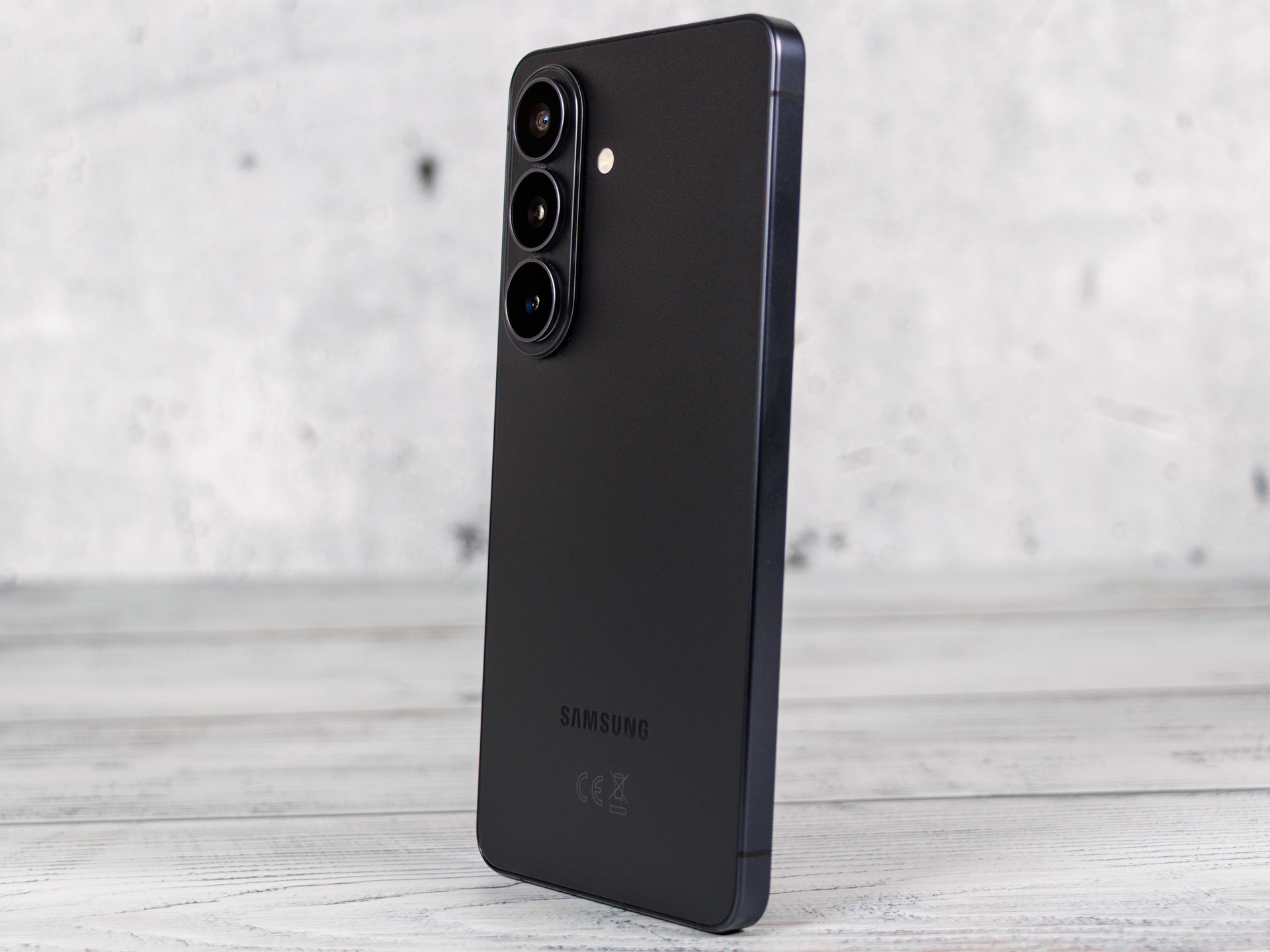
Samsung Galaxy S26: Premium, compact, and polished—but the price story isn’t so simple
The Samsung Galaxy S26 arrives as a compact flagship built for people who want a high-end phone that’s easy to handle without giving up premium features. It runs on the Exynos 2600 processor, pairs it with a 6.3-inch OLED display, and packs a 4,300 mAh battery. Rather than reinventing the series, the S26 focuses on fine-tuning what already worked—resulting in a device that feels refined, fast, and familiar.
In everyday use, the Galaxy S26 makes a strong first impression. The build quality is excellent, giving it that solid, premium feel you’d expect at this level. The OLED display is a highlight too, delivering a bright, vivid image that looks great for everything from scrolling and messaging to video and gaming. Performance feels snappy in typical daily tasks, and wireless connectivity along with reception quality are also described as strong points—important details for anyone who depends on consistent signal and reliable networking.
Samsung also continues to lean into one of its biggest advantages in the Android world: long-term software support. The company is still promising a seven-year update cycle, which adds real value for buyers who plan to keep their phone longer instead of upgrading every year or two.
Still, not everything feels like a meaningful step forward. Charging remains limited to 25W, which can seem underwhelming in a market where faster charging has become common even on less expensive phones. Under sustained heavy load, the Exynos 2600 can throttle noticeably, meaning performance may dip during long gaming sessions or extended intensive workloads. And while cameras often drive upgrades in the flagship space, the Galaxy S26 camera setup reportedly shows little improvement over the previous model—making it less compelling for users hoping for a big leap in photo quality.
Overall, the Galaxy S26 is described as technically well-rounded and pleasant in daily life, but it’s more of a carefully refined evolution than a major breakthrough.
Galaxy S26 pricing: a $100 increase, or something else?
At first glance, the Galaxy S26 looks like it has gotten more expensive. The starting price is up by $100 compared to the previous generation, which immediately raises eyebrows in a competitive premium smartphone market. But the more you look at it, the more the “price increase” becomes a pricing strategy shift rather than a simple hike.
Samsung has discontinued the more affordable 128GB version, and there’s no replacement entry-level model. That means the 256GB variant is now the base configuration—the new “starting point” for buyers. And importantly, that 256GB model already cost $900 last year. So rather than increasing the price of the same entry model, Samsung has effectively removed the cheaper option and pushed everyone into a higher-priced starting tier.
Interestingly, this doesn’t appear to be driven by storage costs or a “memory crisis.” In fact, there’s an argument that 256GB should have been the minimum storage level at this price point even two years ago. From that perspective, Samsung could have positioned the S26 more aggressively—possibly even lowering the price slightly—given that consumers increasingly expect more storage as standard in premium phones.
How it stacks up against competitors
Despite the higher entry price due to the missing 128GB model, Samsung is still positioned as cheaper than many Android rivals in the same premium category. However, it’s also reportedly more expensive than Apple’s iPhone 17, which adds another layer to the value conversation for shoppers comparing ecosystems.
The result is a Galaxy S26 that looks and feels like a flagship, performs well in daily use, and offers long software support—but one that may be harder to justify for upgraders seeking big camera gains, faster charging, or a clear performance advantage under sustained load. For buyers who want a compact premium Samsung phone with a vibrant OLED display, strong connectivity, and a polished overall experience, the Galaxy S26 still checks a lot of boxes—just with a base price that now starts higher because the cheaper configuration is gone.