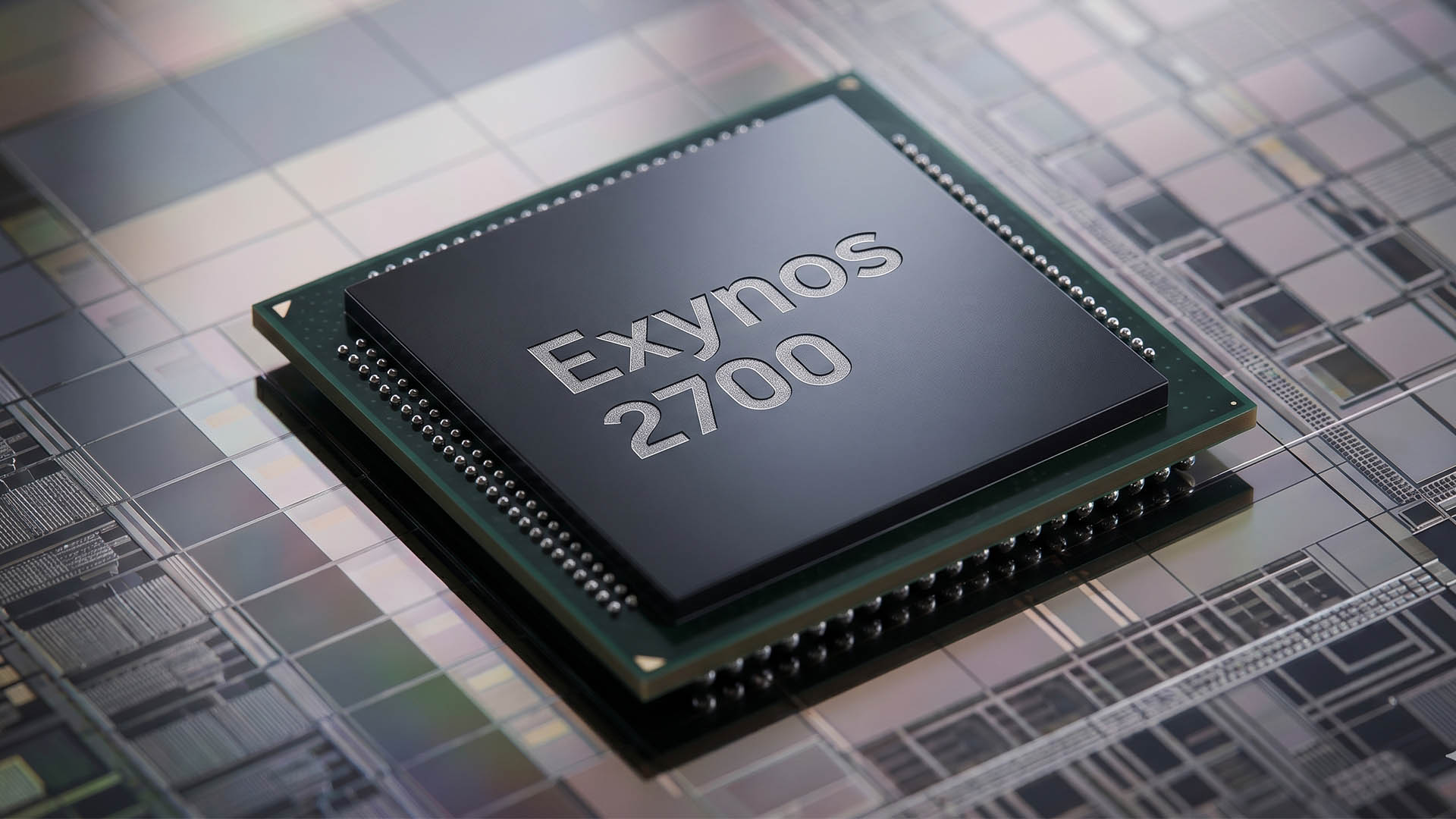
Samsung is doubling down on its next big leap in chipmaking: a second-generation 2nm GAA (gate-all-around) manufacturing process. This upgraded node is expected to power the Exynos 2700, positioned as the direct successor to the Exynos 2600. If the new chipset lands the way Samsung hopes, it could do more than just boost performance in future Galaxy phones—it could also help the company cut costs, rely less on Qualcomm, and improve the financial health of its struggling non-memory semiconductor operations.
Why the Exynos 2700 matters for Samsung’s chip business
Samsung’s non-memory division—covering areas like its Foundry and chip design operations—has been under heavy financial pressure. Estimates suggest the unit posted an operating loss of about 2.6 trillion won (around $1.77 billion) in the first quarter of 2025. By the first quarter of 2026, that loss reportedly narrowed to roughly 1 trillion won (about $679 million), showing that Samsung has already started to stabilize the situation.
Now, industry watchers believe the Exynos 2700 could push that recovery further. If the chip is competitive and Samsung’s second-generation 2nm GAA yields are strong, analysts expect the deficit could shrink again—potentially to about 800 billion won (around $543 million). In other words, a successful Exynos 2700 launch wouldn’t just be a product win; it could be a meaningful step toward reducing losses in Samsung’s non-memory semiconductor business.
Better yields and more Galaxy adoption could accelerate profitability
The biggest swing factor is manufacturing yield—how many usable chips Samsung can produce per wafer on its 2nm GAA process. Strong yields would allow Samsung to scale production, drive wider adoption, and bring in more advanced-node orders. That’s especially important because Samsung has an ambitious goal: getting its foundry business back to profitability by 2027.
One major opportunity is the Galaxy S27 lineup. If the Exynos 2700 performs well enough and production is stable, Samsung could increase how often it uses its own processor in flagship models—something that can reduce spending on outsourced silicon while also strengthening internal chipmaking momentum.
Addressing the Exynos 2600’s biggest weakness: heat and sustained performance
Even with advanced manufacturing, the Exynos 2600 reportedly had a notable drawback under heavy workloads. It could reach a peak power draw of around 30W, driving temperatures high enough to trigger thermal throttling—reducing performance to keep heat in check.
The Exynos 2700 is rumored to tackle this directly with a new side-by-side (SBS) architecture designed to reduce temperatures. If this approach works as intended, it could lead to better sustained performance during gaming, demanding apps, and extended high-load use—while maintaining similar power targets. The goal is clear: competitive flagship performance without the heat-related drop-offs that can undermine real-world speed.
Samsung reportedly aims for 50% of Galaxy S27 models to use Exynos 2700
Another notable claim is that Samsung may adopt the Exynos 2700 in roughly 50% of all Galaxy S27 variants. That would represent a significant increase compared to the Galaxy S26 generation, signaling stronger confidence—assuming production yields and performance benchmarks meet expectations.
Ultimately, the Exynos 2700’s impact will come down to two things: whether Samsung’s second-generation 2nm GAA process can deliver strong, scalable yields, and whether the new chip can offer cooler, more consistent flagship-level performance. If both happen, Samsung could reduce its reliance on external chip suppliers and take a meaningful step toward repairing its non-memory semiconductor business.


