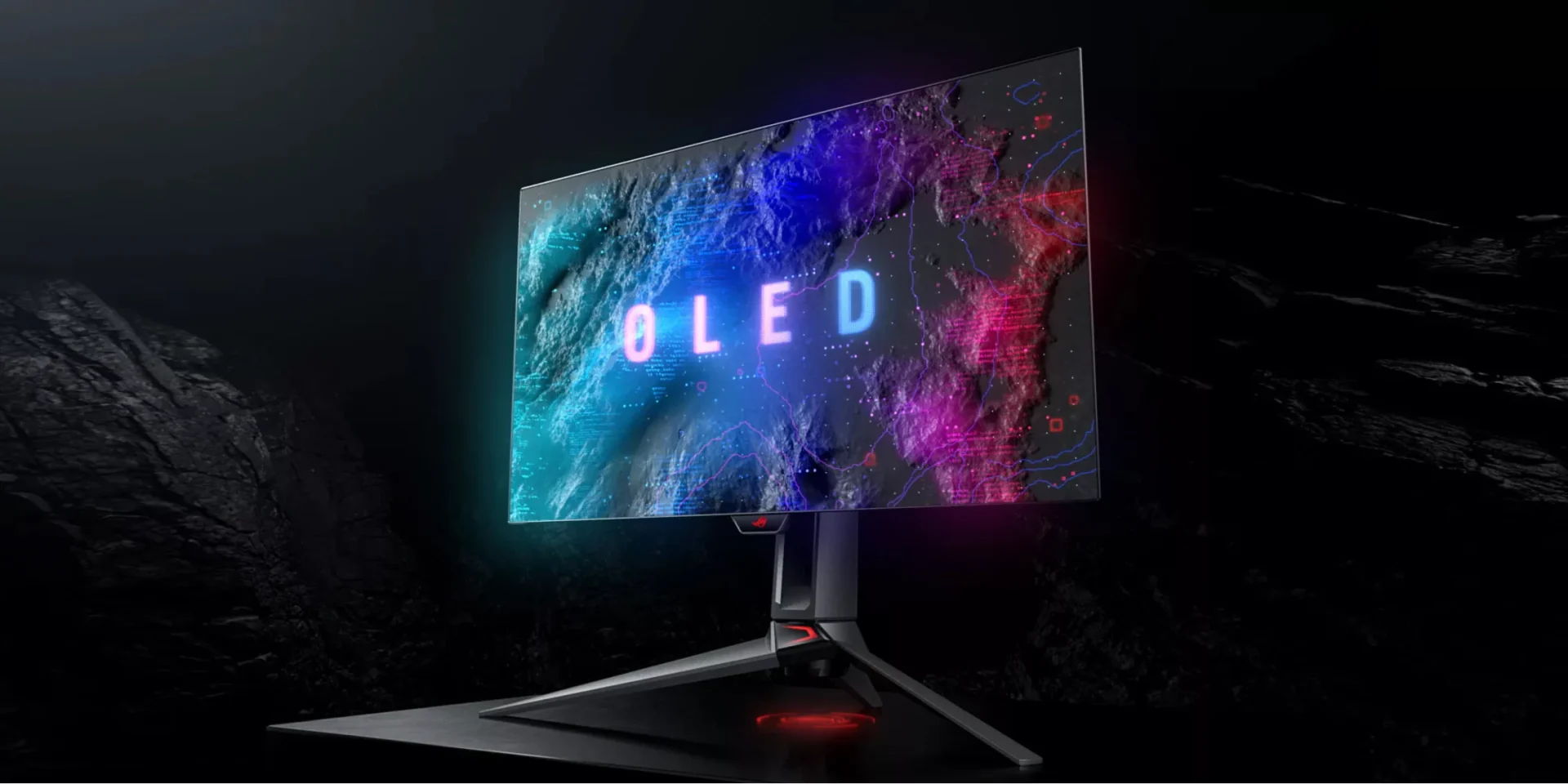
A 24-inch OLED monitor could become the next big “sweet spot” for PC gaming—delivering the deep blacks, instant response times, and punchy colors OLED is known for, without forcing buyers into the higher prices that usually come with larger OLED screens. A new industry rumor suggests Samsung Display is working toward exactly that, with plans that may finally bring smaller OLED monitors into the mainstream.
The latest chatter points to Samsung preparing multiple OLED monitor panels across 2026 and 2027, with the biggest changes arriving in 2027. The 2026 range is said to focus on expanding and refining existing sizes using the company’s current generation OLED technologies, while 2027 could introduce new panel tech along with fresh screen sizes—including a much-requested 24-inch OLED.
What’s expected in Samsung’s 2026 OLED monitor lineup
For 2026, the reported plan centers on familiar monitor categories built around Samsung’s 2nd and 3rd generation OLED panel technology. The lineup is rumored to include:
27-inch OLED monitors in both QHD (1440p) and UHD (4K)
31.5-inch UHD (4K) OLED monitors
Ultra-wide options such as a 34-inch model in a “quad-wide” format
A 49-inch “dual quad” super ultra-wide OLED with a 32:9 aspect ratio
A new 34-inch model with an upgraded “U+” resolution
Even if 2026 doesn’t bring a major leap in OLED fundamentals, the rumor suggests meaningful spec tuning. Reported upgrades include a move to an RGB stripe pixel structure (with around 110 PPI), higher UHD refresh rates reaching 240Hz, and improved surface treatment designed to reduce reflections and improve viewing comfort. Brightness, however, is expected to remain roughly in line with the prior generation.
In short: 2026 may be about polishing performance and broadening choices—especially for gamers and creators who want ultra-wide OLED displays—rather than a dramatic reinvention.
Why 2027 could be the real OLED monitor breakthrough
The more interesting part of the rumor is what’s planned for 2027. Samsung Display is expected to transition to 4th generation OLED panel technology for its monitor lineup, along with internal improvements tied to updated panel design targets. Alongside the tech update, two new sizes are rumored to join the family: 24 inches and 39 inches.
If this information proves accurate, a 24-inch OLED would be a standout move for the market. Right now, most OLED monitors start at 27 inches, which often comes bundled with higher prices. A smaller 24-inch model—likely aimed at high-refresh 1080p gaming—could be far more accessible for competitive players and everyday users who want OLED quality without paying premium large-panel pricing.
A 24-inch 1080p OLED with a high refresh rate makes a lot of sense for popular esports titles and fast-paced multiplayer games, where fluid motion and clarity matter more than sheer resolution. It also aligns with what many gamers already prefer for desk setups: a compact screen size that’s easy to drive at high frame rates.
The rumored 2027 specs also mention UHD 240Hz with additional refresh-rate support features, plus brightness targets around the TB600 level. If those improvements arrive on schedule, they could help OLED monitors compete even more strongly not only on contrast and motion, but also on perceived brightness—one of the areas buyers often compare closely when choosing between display types.
What about a 25-inch OLED?
Prior rumors have also mentioned Samsung launching a 25-inch OLED monitor around 2026, though there hasn’t been anything official. If Samsung ends up releasing both 24-inch and 25-inch options across the next couple of years, smaller OLED monitors could finally become a realistic upgrade for people currently using IPS or VA panels—especially those who’ve avoided OLED due to price tags that frequently land in the $700 to $1,000 range for larger models.
For many buyers, that’s the real story here: smaller OLED screens could push the category into more affordable territory, speeding up adoption and making OLED a more common choice for everyday gaming builds.
Of course, all of this remains unconfirmed until Samsung shares its official roadmap. But if these plans play out, 2027 could be the year OLED monitors stop being “premium-only” and start becoming a practical option for a much bigger audience—led by the long-awaited arrival of a 24-inch OLED gaming monitor.