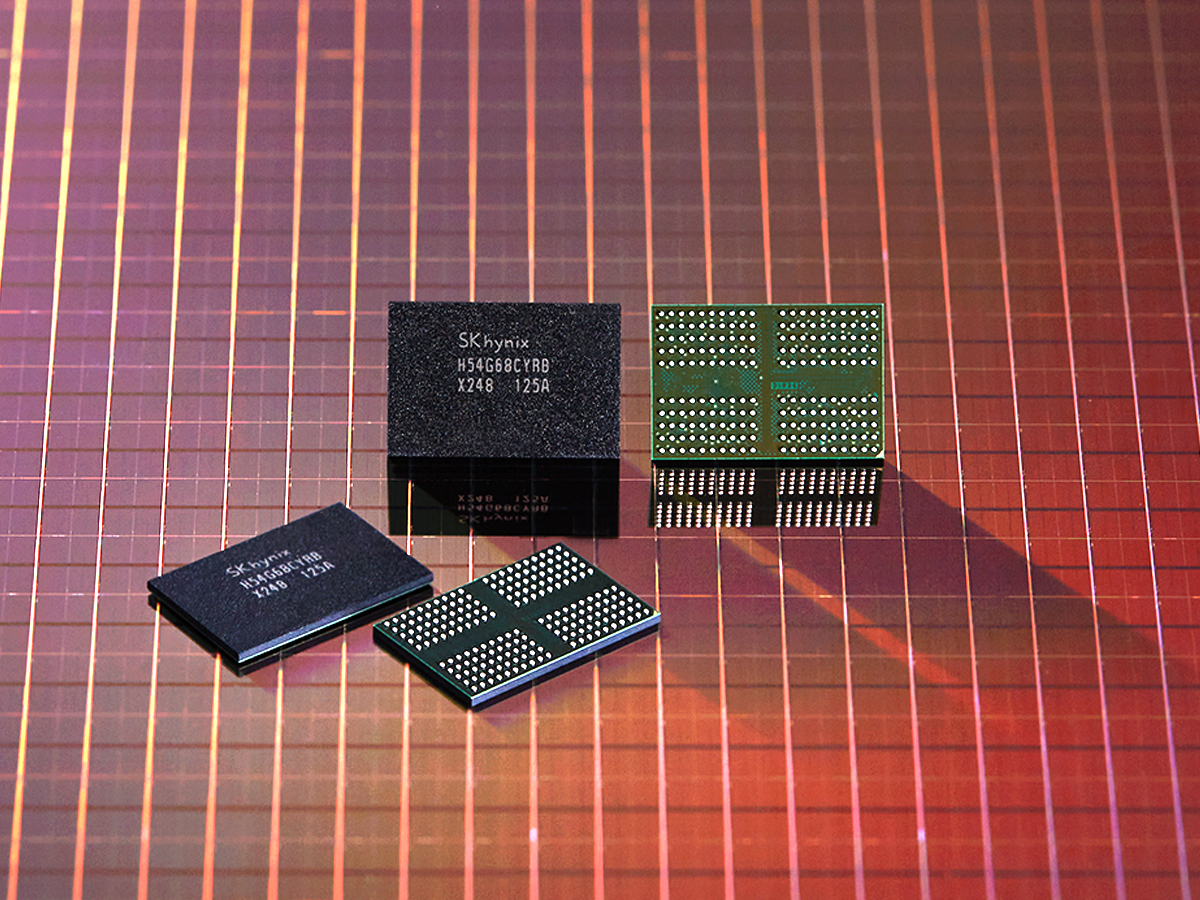
Samsung and SK hynix, the two companies responsible for more than 70% of the world’s DRAM output, are making it clear that they don’t plan to “flood the market” just because demand is exploding. Instead, their game plan for the current memory boom is simple: protect profitability, avoid reckless expansion, and steer clear of another painful oversupply cycle.
That stance matters because DRAM—one of the most critical components behind everything from PCs and smartphones to data centers and AI servers—is becoming harder to secure at reasonable prices. In recent weeks, RAM pricing has surged sharply, and for many buyers it’s starting to feel uncomfortably close to unaffordable. The core reason is straightforward: demand for DRAM is hitting record highs, while supply can’t expand quickly enough to keep up.
Industry expectations suggest these DRAM supply constraints won’t be a short-lived issue. The outlook is that shortages could continue for multiple quarters ahead, with some projections stretching the tight conditions out for years. The big takeaway for shoppers and hardware buyers is that the market may not “cool off” soon—meaning DRAM-related products could remain expensive and availability could stay limited.
Samsung has explained its reasoning in plain terms: ramping production too aggressively can backfire. Building and expanding DRAM capacity isn’t something manufacturers can do overnight. It requires major investment, specialized equipment, and long lead times. On top of that, memory makers still remember what happened during the pandemic-era swings and the period that followed, when demand weakened and suppliers cut production to prevent losses. Those earlier reductions helped create today’s constrained production environment, and the companies are wary of repeating history in reverse.
The fear is that if DRAM manufacturers massively increase output right now, the market could eventually flip into oversupply—especially if today’s AI-driven demand surge slows down later. When oversupply hits, prices crash, profitability collapses, and the entire memory industry ends up forced into another round of painful corrections. That’s exactly what Samsung and SK hynix want to avoid by carefully managing capital expenditure and scaling capacity in a measured way.
Adding to the pressure, manufacturers are reportedly leaning more toward short-term supply contracts. That structure allows pricing changes to be reflected more quickly in customer quotes, which can accelerate how fast higher DRAM costs show up in end products. For consumers, this can translate into persistently higher prices across the board, even when shopping outside the memory aisle.
So what does this mean if you’re planning a PC upgrade or looking at new hardware? Don’t expect a rapid return to cheap RAM in the next quarter or two. And because DRAM availability and pricing ripple through the supply chain, products tied closely to memory demand—such as RAM kits and even GPUs—may continue to face supply constraints and elevated pricing.
For now, the memory boom is being managed deliberately, not aggressively. And unless supply expands faster than expected or demand eases significantly, the DRAM market may stay tight well beyond the near term.