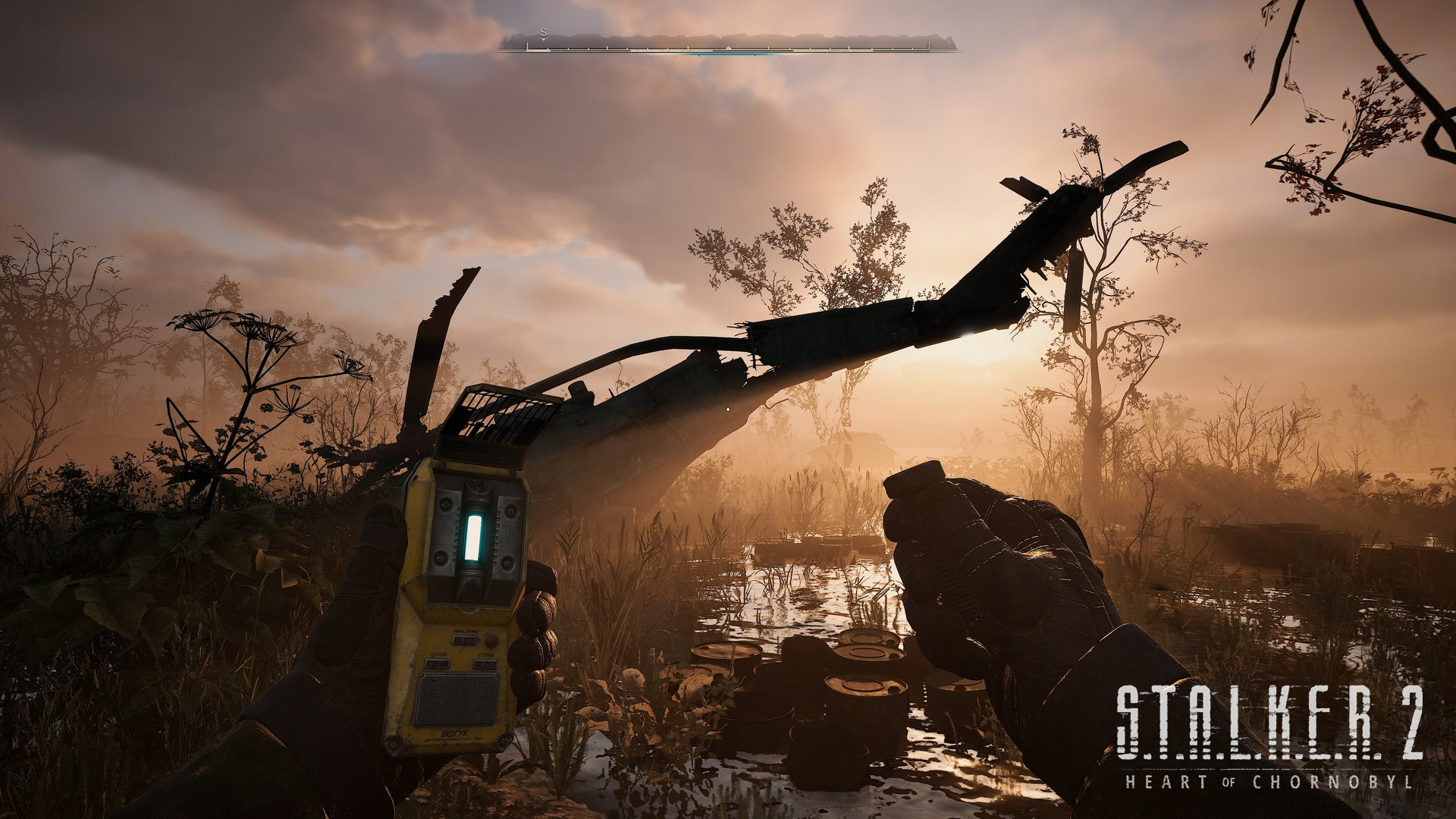
S.T.A.L.K.E.R 2: Heart of Chornobyl has finally emerged from the depths of development delays, making an explosive entrance into the gaming world in 2024. With a history spanning seventeen years since its predecessor, the question on everyone’s mind is: Was the wait worth it? In many ways, the answer is a resounding yes. The game ambitiously elevates the S.T.A.L.K.E.R series, but not without a handful of hiccups. For those on the fence, perhaps waiting for a few patches might be prudent to smooth out its rough edges.
Development faced numerous challenges, but the creators have managed to deliver a riveting experience… at least in part. Revisiting the eerie post-apocalyptic world, I found myself with only faint memories of past travels in Shadow of Chernobyl, Clear Sky, and Call of Pripyat. Yet, even without a perfect recollection of its lore, the game’s core remains compelling. I’m far enough along in the storyline, albeit not quite to its conclusion due to reasons that will become clear.
Graphically, S.T.A.L.K.E.R 2 is a demanding beast. Featuring Unreal Engine 5, my setup with a Ryzen 7 5800X3D and GeForce RTX 3080 Ti struggled at 4K resolution, and lowering it to 1440p brought some relief. Despite tweaking settings to ‘High’, performance dips were hard to ignore, particularly in environments bustling with NPCs. Various hardware setups have reported inconsistent performance, so it’s worth checking how the game might run on your system.
Beyond performance issues, bugs plague the game experience. Glitches abound—from broken quests to disappearing UI elements and NPC quirks. I’ve faced instances where progressing the narrative required loading prior saves. Once a side quest completed itself miraculously post-acceptance, leaving me amazed yet confused. Inventory management becomes another headache when items hang around past their welcome, especially given the limited space.
Despite these setbacks, S.T.A.L.K.E.R 2 offers a tantalizing open-world experience that’s equal parts survival and exploration. You begin with minimal gear in a menacing world, relying on savvy to navigate a treacherous environment fraught with dangers like bandits and mutants. Fast travel is sparse, pushing players to explore every inch of the expansive landscape on foot. The map is dotted with potential discoveries, inviting you to uncover stashes packed with valuable items like weapons and upgrade schematics.
The game’s interface adopts a refreshingly minimalist approach. Essential indicators like health and stamina are unobtrusive, allowing a more immersive experience. This design choice, paired with its dark, atmospheric tone, suggests a survival horror title rather than a routine FPS. Although the RPG elements aren’t the focus, your decisions significantly impact the narrative’s conclusion, inviting players to weigh their choices carefully.
Scavenging for artifacts throughout this desolate world can transform your gameplay, bolstering your abilities and gear. Though daunting at first due to basic equipment, persistence yields rewarding gains. Strategic management of resources becomes crucial, as carrying capacity limits what you can haul, forcing difficult choices about which gear to keep.
Despite some quirks, S.T.A.L.K.E.R 2: Heart of Chornobyl remains a captivating title worth diving into—especially for those with a penchant for bleak, immersive worlds filled with discovery and danger. Whether you’re a veteran fan or new to the series, this game offers a distinct, albeit bumpy, journey worth embarking on.S.T.A.L.K.E.R. 2: Heart of Chornobyl is a game that truly captivates fans with its immersive aesthetic, realistic weapon dynamics, and an impressive incorporation of elements from its predecessors in the S.T.A.L.K.E.R series. The game shines with a complex depiction of The Zone and offers choices that genuinely impact the storyline, alongside engaging faction interactions and exceptional world-building. All these aspects make it a worthy successor to a legendary series that shaped its genre.
However, despite its potential, the game comes with several issues that could deter new players. Performance problems and disruptive bugs aside, the gameplay experiences several challenges. Mutant enemies like Bloodsuckers have exorbitant health, inflict excessive damage, and possess speed that makes them formidable foes. The hit detection on jumping rats is awkward, compounded by their frantic movements, which adds to the difficulty. Moreover, aggressive wildlife like boars and dogs forces players to expend precious ammunition just to traverse certain areas.
The game’s economic system also requires attention. The cost of repairing weapons and armor is disproportionately high compared to the meager rewards from side quests. Furthermore, selling looted equipment is often impossible as most items are too damaged to offer value. Only one specific NPC will purchase broken gear, and even then, you’re limited by how much you can carry due to weight constraints. Additional minor irritations include overlapping enemy spawn points, an unusually short day-night cycle, and an overabundance of certain types of ammunition like 12×70 buckshot.
These issues could potentially be addressed through patches, which is why some players might find it beneficial to hold off on diving into the game immediately. Despite these drawbacks, S.T.A.L.K.E.R. 2: Heart of Chornobyl fundamentally gets many things right, hinting that improvements are likely on the horizon. The game shows immense potential for growth and could very well achieve the recognition it deserves in due time. Moreover, the modding community may breathe new creative life into the game, much like they have with previous titles.
Encouragingly, developer GSC has already started addressing community feedback with patches soon after the game’s release, demonstrating their commitment to enhancing the player experience. As the game evolves and the community starts weaving their modding magic, the future for S.T.A.L.K.E.R. 2: Heart of Chornobyl looks bright indeed. For now, it may be worth waiting for further updates and improvements before plunging back into the eerie depths of The Zone.