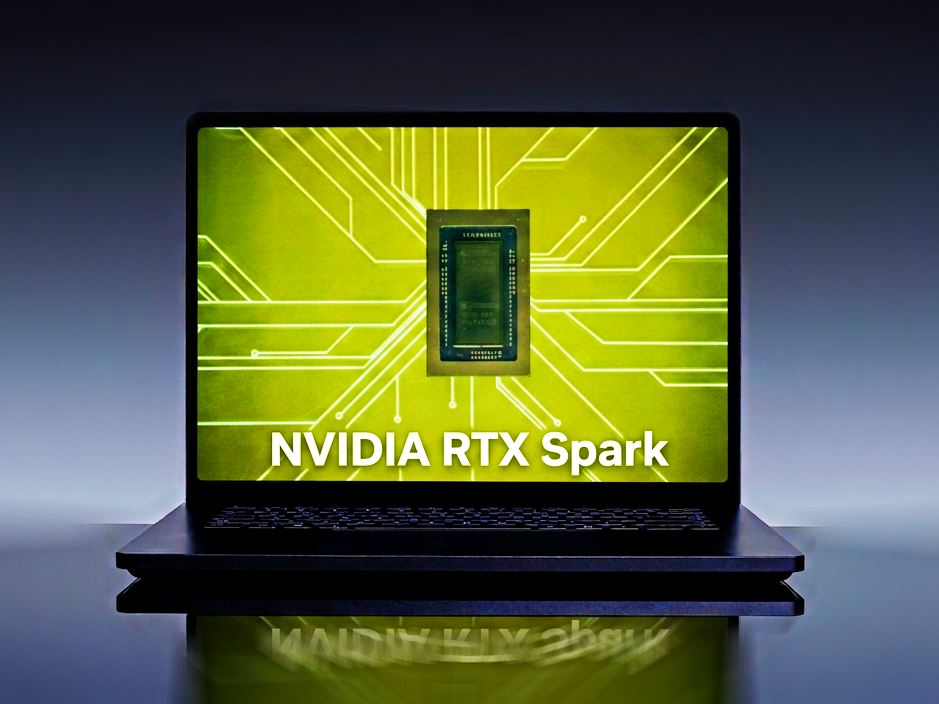
Nvidia RTX Spark laptops could start at $1,799, with premium models reaching MacBook Pro territory
Nvidia’s upcoming RTX Spark laptop platform is already becoming one of the most talked-about PC launches of the year, and new pricing details suggest these machines may compete directly with high-end creator laptops, including Apple’s MacBook Pro lineup.
According to details reportedly outlined in a Morgan Stanley market analysis, laptops powered by Nvidia’s RTX Spark chips could begin at around $1,799 for entry-level N1 models. More powerful devices using the N1x chip may start at approximately $2,899, placing them firmly in the premium laptop category.
These figures are believed to apply to more standard configurations, likely with 16GB or 32GB of RAM and 512GB or 1TB of storage. Fully loaded models with far larger memory and storage options, such as 128GB of RAM and a 4TB SSD, would almost certainly cost significantly more.
While the estimated starting prices are already high, final retail pricing will depend heavily on the brand, display technology, memory, storage, cooling design, and overall build quality. Premium RTX Spark laptops aimed at professional creators, AI workloads, video editing, 3D rendering, and advanced productivity could easily move well beyond the base estimates.
Several RTX Spark laptops were announced during Computex 2026, giving buyers an early look at what to expect when the platform launches more widely. The lineup so far includes a mix of creator-focused notebooks, convertible designs, and ultra-premium performance laptops.
Microsoft is preparing the Surface Laptop Ultra, a 15-inch premium laptop featuring a mini-LED touchscreen and a design aimed at creators and professionals.
Asus has introduced the ProArt P16 and ProArt P14, two slim and lightweight laptops built for creative work. Both models feature OLED displays and are expected to target users involved in design, content creation, editing, and visual production.
Dell has announced the XPS 16 Creator Edition, an updated version of its XPS 16 laptop equipped with the RTX Spark superchip and a tandem OLED display, positioning it as a high-end option for professionals who want strong performance in a polished design.
HP is joining the RTX Spark lineup with the OmniBook X 14 and OmniBook Ultra 16. The company claims these are the thinnest RTX Spark laptops announced so far, which could make them appealing to users who want portability without giving up next-generation performance.
MSI has revealed the Prestige N16 Flip AI+, a 2-in-1 convertible laptop with a 16-inch UHD+ tandem OLED display. Its flexible form factor could make it attractive for users who want a device that works as both a laptop and a creative touchscreen workspace.
Lenovo is also part of the first wave with the Yoga Pro 9n, a 16-inch creator laptop updated with Nvidia’s RTX Spark platform. The Yoga Pro series has traditionally focused on strong displays and creator-friendly performance, and this new model appears to continue that direction.
Although eight RTX Spark laptops have been highlighted so far, Nvidia expects the product lineup to expand considerably. By the time these devices become available in the fall, the company anticipates around 30 laptop models and 10 desktop models based on the RTX Spark platform. More systems from major PC brands, including Acer and Gigabyte, are also expected to appear.
The big question is whether Nvidia’s RTX Spark platform can deliver enough performance, efficiency, and software support to challenge established premium laptops. With expected pricing starting at $1,799 and climbing into the $2,899 range for higher-end configurations, these devices will need to offer more than just impressive specifications.
For creators, developers, AI users, and professionals looking for powerful Windows laptops, RTX Spark could become one of the most important PC platforms to watch in 2026. If Nvidia and its hardware partners can deliver strong battery life, excellent displays, fast AI performance, and reliable creator-focused software support, RTX Spark laptops may become serious alternatives to today’s most popular premium workstations.


