The world’s fastest electric vehicle (EV) charger is set to make waves in the mining industry, promising to revolutionize how we think about heavy-duty, eco-friendly machinery. Designed by the Australian mining titan Fortescue, this groundbreaking charger can power up an awe-inspiring 1.9 megawatt-hour (MWh) battery of an electrified mining truck in just 30 minutes. Delivering 6 megawatts (MW) of power, it epitomizes the next step in sustainable energy for heavy industries.
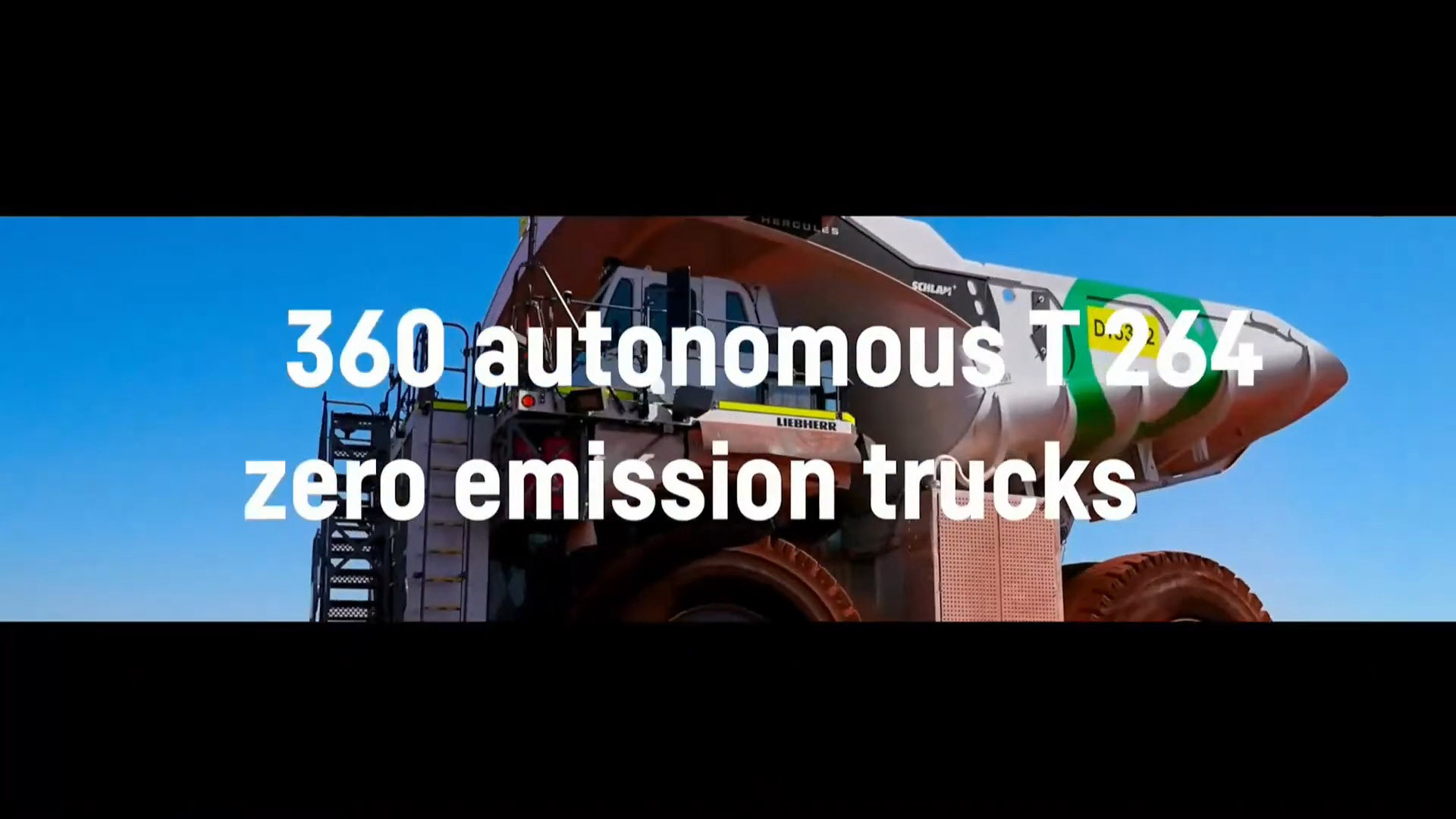
This innovative charger is a key component of Fortescue’s Real Zero Climate Transition Plan, a $2.8 billion initiative aimed at converting their extensive fleet of diesel-powered machinery—dozers, excavators, and massive haul trucks—to electric power. Specifically, Fortescue is transforming its 240-ton Liebherr T 264 haul trucks from diesel to autonomous battery-electric models. The transition involves replacing their enormous Cummins QSK 60 engines with equally colossal 1.9 MWh battery packs.
“In developing this battery technology and the Automated Haulage Solution, Fortescue Zero is leading the charge in providing green, innovative solutions that aim to eliminate emissions from heavy industry,” said Fortescue’s Executive Chairman, Andrew Forrest.
Diesel-powered mining trucks are notorious for their heavy carbon footprint, emitting a staggering 192 million tonnes of carbon dioxide each year. Thus, the mining sector is ripe for electrification—an essential move to align with climate goals and comply with stringent environmental regulations.
Until now, commercial EV chargers, such as those developed by ABB, peaked at 3.75 MW of output, fitting within the newly approved Megawatt Charging System (MCS) standard for commercial vehicles. However, even these impressive figures fall short of what’s needed to fuel Fortescue’s autonomous electric T 264 haul trucks, which tip the scales at 240 tons and rely on 1.9 MWh batteries. To meet this colossal energy demand, Fortescue has pioneered its own 6 MW charging solution, set to be operational by 2026.
For perspective, compare this with the Tesla Semi Megachargers that Pepsi has deployed, which deliver 750 kW of power, and Tesla’s North American Charging Standard (NACS), rated for up to 1 MW. In the realm of passenger EVs, the fastest charger announced thus far comes from XPeng, boasting 800 kW S5 piles that can provide 187 miles of range in just 5 minutes. As we move closer to 2026, it will be fascinating to see the design and cooling methods Fortescue employs to deliver this unprecedented 6 MW output.
This breakthrough underscores the ever-evolving landscape of sustainable energy solutions and Fortescue’s commitment to driving significant environmental change in heavy industries, shining a spotlight on the transformative power of green technology.