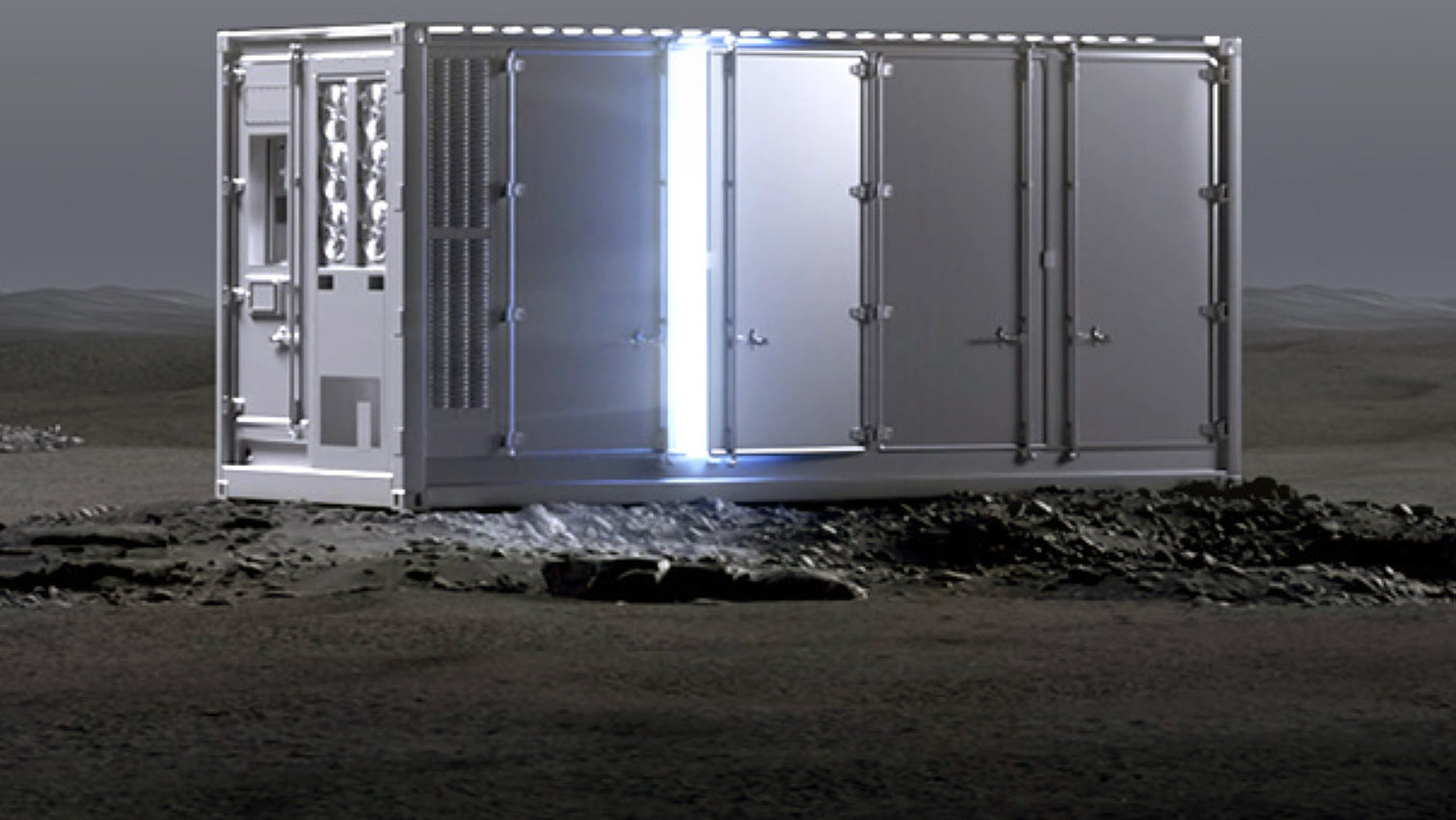
Energy storage technology has reached a new milestone with the advent of the world’s highest capacity energy storage system produced by leading battery maker CATL. Surpassing Tesla’s Megapack, CATL’s groundbreaking Tianheng container storage system brings an astonishing 6.25 MWh capacity to the table, along with an unprecedented 20-year capacity-retention warranty. This new technology not only offers more storage but also sets a new benchmark for endurance and performance in the energy storage space.
Notably, the Tianheng system boasts an impressive 430 Wh/L energy density in its LFP cells, which is significantly higher than its competitors. In comparison, Tesla’s Megapack is capable of storing up to 3.9 MWh and comes with a 15-year warranty on capacity retention. CATL’s innovative approach to long-life battery technology has not only improved the capacity but risen the stakes with their zero-battery-degradation guarantee for the first five years of usage.
The significance of CATL’s advancements in long-life battery research can’t be overstated. The company is determined to create batteries that endure for as long as the vehicles or systems they power. Their work extends beyond energy storage to electric buses, as exemplified by the LFP battery supplied to China’s largest electric bus manufacturer, which boasts a zero-degradation guarantee for 1,000 charge-discharge cycles and a 15-year warranty.
Moreover, CATL is affecting change in the realm of electric vehicles by supplying swappable battery packs with a 12-year warranty. Their recent collaboration with NIO on EV cells that would carry a 15-year warranty holds promise for a burgeoning used electric car market. This is an important aspect to consider, especially as the landscape anticipates over 20 million EVs going out of warranty by 2030.
Beyond the technical specifications of CATL’s new system, there are broader implications for energy storage technology. These advanced systems promise to bolster reliability and consumer trust in energy storage, increasing the viability of renewable energy sources and supporting a more sustainable energy infrastructure. The longer warranties and higher capacities help in reducing the total cost of ownership, whereas the improvements in battery longevity and durability can lead to a significant reduction in waste and an increase of recycling opportunities.
In the face of such advancements, the competitive landscape for companies like Tesla is shifting. Tesla itself has been a leader in the energy storage field, yet with CATL’s latest innovations, the industry may experience a new distribution of market share. Such shifts underscore the importance of continuing research and development in energy technologies, as companies vie to offer the most advanced, reliable, and sustainable solutions to consumers and businesses alike.
For those interested in the evolving energy storage market, this development by CATL is not merely a technological feat, but a notable event that could reshape the industry’s future. With greater energy storage capabilities, enhanced reliability, and a strong warranty, the potential for renewable energy systems to become more integrated into our energy mix is substantial, paving the way towards a greener and more resilient energy landscape. This continuous innovation is crucial, as it will serve the dual purpose of addressing the global need for sustainable energy while also driving economic growth within the sector.