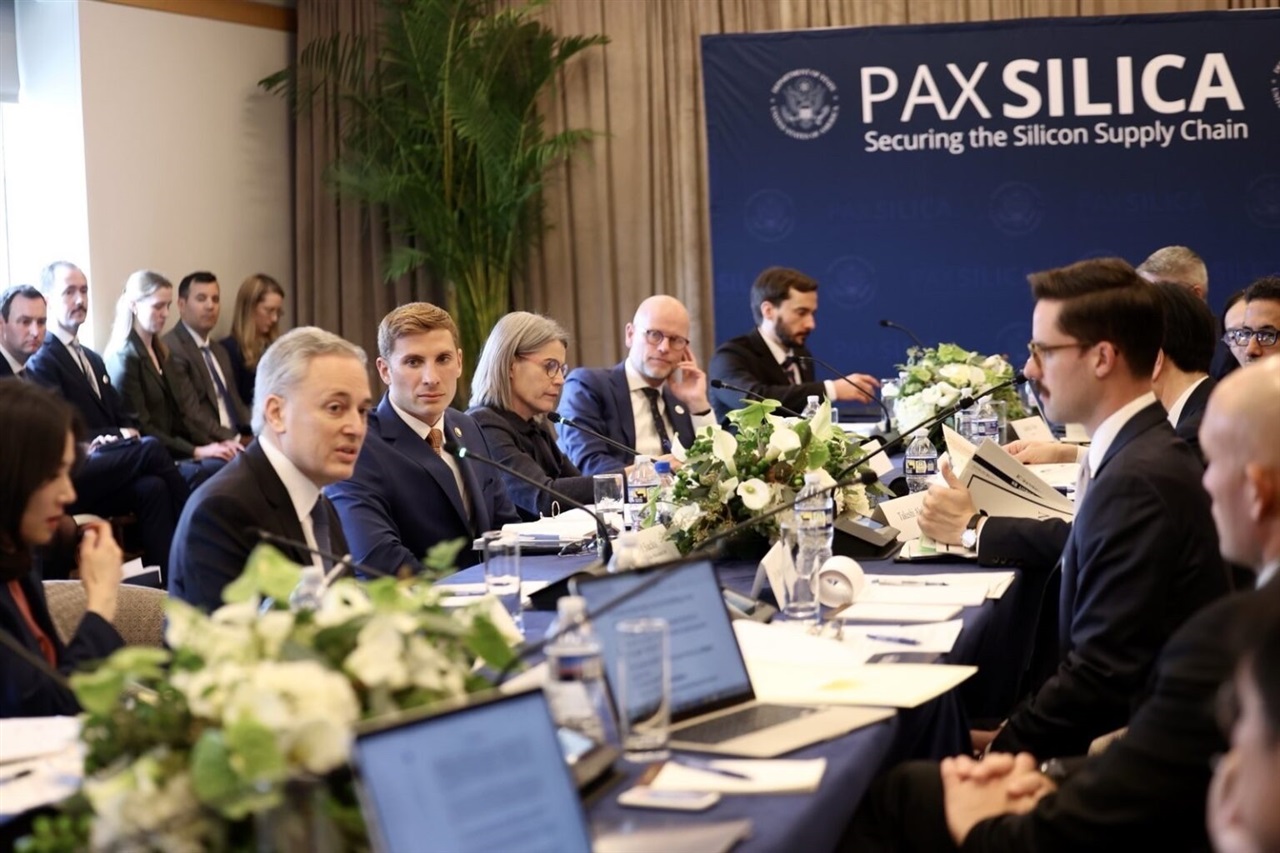
Qatar and the United Arab Emirates are preparing to join a US-led initiative designed to strengthen and protect the global supply chains that power artificial intelligence and semiconductor manufacturing. The move expands a framework that Washington has increasingly positioned as essential to its long-term economic security agenda, as demand for advanced chips and AI infrastructure accelerates worldwide.
By bringing Qatar and the UAE into the fold, the initiative signals a broader push to build a more resilient, coordinated network for sourcing, producing, and distributing critical technologies. Semiconductors sit at the center of everything from data centers and cloud computing to smartphones, vehicles, defense systems, and next-generation AI models. As a result, governments and industry leaders are treating chip access and supply stability as strategic priorities rather than purely commercial concerns.
The partnership is expected to focus on securing dependable supply routes and reinforcing collaboration across key stages of the semiconductor and AI ecosystem. That can include coordination on manufacturing capacity, procurement planning, and standards that help reduce vulnerability to disruptions—whether caused by geopolitical tensions, export restrictions, or bottlenecks in materials and production.
For Qatar and the UAE, joining the framework highlights their expanding role in high-tech investment and global infrastructure, alongside their interest in becoming more influential players in the digital economy. For the United States, adding partners in the Gulf broadens the initiative’s reach and strengthens alignment among countries that want stable access to advanced computing technologies.
With AI adoption spreading rapidly and competition rising for high-performance chips, the stakes around semiconductor supply chains continue to grow. This expanded pact underscores a clear trend: securing the building blocks of AI is increasingly seen as a central piece of national and economic strategy, not just an industry challenge.