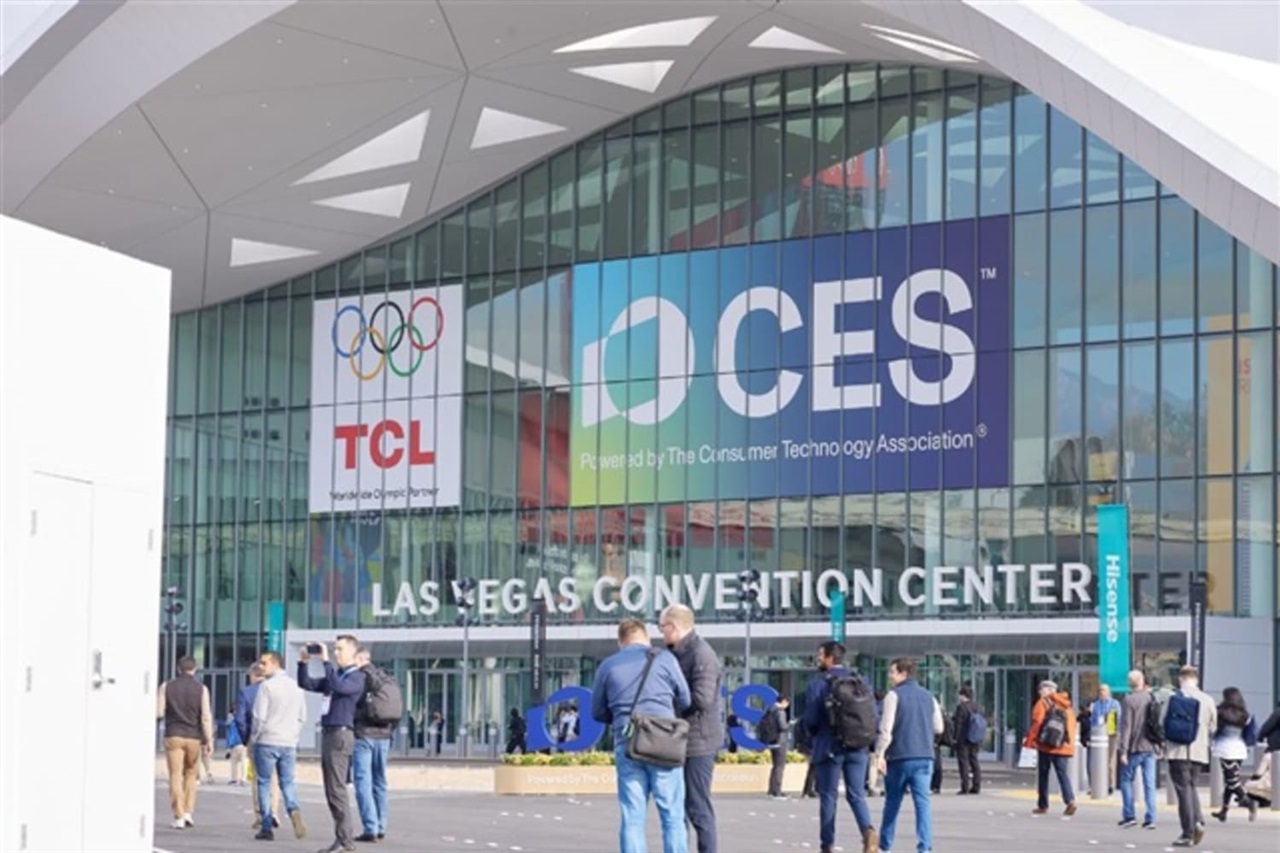
CES returned to Las Vegas this month, and CES 2026 is already sparking a familiar question across the tech world: did the show feel as bold and high-voltage as it used to? The honest answer is that it depends on what you measured and where you spent your time on the show floor.
On paper, the event’s core health looks steady. CES 2026 attendance held consistent with recent years, signaling that the conference still has serious gravitational pull for the tech industry, press, partners, and fans of consumer electronics. Las Vegas once again became the temporary capital of gadgets, prototypes, and big-stage product announcements.
But the vibe of “peak CES” — the kind of energy where every hall feels like a blockbuster reveal — can be harder to find in a single headline number. This year’s story is less about a dramatic surge in crowds and more about how innovation is shifting. Instead of CES being defined by one or two dominating categories, the momentum appears more distributed, showing up in pockets: smaller showcases, more focused demos, and technologies evolving in quieter but more practical ways.
That shift changes how the show feels. If you went expecting wall-to-wall spectacle, the experience may have seemed more measured. If you focused on where companies are placing their bets next — and how products are becoming more refined, more connected, and more usable — CES 2026 looked like a show in transition rather than one losing relevance.
In other words, CES 2026 didn’t necessarily shrink; it recalibrated. The key takeaway from the most telling metrics is that the event remains stable, but the definition of “wow” is moving. The innovation is still there — it’s just showing up differently than it did in the past, and it rewards visitors who know where to look.