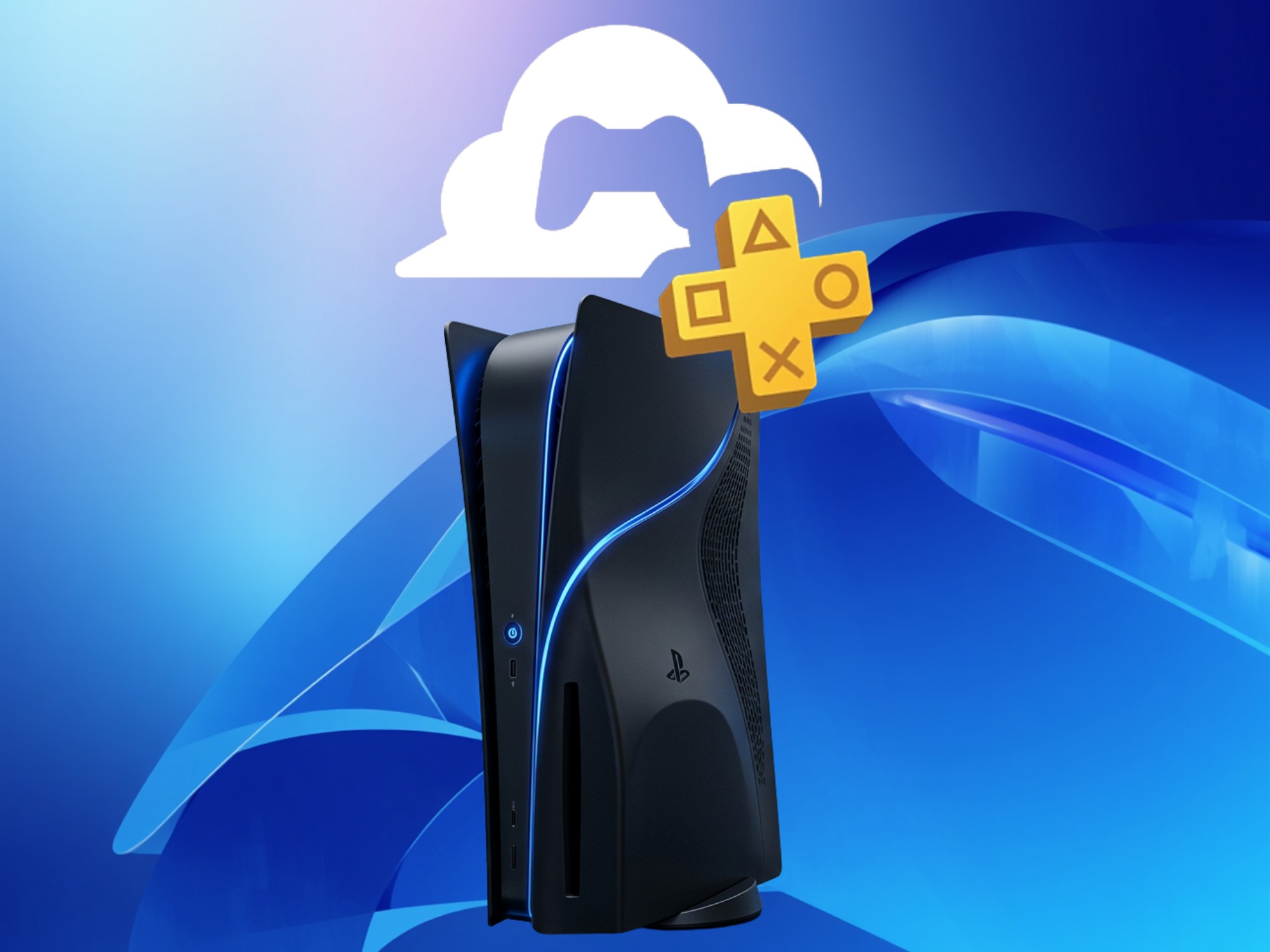
New PS6 leaks are starting to paint a clearer picture of Sony’s next-generation PlayStation plans, and it’s not just about raw power. Alongside faster hardware, the PS6 is increasingly rumored to lean into improved cloud gaming and broader cross-gen support, making the jump from PS5 less painful—especially if pricing rises the way many expect.
A recent report suggests Sony has spent more than three years upgrading the backend technology that powers PlayStation streaming. The goal appears to be smoother performance, faster responsiveness, and less waiting—exactly the kind of improvements needed for cloud gaming to feel like a real alternative to downloading massive games.
Faster SSD speeds could be a major PS6 upgrade
On the local hardware side, the PS6 is rumored to bring a significant storage speed boost by moving to PCIe Gen5 NVMe SSD technology. That would be a notable step up from the PS5’s PCIe Gen4 SSD, which already transformed loading times and download speeds compared to older consoles. If PS6 storage performance really doubles, it could push game load times even lower and help developers build larger, more detailed worlds without relying on long transitions or hidden loading tricks.
The downside is cost. Newer SSD standards, plus ongoing storage and memory supply pressures, could make next-gen hardware more expensive than players are used to. That’s one reason cloud gaming is being discussed more seriously in connection with the PS6 era—streaming can reduce the need for huge local installs and could provide a more affordable way to access high-end experiences.
Cloud gaming could become a bigger part of PlayStation’s future
Sony’s cloud plans already have a foundation through PS Plus Premium, and the PlayStation Portal has proven there’s real demand for portable and remote ways to play. Looking forward, rumors also point to a PS6 handheld that could run PS5 games natively while still supporting cloud gaming and remote play from a home console. If that happens, Sony could offer multiple ways to play the same games—locally on console, streamed through the cloud, or on a handheld—depending on what’s most convenient.
Storage size and game file bloat are also part of the conversation. Even if the PS6 delivers faster speeds, Sony may aim for similar storage capacities to keep the retail price from climbing too high. One leak suggests the PS6 could ship with 1TB of storage, which would match many current expectations but could still feel tight as game sizes continue to grow.
To fight that problem, Sony is reportedly exploring methods to shrink installations, including neural texture compression. The idea is that an AI-capable GPU could compress texture data more aggressively, then reconstruct it during gameplay, reducing file sizes without sacrificing visual quality.
PS5 game support and cross-gen releases look likely
For many players, backward compatibility and cross-gen support are just as important as new specs. New information suggests Sony has been developing assets for both PS5 and PS6, reinforcing the likelihood that PS5 games will be supported and that the transition between generations will be gradual.
That matters if PS6 pricing lands higher than expected. If Sony keeps PS5 in the picture longer, players who don’t upgrade immediately won’t be left behind, while early PS6 adopters won’t be forced to buy an entirely new lineup of games on day one. In other words, the PS6 release window could look more like an extended cross-gen era than a hard reset.
As for what might arrive early in the new generation, one teased project in development is described as an “immersive third-person horror shooter.” No official details have been confirmed, but it hints that Sony may be lining up visually ambitious, atmospheric games designed to showcase the next wave of PlayStation technology.
Between rumored PCIe Gen5 SSD speeds, deeper cloud gaming investment, smarter file compression, and PS5 game support, the PS6 is shaping up to be a console built not only for better performance, but also for flexibility—giving players more ways to play, and more reasons to upgrade when the timing feels right.