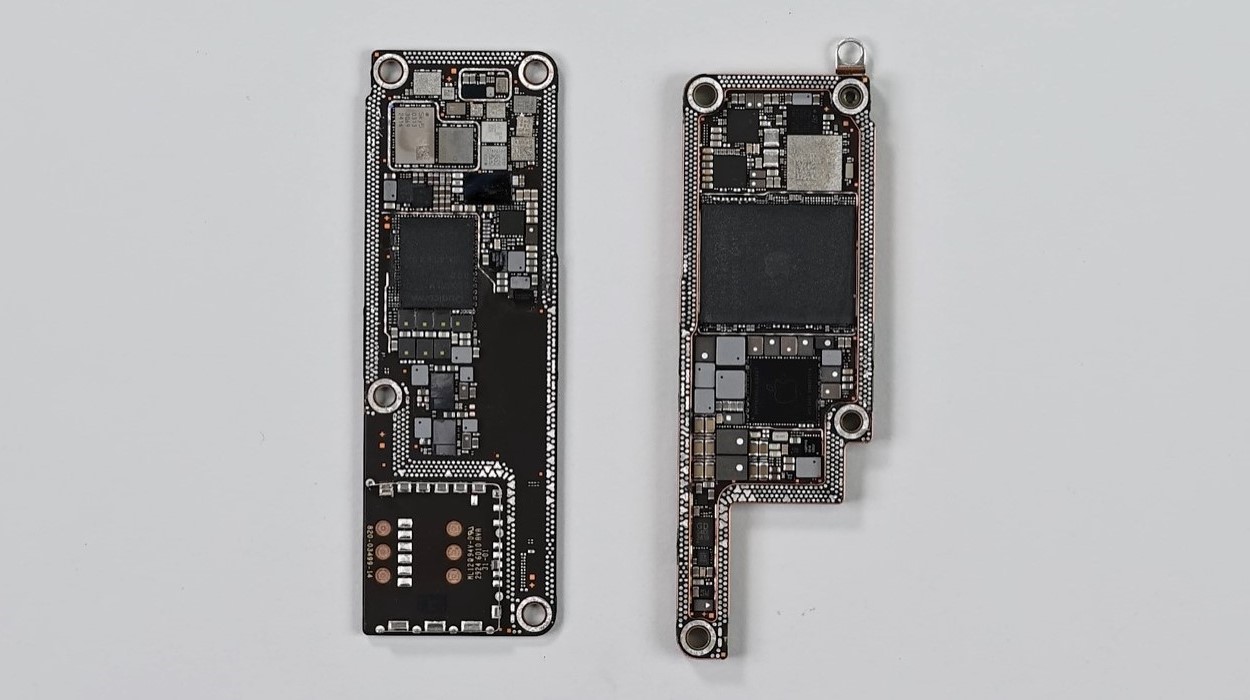
Apple’s partnership with Qualcomm for 5G modems is set to continue until March 2027, despite Apple’s plans to introduce a custom solution in the forthcoming budget-friendly iPhone SE 4. The San Diego-based Qualcomm stands to benefit greatly, especially with the anticipated increase in shipment of the iPhone 16 models due in 2024. This is expected to significantly boost Qualcomm’s earnings, as the iPhone 16 will heavily rely on Qualcomm’s technology.
Qualcomm has positioned itself to thrive, with projected revenue from 5G modem sales for the iPhone 16 expected to reach a staggering $2.52 billion. Every model in the iPhone 16 lineup will utilize the SDX71M 5G modem. Prior to the official launch announcement in September, Apple aimed for a shipment target of 90 million units for the year 2024—a 10% increase compared to the previous iPhone 15 lineup.
Delving deeper into the costs involved, a breakdown from TD Cowen highlighted that producing the iPhone 16 Pro Max is estimated to cost Apple $32 more than its predecessor, the iPhone 15 Pro Max. Specifically, the component labeled “Modem + Transceiver” is priced at $28 per unit. Achieving the target of 90 million units would translate to Qualcomm raking in around $2.52 billion solely from these sales. However, this figure doesn’t paint the entire picture. Qualcomm’s suite of 5G modem patents allows it to collect additional licensing fees from Apple, suggesting that the actual financial gain could be notably higher.
While each Qualcomm 5G modem is approximately valued at $28 for Apple, it’s essential to treat these numbers cautiously, as undisclosed agreements between the two tech giants might influence the real financial outcome. Meanwhile, Apple is progressively working on reducing its reliance on Qualcomm by developing its custom 5G modem. Although expected to maintain user experience, there’s speculation that Apple’s in-house modem may not match Qualcomm’s performance.
As Apple pursues its technological independence, the lucrative partnership with Qualcomm remains, benefiting both parties significantly in the rapidly evolving smartphone market.