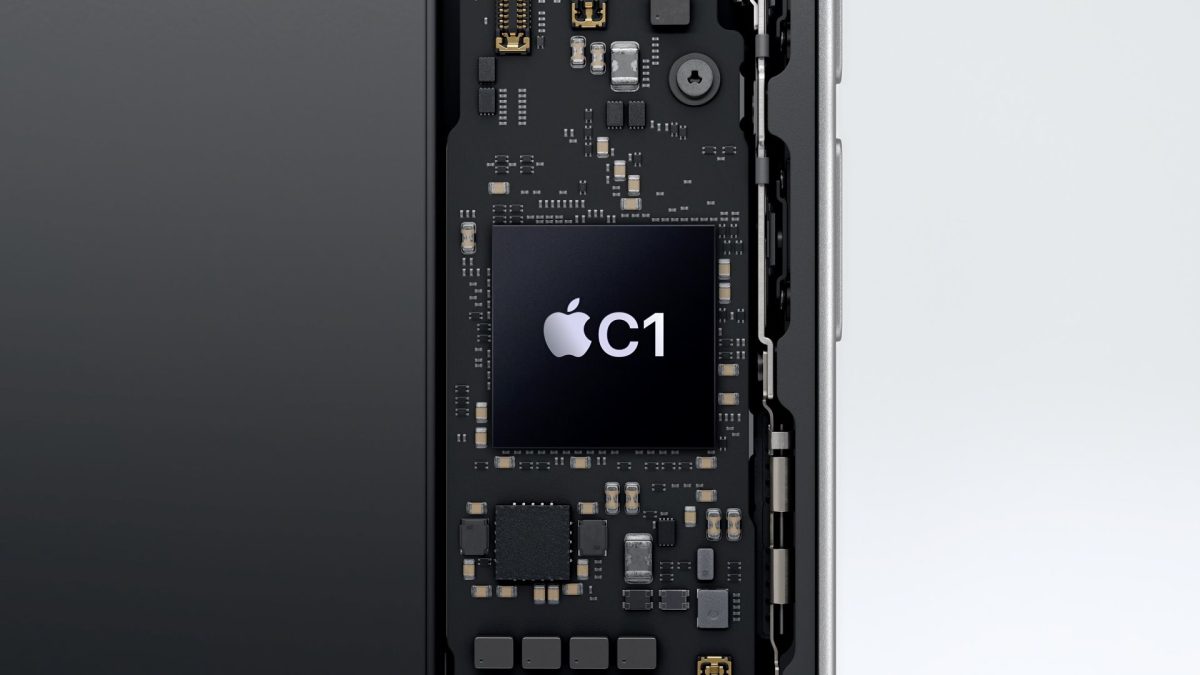
Apple is gearing up for a significant shift as its contract with Qualcomm, set to expire in March 2027, approaches. Despite Apple’s custom C1 chip receiving accolades and outperforming Qualcomm’s modems in real-world tests, Qualcomm is already mapping out its future. The company’s CEO is playing down the impact of the upcoming split, emphasizing alternative growth paths.
While the end of Apple’s reliance on Qualcomm may impact the latter’s earnings—considering the massive number of iPhones sold globally, each equipped with Qualcomm modems—the company is not sitting idle. Apple has introduced the iPhone 16e with its custom C1 modem, signaling a shift towards replacing all Qualcomm modems.
In a recent chat on Yahoo Finance’s Opening Bid podcast, Qualcomm’s CEO expressed confidence about the future. He highlighted the company’s readiness to explore new opportunities beyond the iPhone, dampening any perceived drama around the end of their Apple partnership.
Qualcomm has long been a major supplier for Apple, with annual revenues between $5.7 and $5.9 billion. Currently, about 70 percent of iPhones are expected to feature Qualcomm’s modems, but this figure is projected to drop significantly as Apple continues its transition. By 2027, Apple’s reliance on Qualcomm is expected to phase out completely. Meanwhile, Qualcomm is exploring new ventures in automotive, IoT, and AI-powered server chips to mitigate any potential losses.
As Apple progresses, it’s working on a next-gen C2 modem, promising even better connectivity. This modem is expected to debut in the ultra-thin iPhone 17 Air launching in September. Additionally, Apple is developing MacBooks with its custom modems, though details remain limited.
Qualcomm acknowledges the eventual end of its modem use in Apple products. However, its strategic pivot towards other sectors suggests a proactive approach to maintaining its industry relevance as Apple becomes self-sufficient.