iPhone 18 Pro Leak Suggests Apple May Still Use Qualcomm 5G Modems in Some Models
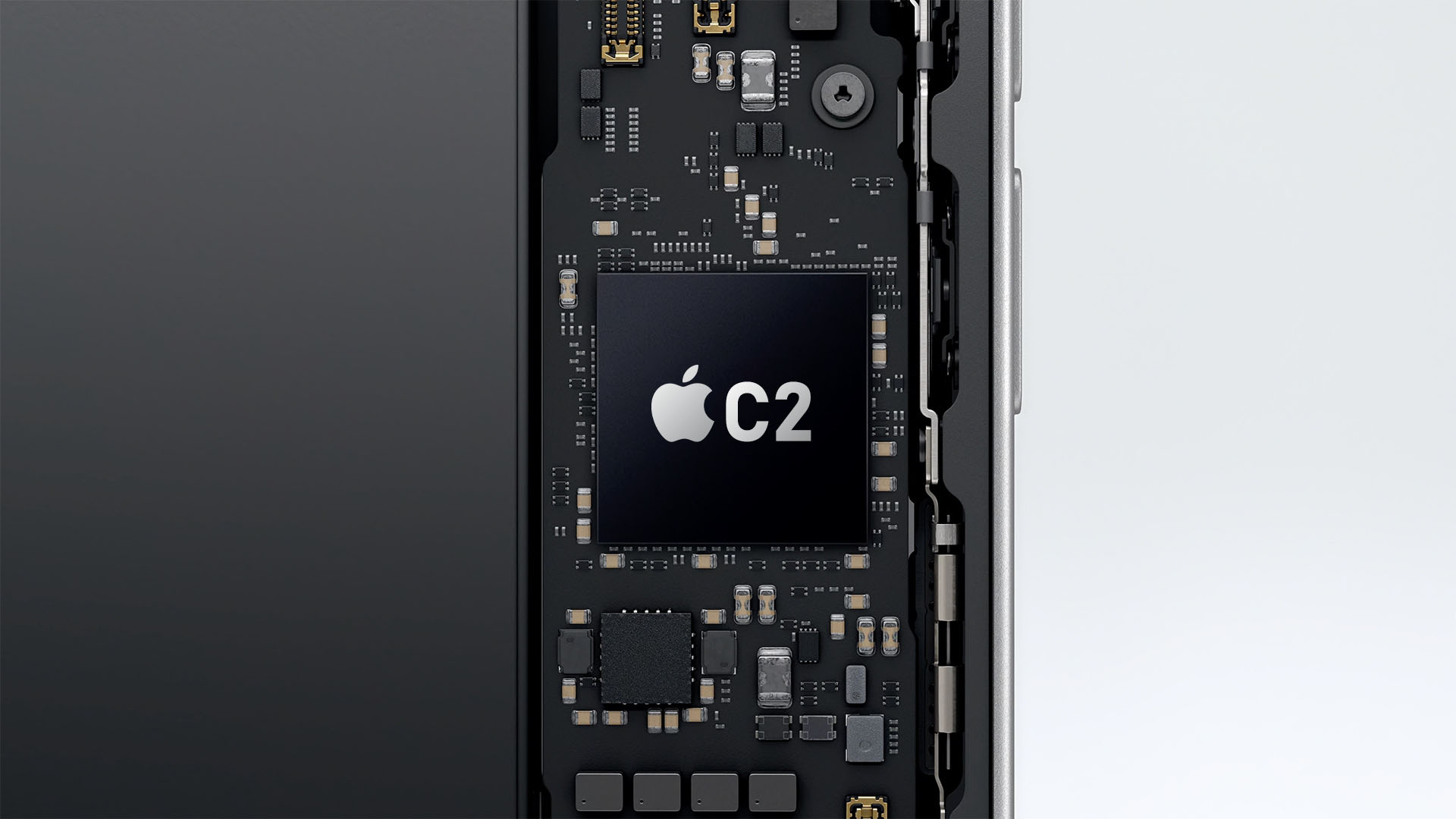
Apple’s long-rumored move away from Qualcomm modems may not happen as quickly as expected. New information allegedly taken from leaked supply-chain files suggests that the iPhone 18 Pro and iPhone 18 Pro Max could still rely on Qualcomm Snapdragon 5G modem hardware in select regions, despite earlier reports claiming Apple’s next premium iPhones would fully transition to its in-house C2 modem.
For months, the iPhone 18 Pro lineup has been expected to mark a major milestone for Apple’s custom silicon strategy. After years of development, Apple was believed to be preparing its own C2 baseband chip for the entire flagship range, reducing its dependence on Qualcomm. However, the latest leak points to a more cautious rollout, with Apple potentially using different modem configurations depending on the market.
According to the leaked component details, iPhone 18 Pro models equipped with Apple’s C2 modem may be intended for regions where mmWave 5G is not supported or not widely used. Meanwhile, versions sold in the United States could continue to use Qualcomm Snapdragon 5G modem components, likely because mmWave remains an important part of U.S. carrier networks.
Several Qualcomm-related part identifiers reportedly appear in the leaked data, including references to an SDX80M baseband and other supporting radio-frequency and power-management components. If accurate, this suggests that Apple may not be ready to completely replace Qualcomm in every iPhone 18 Pro model, especially in markets with more demanding 5G requirements.
The leak also points to Apple continuing with its N1 wireless networking chip in the iPhone 18 Pro series. The N1 chip, introduced previously for wireless connectivity, appears to remain part of Apple’s strategy for Wi-Fi, Bluetooth, and related networking features. That means the iPhone 18 Pro may not debut a newer N2 wireless chip, at least based on the current information.
Camera upgrades could also be part of the iPhone 18 Pro story. The leaked data reportedly shows a sensor ID change from 0x903 to 0x905, along with an increase in sensor configurations from 21 to 24. This may indicate that Apple is preparing to use Sony’s IMX905 sensor, which could bring meaningful image-quality improvements over the iPhone 17 Pro.
One of the most interesting rumored camera changes is the addition of a variable aperture system. If Apple brings this feature to the iPhone 18 Pro, users could gain better control over depth of field and low-light performance. A variable aperture could help the camera adapt more intelligently to different lighting conditions, improving portraits, night shots, and everyday photography.
The iPhone 18 Pro is also expected to introduce Apple’s A20 Pro chip, which is rumored to be the company’s first processor built on a 2nm process. A move to 2nm manufacturing would likely improve power efficiency and performance, helping Apple push its flagship iPhones further in speed, battery life, and AI capabilities.
The A20 Pro may also use a new WMCM, or Wafer-Level Multi-Chip Module, packaging design. This would replace the older InFO_PoP packaging Apple has used in previous chips. The new packaging method could improve bandwidth, reduce latency, and help with thermal management. In real-world use, that could mean faster performance, smoother multitasking, better gaming stability, and stronger sustained performance during demanding tasks.
Another important detail is the possibility of improved cooling. The A20 Pro could reportedly make direct contact with the vapor chamber system, allowing heat to transfer more efficiently away from the chip. If true, this would help the iPhone 18 Pro maintain peak performance for longer periods, especially during gaming, video recording, and on-device AI processing.
Apple is also rumored to be expanding the Neural Engine inside the A20 Pro. A larger and more capable Neural Engine would support faster on-device artificial intelligence features, including image processing, voice recognition, generative AI tools, and privacy-focused machine learning tasks that do not need to rely heavily on cloud servers.
Still, the biggest surprise from this leak is the continued appearance of Qualcomm modem hardware. Apple has been working for years to bring more of the iPhone’s core components in-house, and replacing Qualcomm’s 5G modem technology has been one of its most challenging goals. The latest information suggests Apple may take a phased approach rather than making a complete switch in one generation.
It is also important to treat this leak carefully. The details may come from supplier-side engineering files rather than final production plans. Component listings can change before mass production, and not every engineering configuration makes it into commercial iPhone models. Apple may still adjust its modem strategy before the iPhone 18 Pro and iPhone 18 Pro Max are officially released.
For now, the iPhone 18 Pro lineup is shaping up to be a major upgrade, even if Apple continues to use Qualcomm modems in some versions. Between the rumored A20 Pro chip, 2nm process technology, improved thermal design, possible Sony camera sensor upgrade, variable aperture system, and ongoing development of Apple’s own C2 modem, the iPhone 18 Pro could become one of Apple’s most technically ambitious smartphones yet.
If the latest leak proves accurate, Apple’s modem transition may be more complicated than expected, but the company’s broader goal remains clear: more custom hardware, deeper integration, and better control over the iPhone experience.