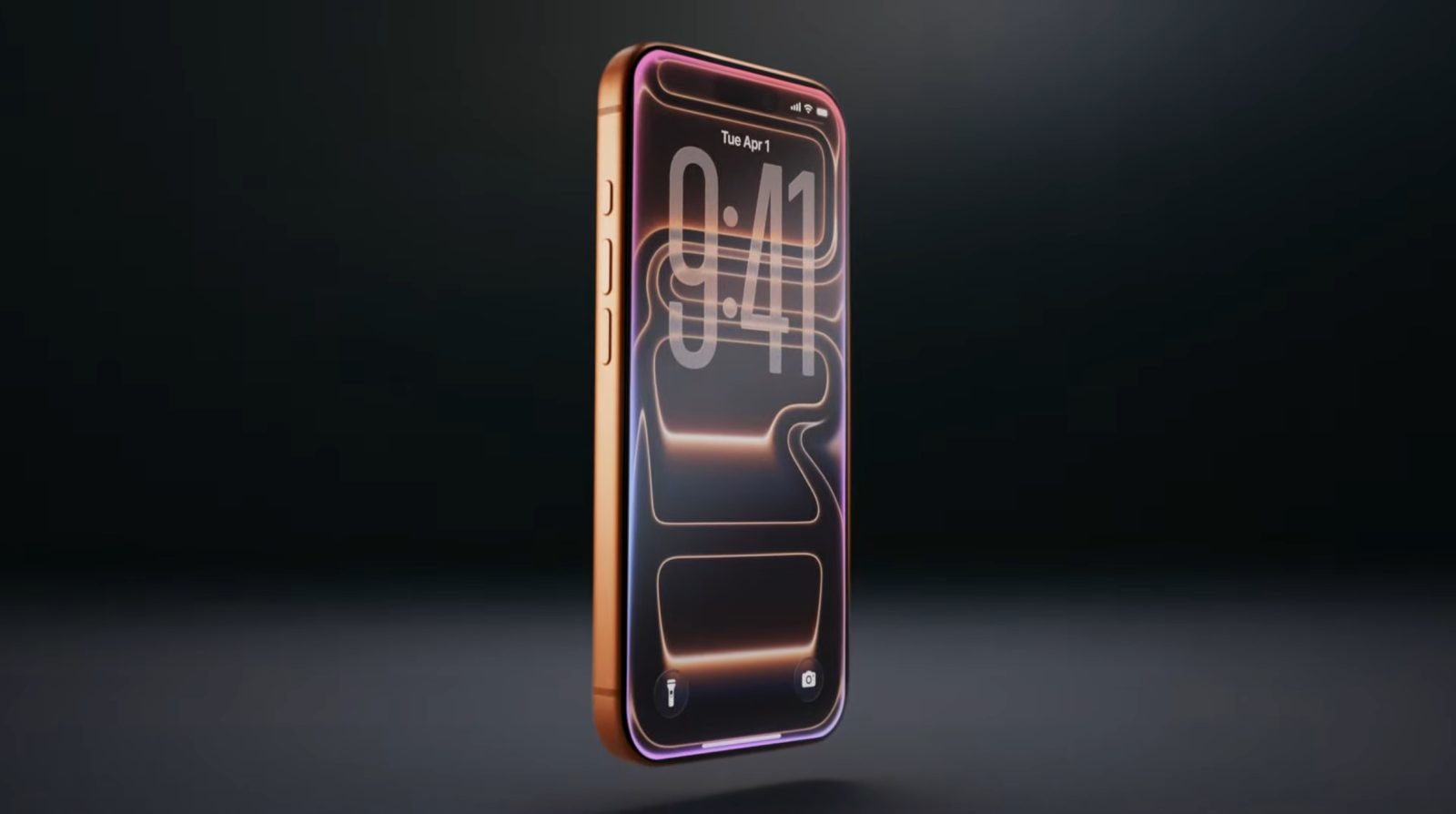
iPhone 17 keeps mmWave 5G a U.S. exclusive while global models stick to sub‑6GHz
Apple’s new iPhone 17 lineup arrives with eye-catching upgrades, but one decision is unchanged: only the iPhone 17 and iPhone 17 Pro models sold in the United States include mmWave 5G. Buyers in other regions will continue to rely on sub‑6GHz 5G, which offers wider coverage but lower peak speeds than mmWave.
This U.S.-only approach isn’t new. Since 5G debuted on the iPhone 12, Apple has kept mmWave support stateside. That stance continues even as mmWave trials and deployments expand in countries like Australia, China, South Korea, Japan, and parts of Europe. For now, international versions of the iPhone 17 family won’t tap into those ultra‑high‑frequency bands.
Apple’s rationale comes down to cost and practicality. Adding mmWave requires extra antennas and complex radio components, which raise device costs. On the network side, carriers must invest heavily to build dense mmWave infrastructure, and adoption outside the U.S. remains comparatively limited. The technology excels in crowded, bandwidth‑hungry environments—think stadiums, airports, and large event venues—where short‑range, high‑capacity cells can shine. But mmWave’s limited range and poor obstacle penetration make it less effective across suburban neighborhoods and rural areas, where sub‑6GHz signals deliver more consistent coverage.
That strategic line is even clearer across Apple’s broader lineup. The latest M4 iPad Pro has dropped mmWave entirely, sticking to sub‑6GHz 5G. The newly introduced iPhone 17 Air, powered by Apple’s custom C1X modem, also omits mmWave connectivity.
What does this mean for buyers? In the United States, iPhone 17 and iPhone 17 Pro owners can expect blazing 5G speeds where mmWave is available, with sub‑6GHz handling everyday coverage elsewhere. International users will see the dependable reach of sub‑6GHz 5G without the occasional mmWave bursts—but also without the trade‑offs that come with building and maintaining mmWave networks that are still maturing in many markets. As always, actual speeds will vary by carrier, plan, and local infrastructure, so checking regional 5G coverage remains essential.
Unless global infrastructure and carrier deployment shift significantly, mmWave support is likely to remain a U.S. advantage for the iPhone 17 generation. We’ll share more updates as carriers expand coverage and Apple refines its connectivity roadmap.