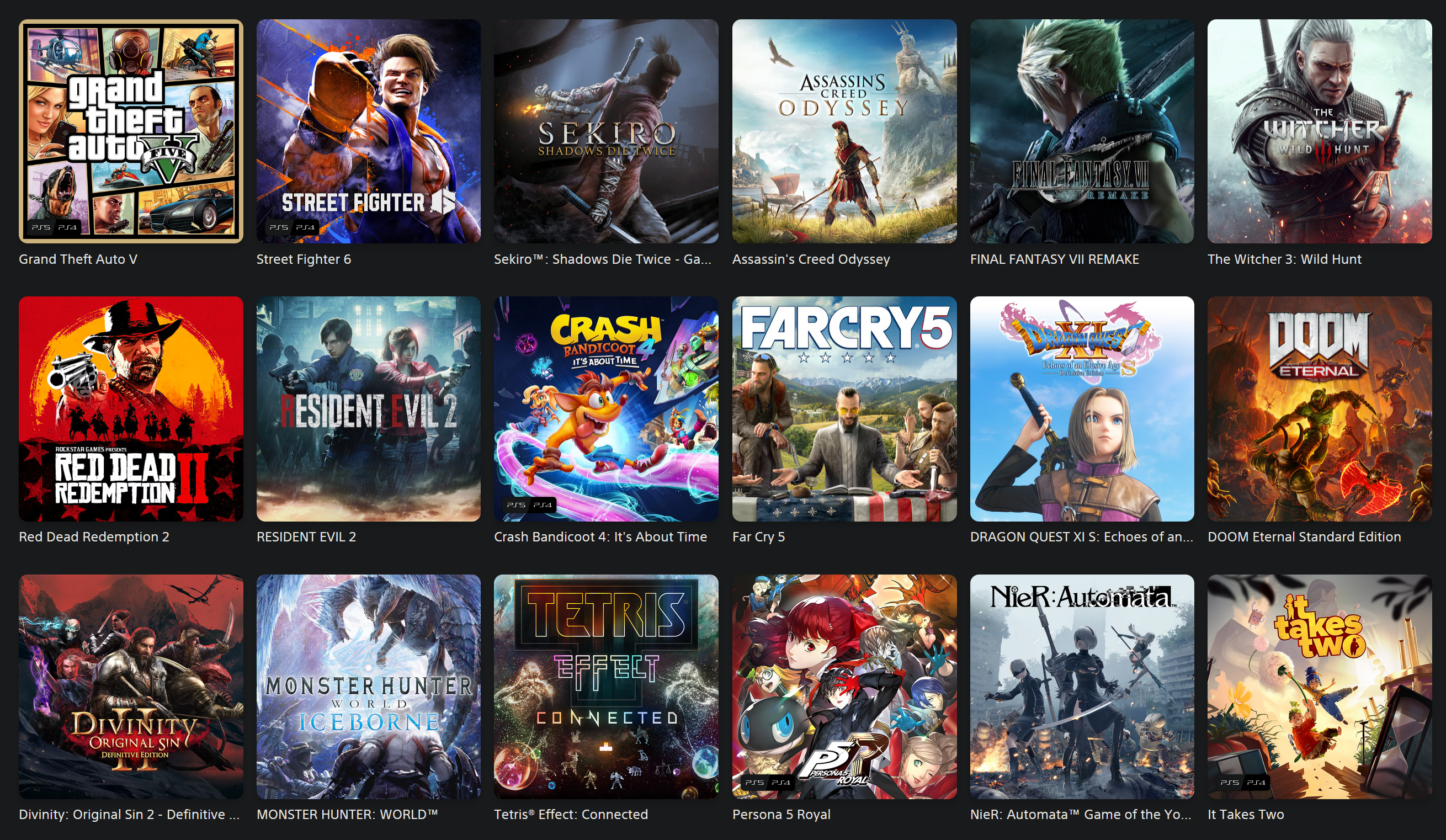
A recent PlayStation update appears to introduce a more restrictive form of DRM for certain digital games, and while many players may never notice the change, it could be a major headache for anyone who doesn’t have reliable internet access. If you live in a remote area, travel often, deal with outages, or simply keep a console offline by choice, this kind of always-online leaning requirement can quickly turn a purchased game into something you can’t reliably use.
The bigger concern isn’t just today’s connectivity problems, but tomorrow’s server reality. Digital game access is increasingly tied to PlayStation Network checks, licensing validation, and account authentication. That creates a long-term risk: when PS4 and PS5 services eventually become less profitable to maintain, Sony could decide to scale them back or shut them down. If access to your library depends on servers that no longer exist, owners could be left with games they paid for but can’t launch, download, or verify.
From Sony’s perspective, the motivation is easy to understand. Stricter DRM can limit situations where a single purchased copy is effectively duplicated across multiple consoles. Without tighter online verification, bad actors could potentially install games on numerous systems, take those consoles offline, and allow ongoing access to what is essentially the same license indefinitely. More aggressive checks also complicate parts of the jailbreaking and modding scene, which often benefits from offline environments where vulnerabilities can be researched and exploited.
Still, for ordinary players, the trade-off is clear: stronger control for publishers often comes at the cost of consumer flexibility and long-term ownership. That’s why initiatives like Stop Killing Games have been gaining attention, pushing for clearer rights and protections so that “buying” a game doesn’t quietly become “renting access until further notice.”
This update also highlights why physical games continue to matter, even as disc releases become less common. A disc can offer a level of resilience when licensing systems change, accounts get flagged, or online services decline. Of course, physical media isn’t a perfect solution anymore either. Many modern releases ship with enormous day-one patches, and some discs don’t even contain the complete game. But compared to digital-only titles that may depend on ongoing server validation, physical copies can still provide a more dependable fallback.
In the long run, changes like this reinforce a growing worry across console gaming: digital convenience is great, but it comes with conditions. For players who care about preserving access, playing offline, or keeping a library functional years from now, DRM-heavy updates are another reminder that true ownership in modern gaming is increasingly difficult to guarantee.