NASA has just notched a major win for Mars navigation: the Perseverance rover can now pinpoint its own position far more accurately without waiting for help from Earth. The breakthrough comes from a new capability called Mars Global Localization, which lets the rover identify where it is by comparing what it sees on the ground with what orbiters have already mapped from above.
Perseverance has been roaming the Red Planet since 2021, and like any long-distance traveler, it needs to constantly track where it’s been to know where it is. As it drives, the rover takes images of the terrain every few feet while factoring in things like wheel slip. But even with careful tracking, tiny errors add up over time. On longer drives, those accumulated inaccuracies can grow large enough that Perseverance may think it’s approaching hazardous terrain when it isn’t. When that happens, the rover plays it safe: it stops and waits for instructions from mission controllers on Earth—a delay that can easily take a full day or more.
Mars Global Localization is designed to remove that bottleneck. Instead of pausing the mission for confirmation from Earth, Perseverance can verify its exact location on its own and keep moving along its planned route.
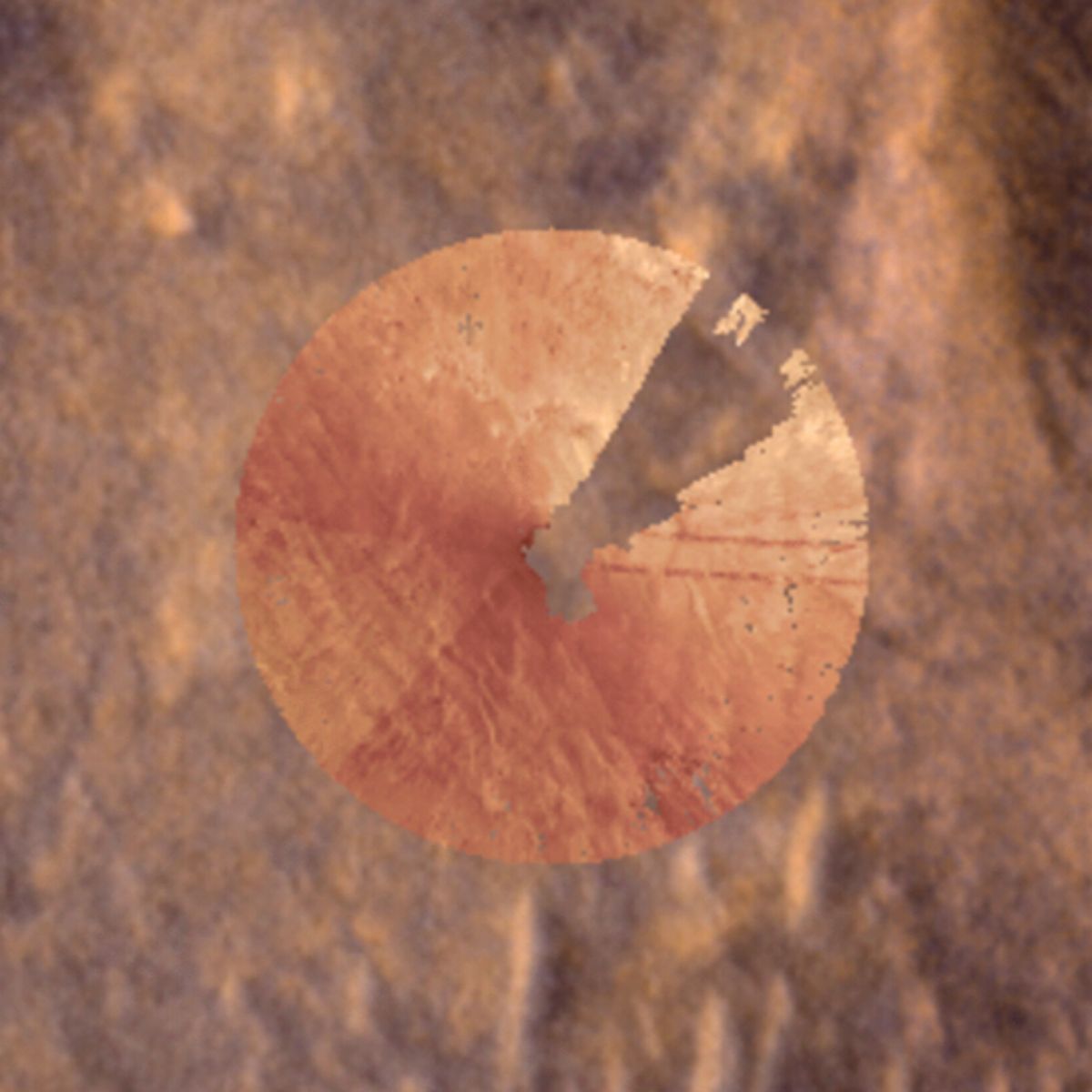
The team achieved the first successful use of this new approach on February 2 at a site nicknamed “Mala Mala,” a relatively featureless area along the rim of Jezero Crater. Perseverance used its navigation cameras to capture a complete 360-degree view of the landscape. Those images were stitched together into a single overhead circular view known as an orthomosaic. Then an onboard algorithm compared that orthomosaic to orbital imagery collected by NASA’s Mars Reconnaissance Orbiter, effectively matching ground-level visual clues to the planet-scale map created from space.
The results were impressive: Perseverance was able to determine its position to within about 10 inches. Even better, the entire process took roughly two minutes—dramatically faster than waiting for a human-guided update from Earth.
Another clever part of the upgrade is where the computing power comes from. The localization algorithm runs on a processor Perseverance previously used to communicate with the Ingenuity Mars Helicopter, which has now been retired. By reusing existing onboard hardware, the rover gains a powerful new navigation skill without requiring new equipment.
For Mars exploration, this is the kind of improvement that can quietly change everything. Faster, more accurate self-localization means fewer unnecessary stops, smoother long routes, and more time spent doing what Perseverance is on Mars to do: explore, analyze, and uncover the history of Jezero Crater with less downtime and more confidence in every drive.