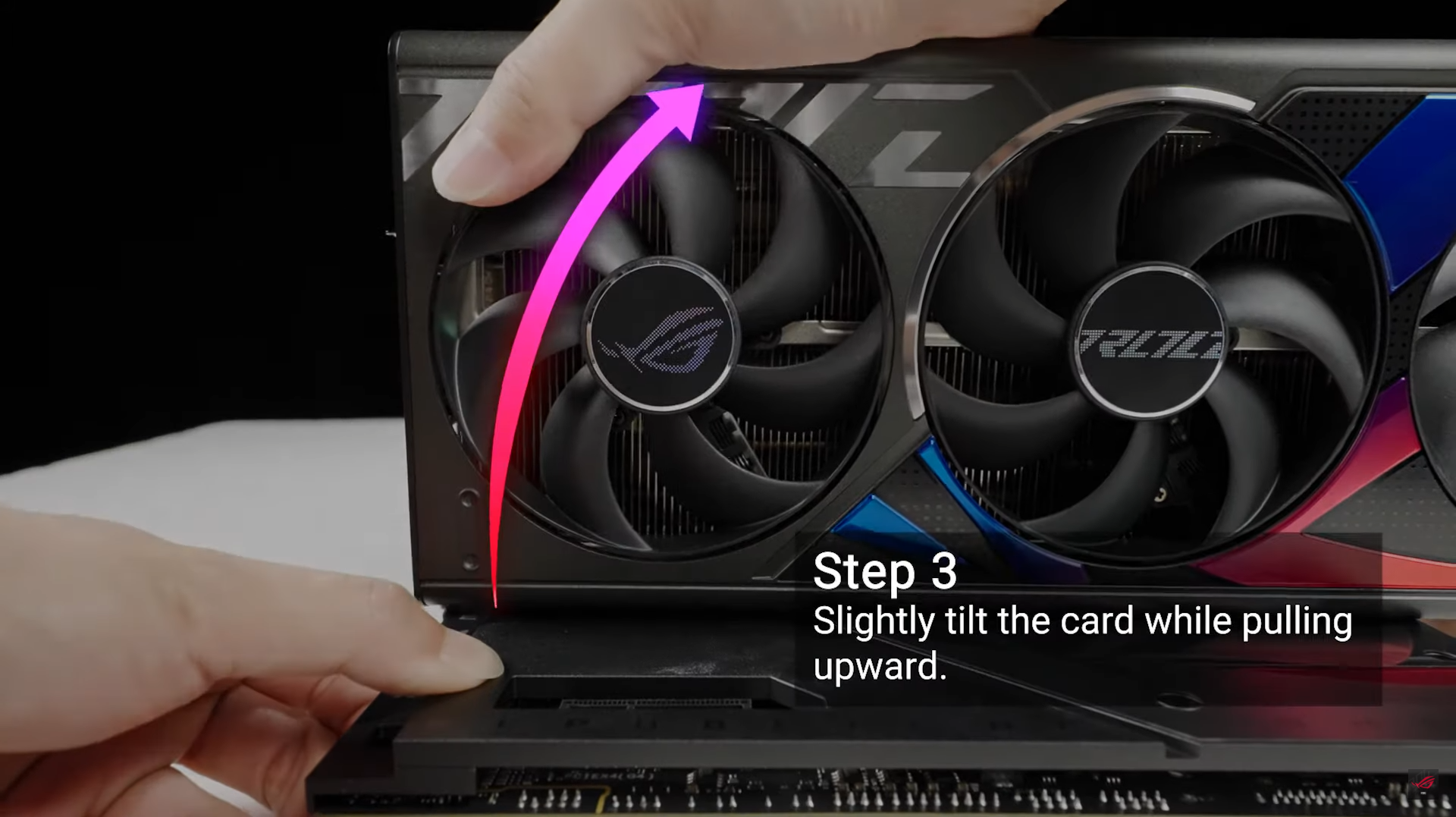
ASUS has recently addressed concerns surrounding reports of GPUs allegedly being damaged by its Q-Release PCIe mechanism on 800-series motherboards. In a response to multiple claims, ASUS has assured customers that their internal tests show the Q-Release mechanism is unlikely to cause damage, although it may result in minor scratches or wear over time.
After thorough analysis, ASUS stated that the Q-Release performs similarly to traditional PCIe slots. The design aims to simplify the removal of graphics cards without needing tools, potentially reducing accidental damage. ASUS emphasized that signs of wear can be typical with any PCIe card interface and typically manifest after continuous use, such as after 60 insertions and removals. They recommend adhering to their removal guidelines to minimize any risk of wear or scratching.
For users of ASUS motherboards with the PCIe Q-Release Slim design, ASUS advises vigilance in following the official guidelines for card removal. They assert that minimal force is required and excessive pressure should be avoided to prevent potential damage. ASUS has committed to supporting its customers and encourages those experiencing specific issues to reach out to customer service, promising to take responsibility for any “specific” concerns.
There have been contrasting reports from users who have noticed significant damage to their GPUs when using ASUS’s system. While ASUS’s internal trials showed no functional damage to the motherboards or graphics cards, external tests reported visible wear when improper methods were used up to 60 times. These distinctions have led to ambiguity over whether these issues stem from user error or if there’s a potential flaw in the Q-Release design itself.
Currently, ASUS is acknowledging responsibility for specific abnormalities but has not clarified whether this includes significant GPU damage. This leaves room for further scrutiny and possibly independent investigations to elucidate the underlying cause of these anomalies.
In summary, while ASUS reassures users of the reliability and safety of their Q-Release mechanism, the mixed reports continue to stir debates. The company stands ready to assist users facing issues, highlighting the importance of adhering to manufacturer guidelines to ensure optimal product longevity and performance.