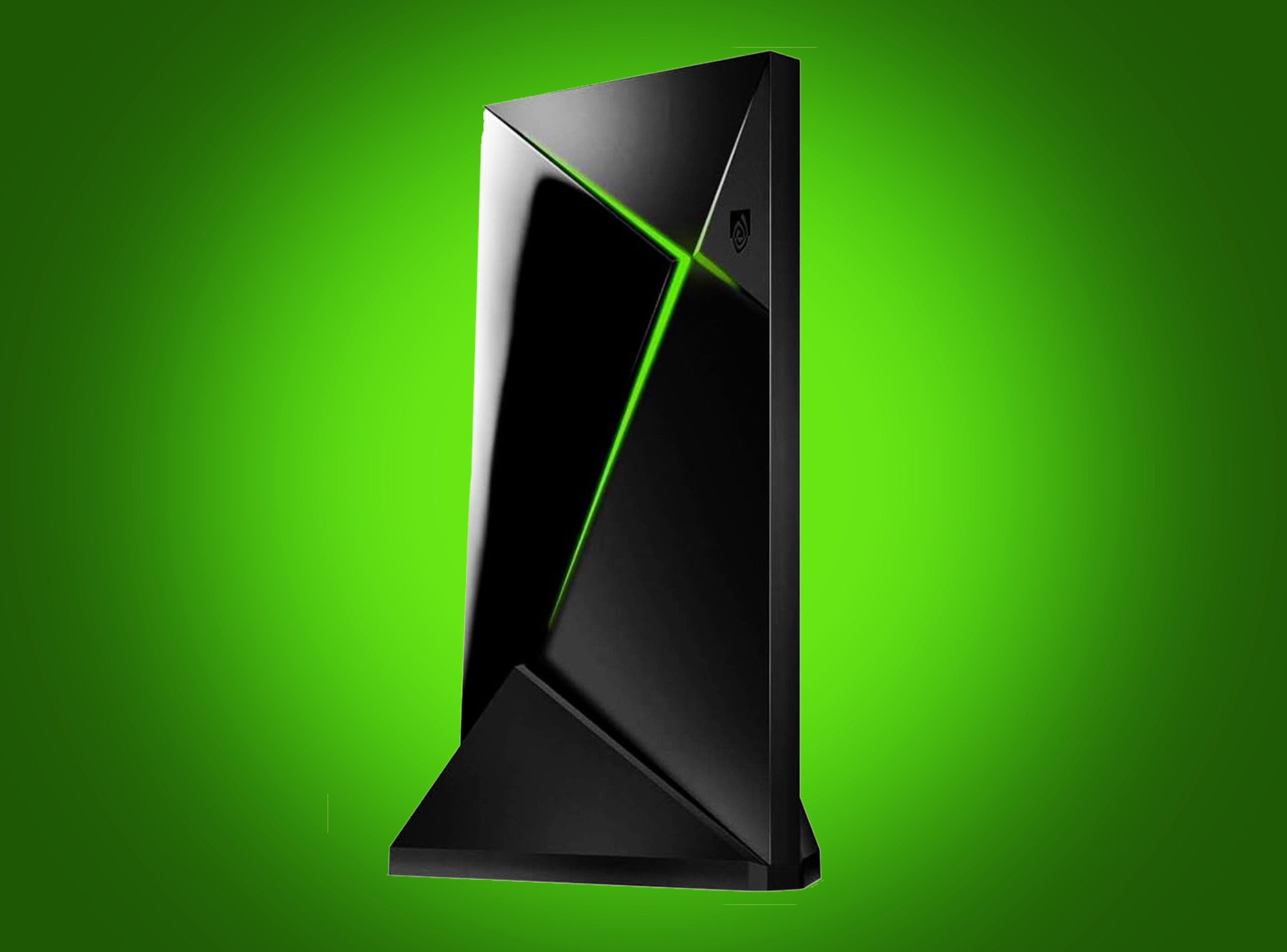
The Nvidia Shield TV may be more than a decade old, but its sleek design still feels surprisingly current. First released in 2015, Nvidia’s popular Android TV streaming box has built a loyal following thanks to long-term software updates and reliable performance. The most recent hardware refresh arrived in 2019, and ever since then, fans have been asking the same question: when will Nvidia release a true next-generation Shield TV?
The current Shield TV lineup is powered by Nvidia’s Tegra X1 family of chips. The original 2015 model used the Tegra X1, a processor often compared to the hardware inside the first-generation Nintendo Switch. In 2019, Nvidia introduced the Shield TV Pro with the improved Tegra X1+ processor. That update brought several meaningful upgrades, including Dolby Vision support, AI-powered upscaling for sharper video, Bluetooth 5.0, and a redesigned remote control.
Now, new comments from Nvidia suggest the Shield TV isn’t going anywhere—and that a future hardware upgrade may already be in the works behind the scenes.
In an interview, Nvidia Senior Vice President of Hardware Engineering Andrew Bell addressed the future of the Shield TV platform. He explained that Shield TV sales have remained stable, which means Nvidia has no plans to end production or stop supporting the device through software updates. For current owners, that’s important reassurance: the Shield TV remains a supported product, not a forgotten streaming box.
More interestingly, Bell hinted that Nvidia appears to be testing new Shield TV hardware internally. While he didn’t confirm a release date or officially announce a Shield TV 2, the suggestion that next-generation hardware is being explored will likely spark excitement among users waiting for a modern upgrade.
Bell also shared clues about what Nvidia would prioritize in a new model. A major focus would be better support for today’s HDR and video formats. That includes VP9 support, which could allow YouTube videos to play in HDR—something many viewers want as HDR content becomes more common on the platform. He also mentioned improved compatibility with HDR10+ and AV1, two technologies increasingly important for modern streaming. AV1 in particular has become a key codec for efficient high-quality streaming, and broader device support is a growing expectation for premium streaming hardware.
And yes, Nvidia has heard the remote-control complaints too. Bell specifically called out the oversized Netflix button on the Shield TV remote, saying he’d like to make it smaller. However, he stopped short of suggesting it would disappear entirely, since prominent app buttons are often tied to commercial placement deals.
For now, Nvidia isn’t promising a launch window, but the message is clear: the Shield TV platform remains a priority, software support will continue, and internal testing points to the possibility of a next-generation Shield TV with updated HDR support and modern codec compatibility. For streaming enthusiasts looking for one of the best Android TV boxes, the next Shield TV could be designed to catch up with the streaming standards that have evolved since 2019.