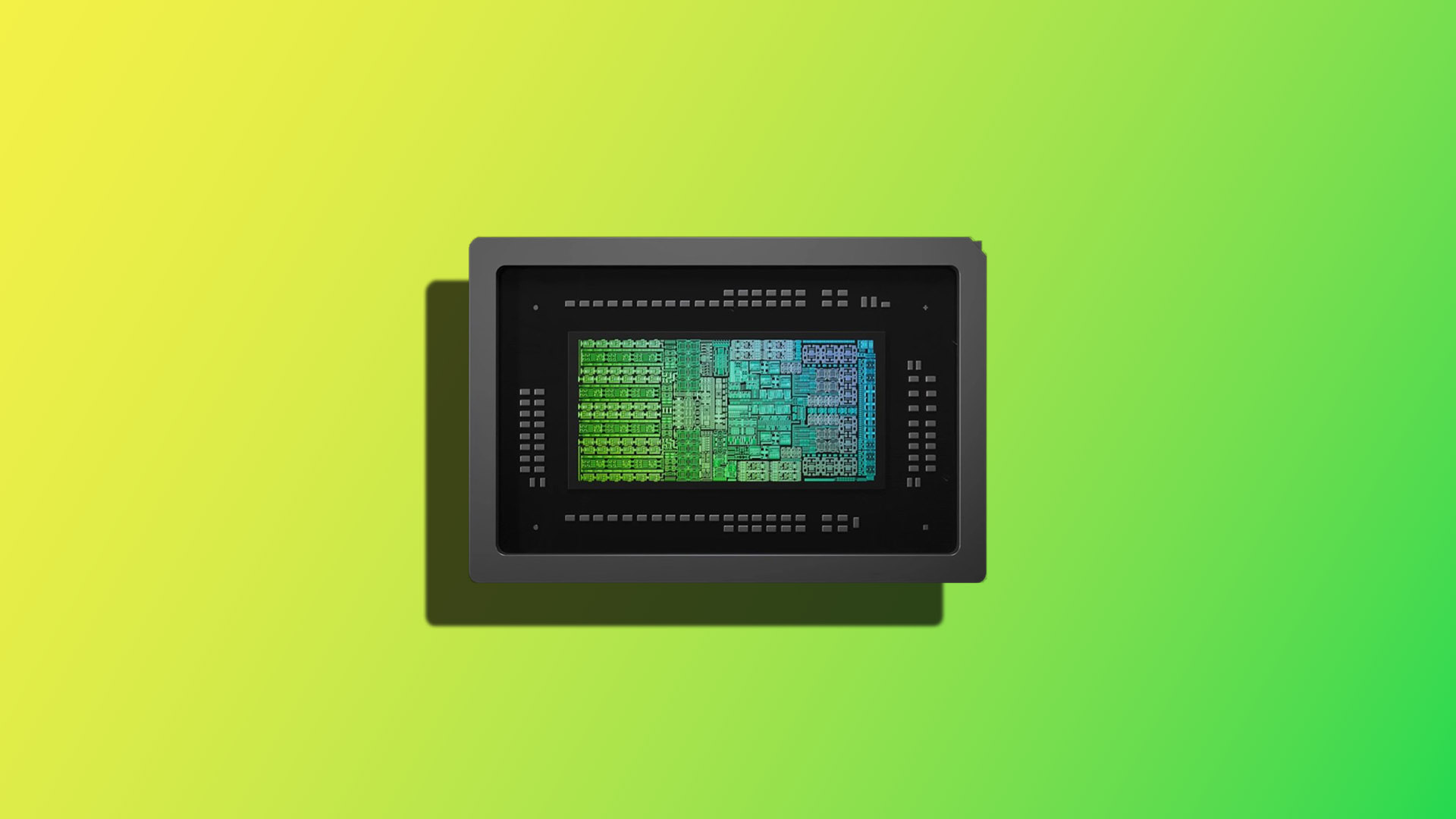
NVIDIA RTX Spark Takes Center Stage at GTC Taipei With a MediaTek-Inspired Arm CPU Design
NVIDIA’s new RTX Spark processor has become one of the biggest talking points at GTC Taipei, and for good reason. The chip represents a major push into high-performance Arm-based computing, bringing together NVIDIA, Arm, MediaTek, Microsoft, and several hardware partners in a collaboration that could reshape the Windows PC and AI workstation market.
With RTX Spark, NVIDIA is clearly aiming beyond traditional graphics. The platform combines a powerful Grace CPU with a Blackwell RTX GPU, unified memory, and full support for NVIDIA’s software ecosystem. It is designed to compete in a space currently influenced by Intel, AMD, and Qualcomm, especially as demand grows for AI-ready PCs and efficient Arm-based systems.
The RTX Spark platform is built on TSMC’s 3nm process technology and features a 20-core Grace CPU. It also includes a Blackwell RTX GPU with 6,144 CUDA cores, capable of delivering up to 1 PFLOP of FP4 AI performance. NVIDIA is pairing this with up to 128GB of LPDDR5X unified memory, giving the CPU and GPU access to a large shared memory pool. The chip also offers around 600 GB/s of NVLink-C2C bandwidth between the CPU and GPU.
On the software side, RTX Spark supports NVIDIA’s complete stack, including CUDA, TensorRT, DLSS, Reflex, G-SYNC, and RTX ray tracing. That gives the platform a strong advantage for developers, creators, gamers, and AI workloads, especially when compared with systems that lack mature acceleration software.
However, the most interesting part of RTX Spark may not be the GPU. It is the CPU design that is drawing attention.
NVIDIA says the Grace CPU inside RTX Spark was developed in collaboration with MediaTek. Looking closer at the architecture, the design appears to take strong inspiration from MediaTek’s existing mobile chip strategy, particularly the Dimensity 9400 and Dimensity 8500.
The RTX Spark CPU reportedly uses 10 Cortex-X925 cores and 10 Cortex-A725 cores, creating a 20-core Arm configuration. That layout is notable because the Dimensity 9400 uses the Cortex-X925 as its prime performance core, while the Dimensity 8500 uses Cortex-A725 cores in its CPU design. In RTX Spark, NVIDIA appears to scale up those ideas significantly by using 10 Cortex-X925 cores alongside 10 Cortex-A725 cores.
This makes RTX Spark especially interesting because its foundation seems connected to mobile processor architecture, even though NVIDIA is positioning it for much more demanding AI, creative, and PC workloads. Instead of following a conventional desktop CPU approach, NVIDIA appears to be leaning into the efficiency and scalability that Arm mobile designs are known for, then combining that with its own high-end GPU and AI acceleration technology.
That does not reduce the importance of RTX Spark. If anything, it shows how much the computing industry is changing. Mobile chip architecture is no longer limited to smartphones and tablets. With the right memory system, GPU, and software support, Arm-based designs can be scaled into powerful platforms for PCs, AI development, and professional workstations.
NVIDIA’s strategy also highlights why MediaTek’s involvement matters. MediaTek has built competitive Arm-based mobile processors in recent years, and NVIDIA is using that expertise to help create a chip that could challenge established PC processor makers. Combined with Microsoft’s Windows on Arm efforts, RTX Spark could become a serious step toward broader adoption of Arm-based AI PCs.
Still, the CPU configuration raises an interesting question: is RTX Spark a truly fresh design, or is it NVIDIA’s high-performance reinterpretation of proven mobile CPU concepts? Based on the reported core layout, it looks like a mix of both. NVIDIA is not simply building a mobile chip. It is taking efficient Arm CPU ideas, expanding them, and pairing them with one of the most advanced GPU architectures available.
The result is a platform that could attract developers, AI researchers, content creators, and performance-focused PC users who want strong GPU compute, large unified memory, and native access to NVIDIA’s software ecosystem.
RTX Spark may be built with inspiration from mobile chips, but its ambition is much larger. With a 20-core Arm CPU, Blackwell RTX graphics, 3nm manufacturing, and powerful AI capabilities, NVIDIA is making it clear that it wants a major role in the next generation of Windows PCs and AI computing platforms.