NVIDIA Vera CPUs Gain Momentum in China as AI Data Center Demand Rises
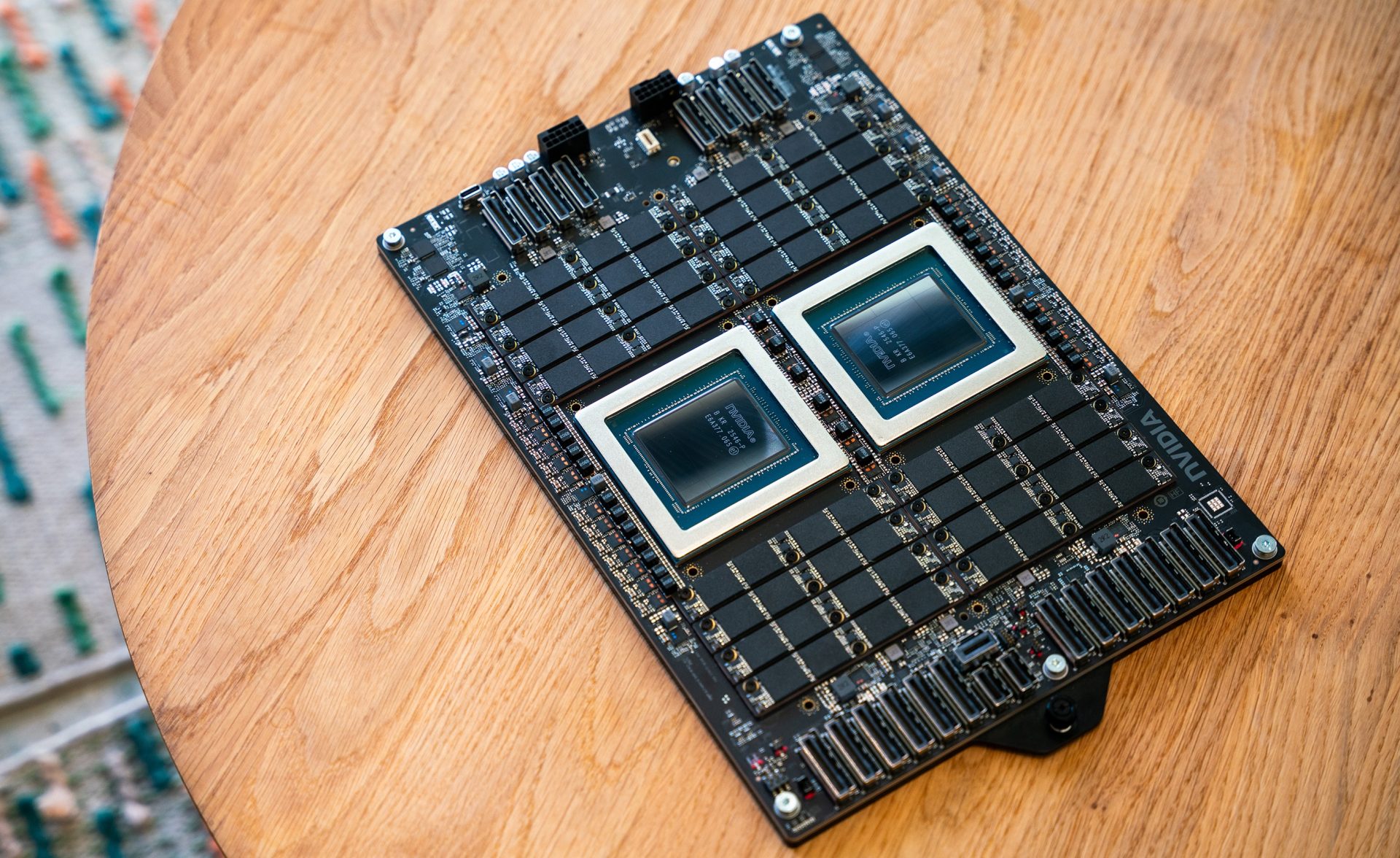
NVIDIA is reportedly seeing growing interest from Chinese customers for its upcoming Vera CPUs, a new processor platform designed for AI data centers and high-performance computing workloads. The company has informed potential clients in China that Vera processors could become available as early as August, with orders already being discussed.
The move comes at a crucial time for NVIDIA’s business in China. Over the past year, the company’s advanced AI GPU sales in the region have been heavily affected by U.S. export restrictions. Its Hopper-based chips faced limits, while newer Blackwell AI accelerators remain blocked from sale in China. NVIDIA’s leadership has previously acknowledged that the company’s position in the Chinese AI chip market has sharply declined, creating pressure to find new revenue opportunities.
With GPU restrictions still limiting its options, NVIDIA appears to be shifting attention toward CPUs. The Vera processor could become an important alternative for Chinese cloud providers, AI infrastructure companies, and data center operators looking to expand computing capacity.
NVIDIA Vera CPUs Could Arrive in August
NVIDIA has reportedly told Chinese clients that its Vera central processors for AI data centers may be ready for availability in August. Several companies are said to be evaluating the platform, and at least one major Chinese cloud service provider is reportedly considering an order of more than 300 servers.
Each of those servers would include two Vera CPUs, meaning the order could involve more than 600 processors. However, the customer is expected to begin with a smaller test purchase before moving forward with a larger deployment.
This early interest suggests that NVIDIA may have found a new path into China’s AI infrastructure market, even as its most powerful GPUs remain restricted.
Why Vera Matters for AI Data Centers
NVIDIA Vera is designed for demanding AI workloads, including agentic AI, cloud AI services, and large-scale data center applications. Unlike NVIDIA’s GPU-focused products, Vera is a CPU platform, but it is built to work in advanced AI infrastructure environments where fast memory access, high bandwidth, and scalable performance are critical.
One of the key configurations is the Vera MGX rack platform. These racks can include up to 256 Vera CPUs connected through NVIDIA’s high-speed NVLink I/O technology. NVIDIA claims this setup can deliver up to 90% faster AI application performance compared with standard x86-based alternatives.
Each Vera CPU is expected to feature:
88 Arm-based Olympus cores
164 MB of L3 cache
166 MB of L2 cache
Support for up to 1.5 TB of LPDDR5X SOCAMM2 memory per CPU
Support for up to 400 TB of unified memory across a full rack
PCIe Gen6 support
CXL 3.1 support
Air-cooled and liquid-cooled configurations
Power ranges from 250W to 450W
These specifications position Vera as a serious option for companies building next-generation AI data centers, particularly those looking beyond traditional x86 server CPUs.
Pricing Could Be Very High
The Vera CPU platform is expected to be expensive. Current estimates suggest that a single Vera CPU could cost more than $20,000, while a complete Vera rack could reach around $10 million.
That pricing makes Vera a product aimed at major cloud providers, hyperscalers, AI research companies, and enterprise data centers rather than mainstream server buyers. Still, for companies investing heavily in AI infrastructure, the performance benefits may justify the cost.
Previous market discussions have also suggested that large Chinese technology companies, including major cloud and internet firms, have been closely watching NVIDIA’s Vera platform for possible deployment in their data centers.
NVIDIA Looks to Recover Lost Revenue in China
China has historically been one of NVIDIA’s most important markets for AI hardware. However, the combination of U.S. export controls and China’s push to reduce reliance on foreign chips has created major challenges for the company.
Chinese data centers and AI factories have increasingly been encouraged to use domestic alternatives instead of NVIDIA GPUs. Even some consumer-focused NVIDIA products have faced market pressure in China as local chip development accelerates.
Vera gives NVIDIA a possible way to stay relevant in the region’s AI infrastructure market without relying solely on restricted GPUs. If Chinese customers adopt Vera at scale, it could help NVIDIA recover part of the revenue it has lost due to GPU limitations.
Competition Is Already Heating Up
NVIDIA’s entry into the data center CPU market with Vera puts it in direct competition with established server processor companies such as AMD and Intel.
AMD is aggressively promoting its EPYC server CPUs and has highlighted performance comparisons against Vera, while also preparing future-generation chips that are expected to offer major gains. Intel is also strengthening its Xeon roadmap as it prepares to defend its data center CPU market share.
At the same time, custom silicon is becoming a major threat. Several large AI companies are building their own processors for specialized AI workloads, including CPUs designed for agentic AI and large-scale inference systems.
NVIDIA has already stated that it expects to become the world’s largest CPU supplier in 2026. With Vera moving into volume production and customer interest growing, the company is clearly aiming to challenge the traditional server CPU market in a major way.
A New Battle for AI Infrastructure
The arrival of NVIDIA Vera could mark a major shift in the AI data center hardware market. For years, NVIDIA has dominated AI computing through its GPUs, but export restrictions in China have forced the company to rethink its strategy.
By pushing Vera CPUs into the Chinese market, NVIDIA may be trying to create a new revenue channel while also expanding its influence beyond GPUs. If Chinese cloud providers and AI companies move forward with large orders, Vera could become one of NVIDIA’s most important products for AI infrastructure growth.
However, success is not guaranteed. NVIDIA faces strong competition from AMD, Intel, domestic Chinese chipmakers, and custom AI processor developers. Pricing will also be a major factor, especially with full Vera racks expected to cost millions of dollars.
Even so, the reported interest from Chinese clients shows that demand for high-performance AI data center hardware remains strong. As AI workloads continue to grow, the competition for the next generation of server CPUs is only getting more intense.


