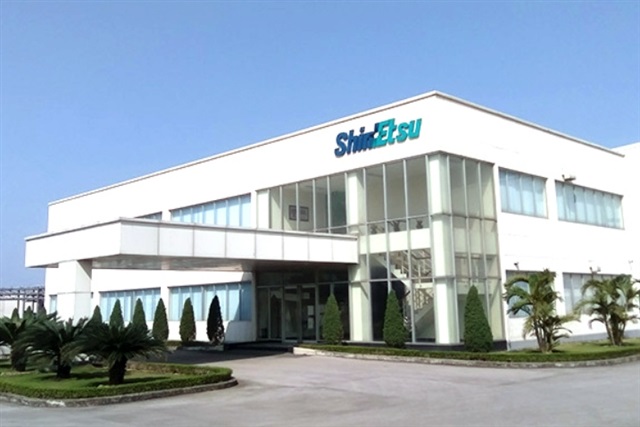
Shin-Etsu Chemical to Build Rare Earth Production Facility in Japan to Strengthen Supply Chain
Shin-Etsu Chemical is moving forward with plans to build a new rare earth production facility in Fukui Prefecture, Japan, in a major step toward strengthening the country’s domestic supply of critical materials. The project is aimed at expanding Japan’s rare earth smelting capacity and reducing dependence on China, which currently plays a dominant role in the global rare earth supply chain.
Rare earth elements are essential for many advanced technologies, including electric vehicles, semiconductor manufacturing equipment, high-performance magnets, electronics, robotics, renewable energy systems, and defense-related applications. As demand for these materials continues to grow, countries and manufacturers are looking for ways to secure more stable and diversified supply sources.
The planned facility in Fukui is expected to support Japan’s efforts to build a more resilient industrial base. By increasing domestic processing capabilities, Shin-Etsu Chemical could help reduce supply risks for Japanese manufacturers that rely on rare earth materials for next-generation products.
China has long been the leading player in rare earth mining and processing, giving it significant influence over global supply and pricing. This has raised concerns among governments and companies that depend on rare earth materials for strategic industries. Japan, in particular, has been working to secure alternative supply routes and strengthen local production to avoid disruptions.
The new Shin-Etsu Chemical rare earth plant comes at a time when demand for electric vehicles and semiconductor-related equipment is rising rapidly. Electric motors, batteries, and advanced chipmaking tools all require specialized materials that must meet strict quality and performance standards. Having more rare earth processing capacity within Japan could help manufacturers maintain stable production and reduce exposure to global supply chain uncertainty.
Fukui Prefecture could also benefit from the investment, as the project may bring new industrial activity, technical expertise, and long-term employment opportunities to the region. The facility would align with Japan’s broader push to reinforce domestic manufacturing in sectors considered vital to economic security.
For Shin-Etsu Chemical, the move reflects the company’s focus on materials that support high-tech industries. The company already plays an important role in supplying advanced materials used in electronics, semiconductors, and industrial applications. Expanding into additional rare earth production capacity could further strengthen its position in the global technology supply chain.
As global competition for critical minerals intensifies, rare earth production is becoming more than just an industrial issue. It is now closely tied to national security, economic stability, and technological leadership. Japan’s investment in domestic rare earth capacity signals a clear effort to prepare for future demand while reducing reliance on a single overseas source.
Shin-Etsu Chemical’s planned facility in Fukui may become an important part of Japan’s long-term strategy to secure critical materials for electric vehicles, semiconductor manufacturing, and other advanced technologies. If completed successfully, the project could help Japan build a stronger, more reliable rare earth supply chain at a time when global demand is only expected to rise.