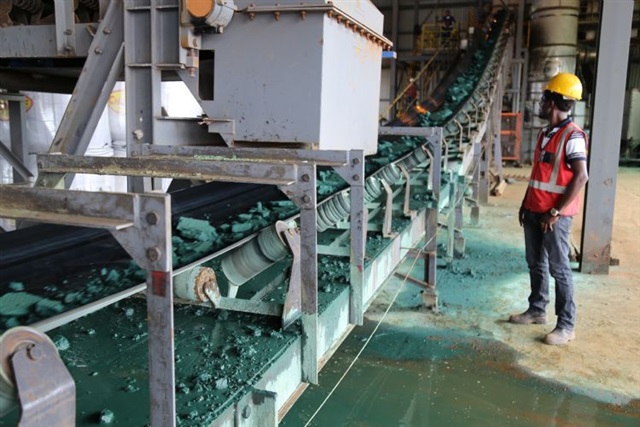
China tightens rare earth export controls with new ban on technology transfers
China’s Ministry of Commerce announced two significant rare earth regulations on October 9, 2025, marking one of the strongest moves yet to assert control over a strategically vital sector. A landmark rule introduces export controls on rare earth technologies and explicitly prohibits Chinese citizens, legal entities, and organizations from engaging in restricted activities outlined by the new regulations without authorization.
What this means in practice is tighter oversight not just of raw materials, but of the know-how and processes that turn rare earths into essential inputs for modern industry. Rare earth elements are indispensable for high-performance magnets, electric vehicle motors, wind turbines, consumer electronics, medical imaging equipment, and a range of defense systems. By placing technology transfers under stricter control, Beijing is signaling that the intellectual property and processing expertise surrounding these materials are now as sensitive as the minerals themselves.
Key takeaways
– China unveiled two major regulations aimed at the rare earth sector on October 9, 2025.
– A new rule imposes export controls on rare earth technologies, elevating them to a controlled category.
– The regulations explicitly prohibit specified activities by Chinese citizens, companies, and organizations without government approval.
– The announcement underscores a shift from controlling raw exports to managing the entire value chain, including sensitive know-how.
Why it matters
– Global supply chain impact: China holds a dominant position in rare earth refining and processing. Tighter controls on technology could ripple through industries reliant on advanced materials and components.
– Price and availability: Any added friction—licensing, approvals, or broader compliance steps—may introduce volatility and longer lead times for manufacturers.
– Strategic autonomy: Countries and companies outside China will likely accelerate efforts to diversify supply, develop domestic processing capabilities, and secure alternative technology partnerships.
– Competitive landscape: Firms with diversified sourcing or in-house materials expertise may gain an edge as regulatory complexity increases.
Who is affected
– Automotive and EV manufacturers relying on rare earth magnets for traction motors.
– Renewable energy companies using rare earth components in wind turbines and generators.
– Consumer electronics makers sourcing components that depend on rare earth materials.
– Aerospace and defense supply chains with stringent performance requirements.
– Upstream and midstream materials companies involved in refining, separation, and advanced processing.
What companies should do now
– Assess exposure: Map products and components that depend on rare earth-based materials and technologies, including any reliance on China-origin technology or processing.
– Build resilience: Explore alternative sources, invest in recycling and substitution where feasible, and evaluate long-term contracts to stabilize supply.
– Strengthen compliance: Prepare for licensing, documentation, and tracking requirements related to controlled items and technology flows.
– Communicate with partners: Coordinate with suppliers and customers to manage timelines, inventory, and specification changes.
What to watch next
– Implementation details: Expect clarifications on control lists, licensing frameworks, and compliance timelines as regulators and industry adapt to the new rules.
– Market response: Monitor spot prices, contract premiums, and lead times for affected materials and components.
– Policy moves elsewhere: Other governments may respond with their own incentives, stockpiles, or regulatory changes to bolster domestic capabilities.
Background
Rare earth elements are a group of metals critical to high-efficiency magnets and specialized materials that power electrification, digital devices, and advanced manufacturing. While several countries mine rare earth ores, the most technically challenging and value-added steps occur during refining and processing—a stage where China has long held a commanding role. By tightening controls on technology transfer, China is emphasizing that expertise and equipment for separation, alloying, and high-spec material production are strategic assets.
Frequently asked questions
What exactly is controlled?
The new rules place rare earth technologies under export controls and restrict certain activities by individuals, companies, and organizations without authorization. Specific definitions and control lists are expected to guide how these measures are applied.
Will this affect EVs and renewable energy?
Yes, potentially. EV motors and wind turbines rely on rare earth-based magnets and components. Any new licensing or compliance requirements could influence timelines, costs, and sourcing strategies.
Could prices rise?
Markets often react to regulatory changes with short-term volatility. Companies may face higher compliance costs, longer lead times, or the need to qualify alternative suppliers, all of which can affect pricing.
How should manufacturers respond?
Start with a thorough supply chain review, engage with suppliers on compliance readiness, consider safety stocks for critical components, and evaluate R&D for material substitution and recycling.
Bottom line
China’s rare earth policy shift on October 9, 2025 extends control from materials to the sensitive technologies that enable them. The move reinforces the strategic importance of rare earths in the global economy and will likely accelerate diversification, innovation, and compliance efforts across multiple industries. Businesses that act early to understand their exposure and adapt sourcing and compliance strategies will be best positioned to navigate the new landscape.