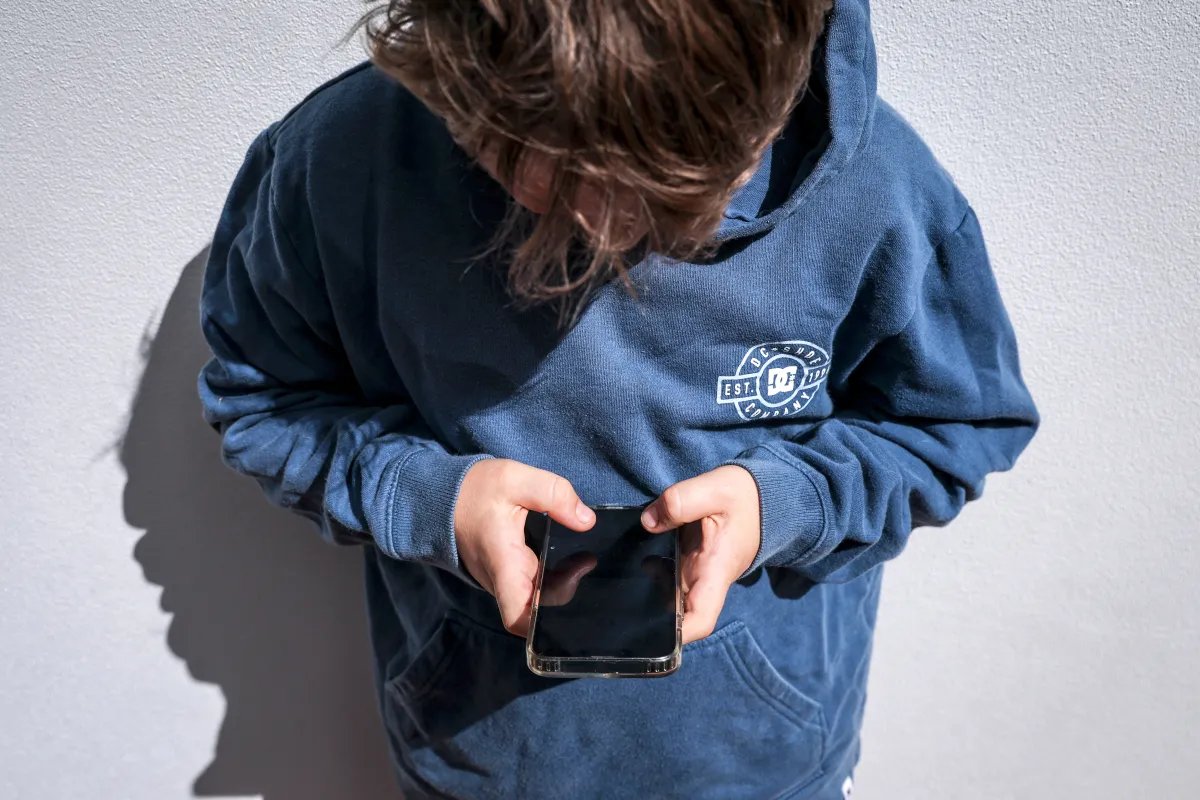
A growing number of governments are moving to restrict social media access for children and teenagers, arguing that the risks now outweigh the benefits for younger users. Australia set the pace by becoming the first country to roll out a nationwide restriction, and since then, several other nations have either introduced bills, announced upcoming bans, or signaled that age-based limits are on the way.
The main goal behind these proposals is to reduce the pressure and potential harm kids can face online. Lawmakers frequently cite concerns such as cyberbullying, addictive design that encourages compulsive scrolling, mental health impacts tied to excessive screen time, and the danger of exposure to predators.
At the same time, these plans are sparking serious debate. Privacy advocates and digital rights groups warn that strict age checks could push platforms toward intrusive verification tools and that heavy-handed government involvement may not address how young people actually use the internet. Critics also argue that bans can be difficult to enforce, may be bypassed, and risk creating new problems without solving the old ones. Still, momentum is building, and multiple countries are pressing ahead with legislation.
Here’s where things stand in the countries that have announced or advanced social media bans or restrictions for young users.
Australia
Australia became the first country in the world to ban social media for children under 16, implementing the policy in December 2025. The restriction targets major platforms and services including Facebook, Instagram, Snapchat, Threads, TikTok, X, YouTube, Reddit, Twitch, and Kick. Notably, WhatsApp and YouTube Kids are not included.
Under the Australian approach, responsibility is placed largely on tech companies, not families or children. Platforms are expected to take meaningful steps to keep under-16 users off their services, and companies that don’t comply could face penalties as high as 49.5 million AUD (about 34.4 million USD). The government also emphasizes that platforms can’t simply rely on users typing in a birthdate; instead, companies are expected to use multiple methods to verify age.
Denmark
Denmark is preparing a ban that would block children under 15 from social media platforms. In November 2025, the Danish government announced it had secured political support across key parties, including backing within the governing coalition and from opposition lawmakers.
The timeline suggests the policy could become law as soon as mid-2026. Denmark is also exploring tools to support enforcement, including a “digital evidence” app from the digital affairs ministry that may incorporate age verification features.
France
France is moving forward with legislation that would ban social media for children under 15. In late January, French lawmakers passed a bill designed to reduce youth exposure to excessive screen time and online pressures, an approach that has received support from President Emmanuel Macron.
Before the ban can become law, the bill still needs to pass through the Senate and then return for a final vote in the lower house.
Germany
In Germany, discussion is underway about restricting social media access for kids under 16. Conservative leaders raised the proposal in early February, though the political path appears uncertain. Reports indicate potential hesitation from coalition partners, suggesting Germany may face stronger internal debate over whether an outright ban is the right approach or whether narrower safety measures would be more workable.
Greece
Greece is also nearing a potential ban for younger users. The country is reportedly close to announcing a social media restriction for children under 15, reflecting the broader European push toward tighter rules for youth online safety.
Malaysia
Malaysia has announced plans to ban social media for children under 16. The government revealed the proposal in November 2025 and has indicated it aims to implement the restriction this year. If enacted as planned, Malaysia would join a growing list of countries adopting the 16-and-under threshold.
Slovenia
Slovenia is drafting legislation to prohibit social media access for children under 15. Government leaders have pointed to major content-sharing networks such as TikTok, Snapchat, and Instagram as examples of the types of platforms the law would target, emphasizing the desire to regulate social networks where short-form and viral content spreads quickly among young audiences.
Spain
Spain’s government has announced plans to ban social media for children under 16, though the policy still requires parliamentary approval. Alongside the proposed age restriction, Spain is also exploring tougher accountability rules, including a measure that could make social media executives personally responsible for hate speech hosted on their platforms. That combination signals Spain is not only focused on child access, but also on broader platform governance and enforcement.
United Kingdom
The UK is weighing whether a ban on social media for children under 16 would be effective. Rather than rushing straight to legislation, the government says it intends to consult with parents, young people, and civil society groups before deciding on the best path forward.
In addition to a potential age-based restriction, UK officials are also looking at limiting or removing features blamed for driving compulsive use, such as endless scrolling. That could mean future rules target not just who can access platforms, but how those platforms are designed to keep users engaged.
As more countries consider social media bans for children and teens, the global debate is shifting from whether platforms should protect young people to how far governments should go, what verification methods are acceptable, and whether bans can truly reduce harm without sacrificing privacy and digital rights.