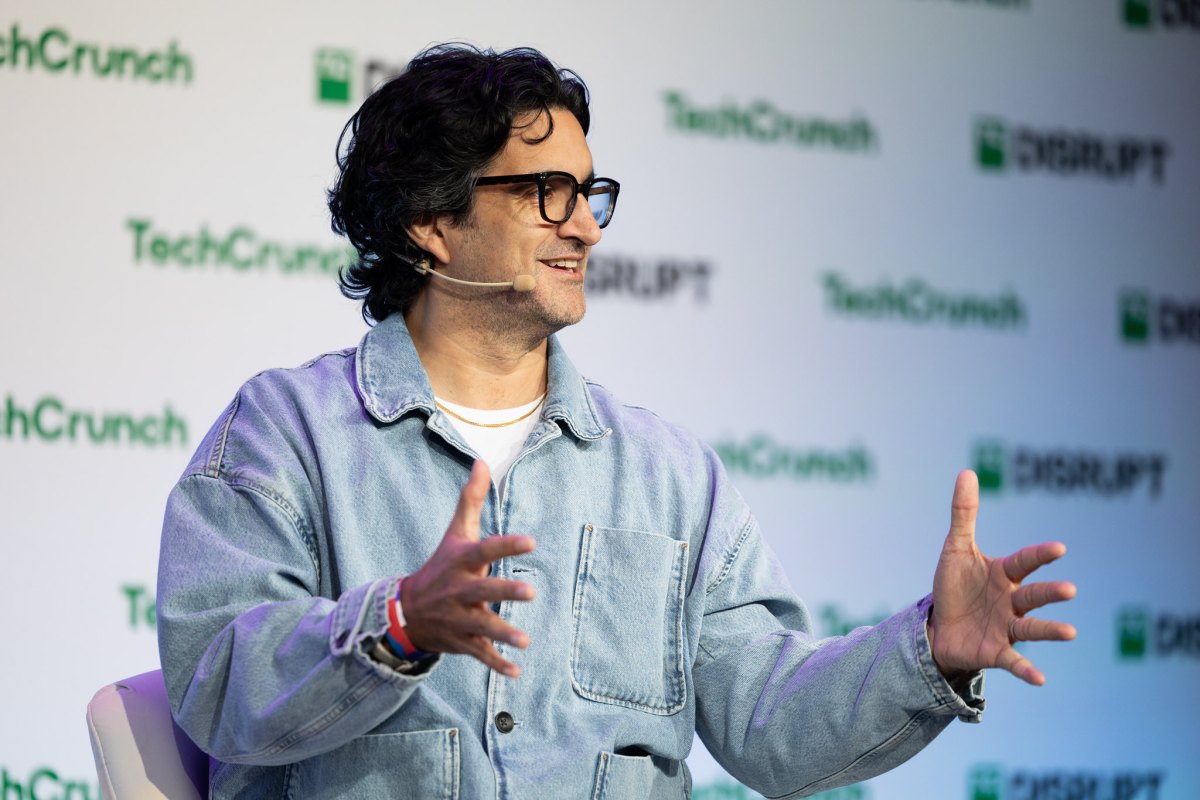
Bonobos founder Andy Dunn is stepping back into the entrepreneurial ring with Pie, an innovative in-person social media platform. While Dunn’s successful $310 million Bonobos exit taught him significant business insights, his most profound revelations centered on mental well-being rather than entrepreneurship alone.
Diagnosed with bipolar disorder during his college years, Dunn didn’t receive proper treatment until 2016. His second manic episode, which led to hospitalization, was a turning point. “The manic state is just a disaster — like being in psychosis with messianic delusions,” Dunn shared at a recent conference. This awakening prompted him to take his diagnosis seriously, committing to therapy, medication, and sleep monitoring.
In his book “Burn Rate: Launching a Startup and Losing My Mind,” Dunn chronicles his journey of building Bonobos while coming to terms with managing his mental health. The book offers valuable lessons for all entrepreneurs, not just those navigating mental health conditions. “We all have mental health, right? It doesn’t take a diagnosis to suffer or struggle,” Dunn emphasized, highlighting a prevalent challenge among entrepreneurs who often report higher rates of mental health issues compared to others.
Dunn observes a connection between neurodivergence and creativity, questioning whether entrepreneurship attracts neurodiverse individuals or fosters such traits. This complex interaction between mental health and entrepreneurship is further explored through Dunn’s experiences, particularly the hypomanic episodes of bipolar disorder, which he argues can temporarily aid startup management.
While hypomania provided Dunn with heightened creativity and energy, the costs were substantial. The accompanying depression and full-blown manic episodes were catastrophic. Even during his hypomanic phases, Dunn admits he wasn’t the best leader or colleague, due in part to becoming irritable when faced with disagreement. Now, at Pie, Dunn encourages open debates, believing they lead to better decisions.
Despite growing awareness around mental health, Dunn notes the persistent stigma that founders face when disclosing mental health struggles. As an advisor to the Founder Mental Health Pledge, which encourages investor advocacy for founders’ mental well-being, Dunn advises discretion. He suggests waiting until after a deal closes to discuss mental health issues with investors, recognizing both the necessity of transparency and the risks involved.
Dunn’s transparency about his bipolar disorder hasn’t hindered his fundraising efforts; Pie recently secured an impressive $11.5 million Series A funding. Open about the critical role of therapy and medication, Dunn compares managing bipolar disorder to an Olympian’s regimen, underscoring the life-or-death implications of mental health mismanagement.
The challenge ahead for Dunn is to build Pie into a success without compromising personal stability. He openly communicates the demands of startup work, assuring potential employees of the professional growth and equity they’ll gain in return. Reflecting on his time at Bonobos, Dunn writes of an immature assumption that more work equals more success, realizing that self-care is an integral part of effective entrepreneurship.
Ultimately, Dunn aspires to foster a work environment that celebrates hard work without neglecting mental health, striving for a balance that supports both individual and organizational success.