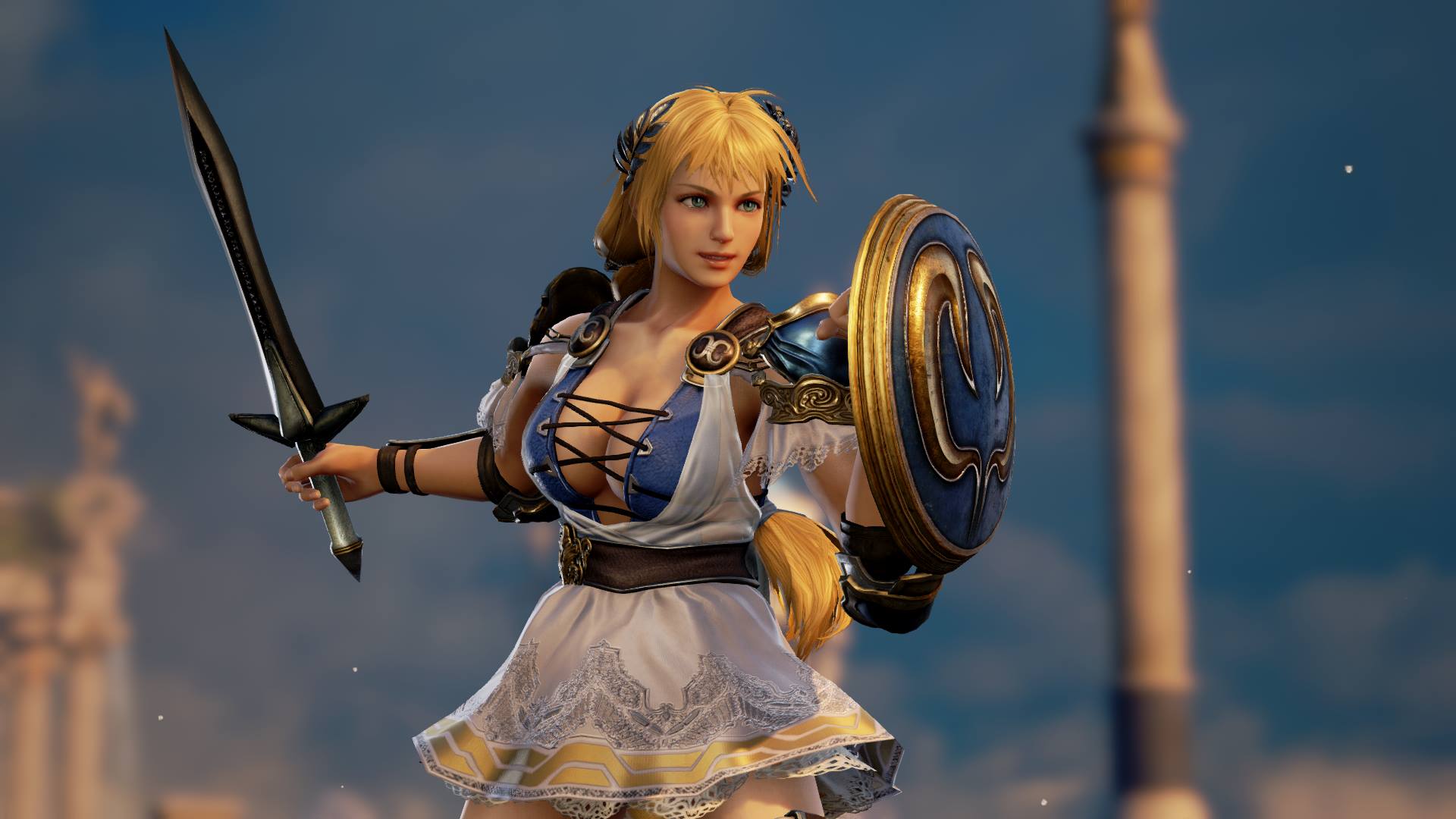
A fascinating new study has been published exploring how men and women perceive sexualization and strength in female video game characters. This research, conducted using custom characters in the game SOULCALIBUR VI, delved into how different degrees of sexualization and strength influenced player choices and impressions.
The study created four distinct character types to represent different combinations of sexualization and strength:
1. High Sexualization and High Strength
2. High Sexualization and Low Strength
3. Low Sexualization and High Strength
4. Low Sexualization and Low Strength
Interestingly, despite expressing a general dislike for highly sexualized characters, female participants still chose to play them when given the chance. On the other hand, male players gravitated towards characters that appeared strong.
Researcher Teresa Lynch shared her insights with PsyPost, highlighting the pervasive sexism in gaming. She noted that games tend to feature male characters predominantly and often depict female or gender-minoritized characters through negative stereotypes or objectification. Furthermore, women and gender minorities frequently face sexist communication in online gaming environments.
Lynch was surprised by the outcome of her initial experiment. Although participants expressed displeasure towards sexualized characters, women still selected them when choosing a character to play. She speculated that this choice might be linked to the character’s femininity, suggesting women might feel a deeper connection or identification with such characters.
In a follow-up experiment where participants actually played the characters, it was revealed that women generally associated strength with competence, whereas men did not heavily associate a character’s physicality with their capability.
This study arrives amidst growing global concern about the representation of women in media. Bodies like the United Nations’ CEDAW have criticized countries such as Japan for media portrayals that might hypothetically influence violence against women. Additionally, platforms such as Twitch face scrutiny for their handling of sexualized portrayals, revealing a broader tension between artistic freedom and the push against harmful stereotypes.
This research offers valuable insights into player preferences and perceptions, highlighting the nuanced dynamics of gender representation within video games and potentially contributing to wider discussions on media portrayal of women.