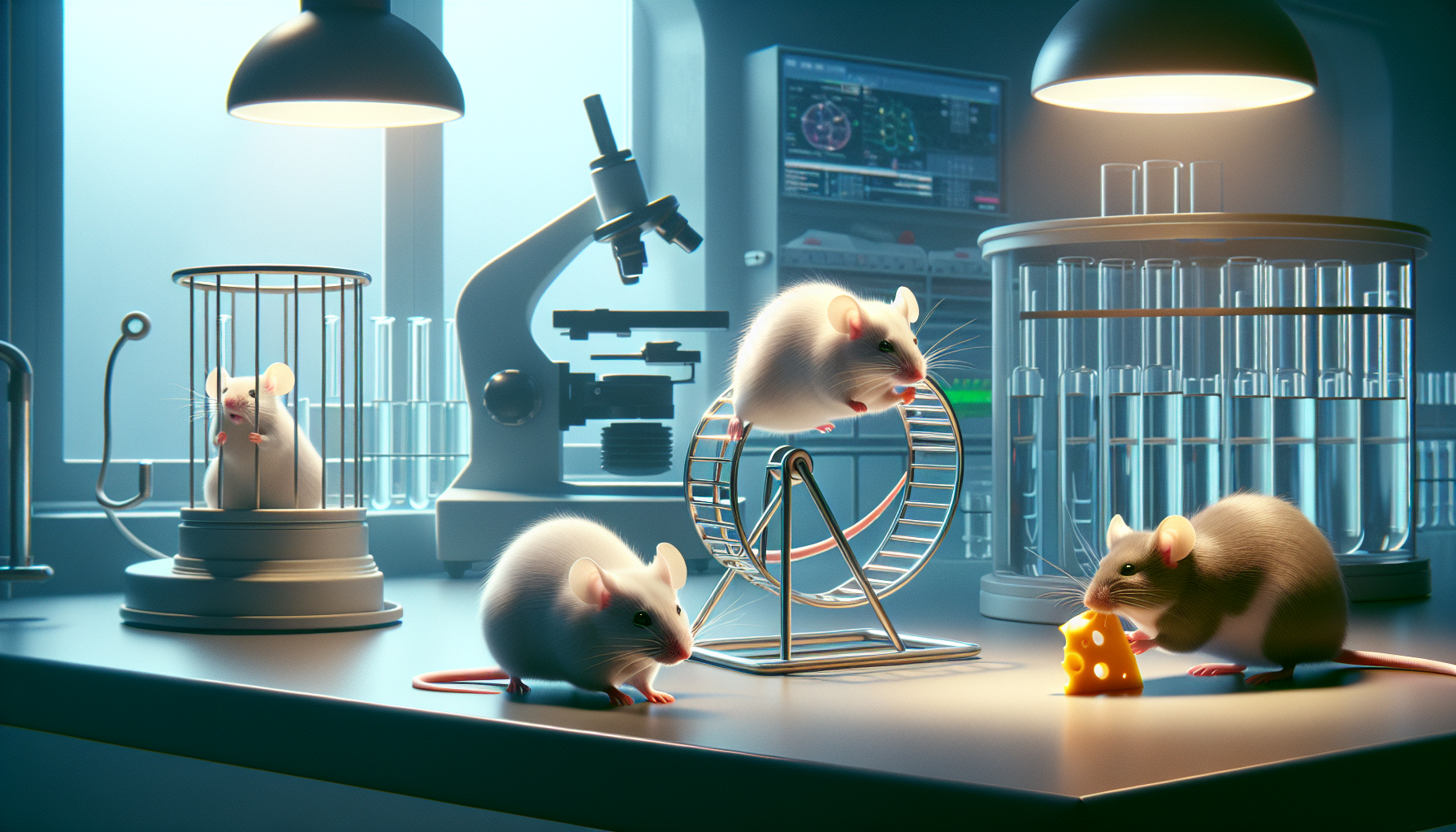
Recent advancements in the field of medical research have sparked hope for those affected by anorexia nervosa, an eating disorder characterized by an intensive fear of gaining weight and a distorted body image. Groundbreaking studies involving mice have paved the way for potential treatments that could leverage the ACBP protein, bringing new hope to individuals suffering from this condition.
ACBP, a protein discovered over 40 years ago, has been identified as a critical player in the management of appetite through brain regulation. A study published in Science Translational Medicine emphasized that mice genetically modified to produce ACBP exhibited increased food consumption compared to those with a deficiency of this protein. Earlier studies with human participants also indicated that individuals with severe anorexia tend to have lower levels of ACBP; moreover, their risk of relapse after treatment was higher than those with average levels of the protein.
Research efforts expanded beyond genetic modification, as scientists additionally experimented with the daily injection of ACBP into normal mice. These trials resulted in weight gain and augmented appetites among the subjects, signaling a significant breakthrough in the understanding and potential treatment of anorexia. Renowned psychiatrist and neuroscientist Rachel Ross highlighted that, while ACBP might not be the definitive treatment for anorexia, it certainly establishes a vital link between bodily functions and mental health.
Anorexia nervosa has a global reach, affecting approximately 1 percent of women and 0.2 percent of men, sometimes leading to fatal outcomes due to its severity. The disorder involves not only a rigorous control over diet but is often accompanied by other mental health issues such as depression, anxiety, obsessive-compulsive disorder, neuroticism, and even schizophrenia. While considered a modern illness, records of anorexia trace back centuries, with documented cases from the 16th century confirming its historical presence.
The quest for an effective treatment for anorexia nervosa continues, as researchers work to translate findings from animal models to human clinical applications. The developments in understanding the role of ACBP in appetite regulation offer a glimmer of hope and a potential pathway to a more effective therapy for those affected by this challenging disorder. As research progresses, it remains essential to support individuals with anorexia, providing them with the comprehensive care and treatment options they need to recover and maintain long-term health.


