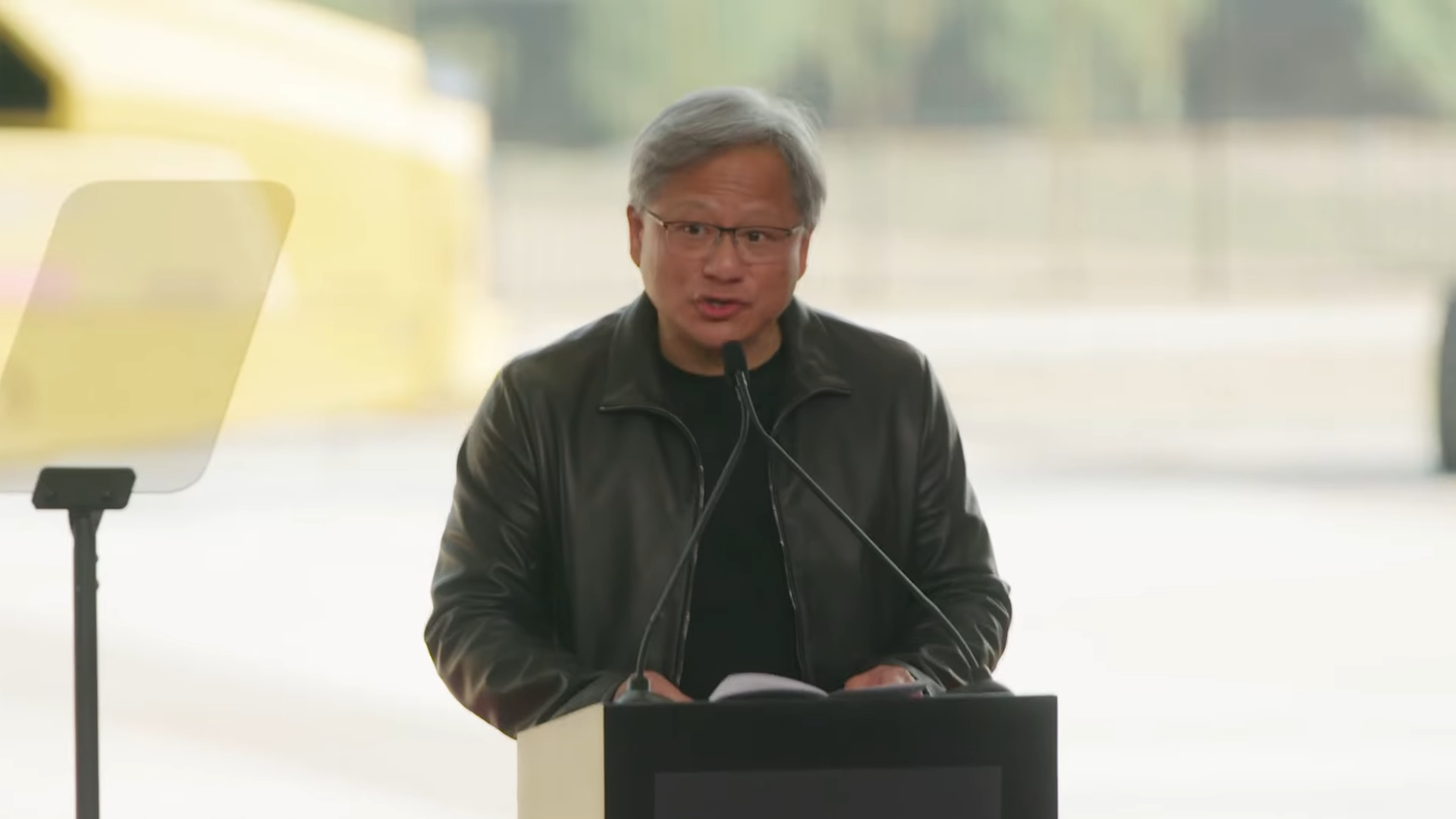
NVIDIA CEO Jensen Huang Wins Over Japan as Company Secures Major AI Factory Deal
NVIDIA CEO Jensen Huang’s mid-July visit to Japan was more than a business trip. It became a showcase of how technology, diplomacy, and personal charisma can come together to shape major international partnerships.
During the visit, Huang helped secure a major agreement to support Japan’s first national AI factory, a large-scale artificial intelligence infrastructure project built around NVIDIA’s next-generation computing platforms. The deal reportedly includes 13,750 Vera CPUs and 27,500 Rubin GPUs, along with NVIDIA Vera Rubin NVL72 racks and Spectrum-X networking.
The project is expected to play a key role in strengthening Japan’s AI capabilities, giving the country the computing power needed to accelerate development in robotics, automation, industrial systems, and advanced research.
A major part of the visit centered on Japan’s Ministry of Economy, Trade, and Industry, known as METI. NVIDIA is set to support a national initiative aimed at using advanced computing and robotics to help address Japan’s long-term demographic challenges. With the country facing an aging population and a shrinking workforce, AI-powered robotics could become increasingly important across manufacturing, logistics, healthcare, and mobility.
Several of Japan’s biggest automotive and industrial robotics companies are said to be interested in participating in the initiative, signaling strong momentum behind the country’s push to become a global leader in AI-driven automation.
While the scale of the business agreements was impressive, Huang’s personal approach may have left an even stronger impression on Japanese executives.
Sumitomo Electric Chairman Matsumoto reportedly praised Huang after meeting him, saying the NVIDIA chief had “the spirit of a Japanese business leader from the post-war era.” The remark stood out because Japanese corporate culture is often known for its formality and measured praise.
Huang’s conduct during informal gatherings appeared to resonate deeply. He reportedly enjoyed local food, ate enthusiastically, served dishes to others at the table, and repeatedly praised the meals as “delicious.” These gestures, while simple, seemed to reflect cultural awareness, humility, and a willingness to connect beyond the boardroom.
That combination of business ambition and personal warmth has become a defining part of Huang’s leadership style. Whether meeting with government officials, industrial partners, developers, or engineers, he has built a reputation for blending technical vision with a highly personal approach.
His Japan visit also included public-facing moments. Huang stopped by a Build-a-Claw event in Tokyo, where he took part in a brief question-and-answer session. During the appearance, he reaffirmed that NVIDIA’s Vera Rubin platform remains on track and also commented on potential future opportunities involving Rapidus, Japan’s advanced semiconductor manufacturing venture.
For NVIDIA, Japan represents a strategically important market. The country has deep expertise in robotics, automotive engineering, precision manufacturing, semiconductor materials, and industrial automation. Pairing that foundation with NVIDIA’s AI hardware and software ecosystem could unlock major growth opportunities.
Japan’s interest in AI factories also reflects a broader global trend. Nations are increasingly treating AI infrastructure as critical national infrastructure, similar to energy grids, telecom networks, and semiconductor supply chains. Rather than relying only on cloud resources abroad, countries want sovereign AI capacity that can support domestic companies, researchers, and government priorities.
NVIDIA is positioning itself at the center of that shift. Its AI factory concept focuses on building massive computing systems that can process data, train AI models, and support real-time inference at industrial scale. In Japan’s case, the technology could support everything from factory robots and autonomous vehicles to advanced materials research and next-generation manufacturing.
Huang’s visit appears to have delivered on both fronts: major commercial progress and stronger relationships with some of Japan’s most influential business leaders.
The reaction from Sumitomo Electric’s chairman is especially notable because the company is a major player in advanced materials, including indium phosphide, a key material used in high-performance optical and semiconductor applications. As AI systems demand faster networking, better power efficiency, and more advanced components, companies like Sumitomo Electric could become increasingly important to the broader AI supply chain.
The broader takeaway is clear: NVIDIA is not just selling chips. It is building national-scale AI partnerships, and Huang is personally driving many of those relationships.
His Japan trip showed why he has become one of the most influential figures in the global technology industry. The company’s hardware roadmap matters, but so does the trust it builds with governments, manufacturers, and industrial leaders.
By combining next-generation AI infrastructure with a respectful, culturally aware approach to business, Jensen Huang appears to have strengthened NVIDIA’s position in Japan at a crucial moment.
As countries race to build AI capacity, Japan’s first national AI factory could become a major milestone for the country’s technology ambitions and another important win for NVIDIA’s expanding global AI strategy.