NVIDIA Vera Rubin NVL72 Rack Costs Soar as Memory Becomes 26% of Total System Price
NVIDIA’s next-generation Vera Rubin AI platform is shaping up to be one of the company’s most ambitious and expensive data center systems yet. New bill of materials estimates for the upcoming Vera Rubin “VR200” NVL72 rack suggest that rising memory prices are becoming a major cost driver, with memory now accounting for roughly 26% of the total system cost.
The Vera Rubin platform is already in production, with initial shipments expected in the third quarter of 2026 and a broader volume ramp planned for the fourth quarter. Designed for massive AI workloads, high-performance computing, and next-generation data center deployments, Vera Rubin is expected to push performance to new levels. However, that jump in capability comes with a significant increase in hardware costs.
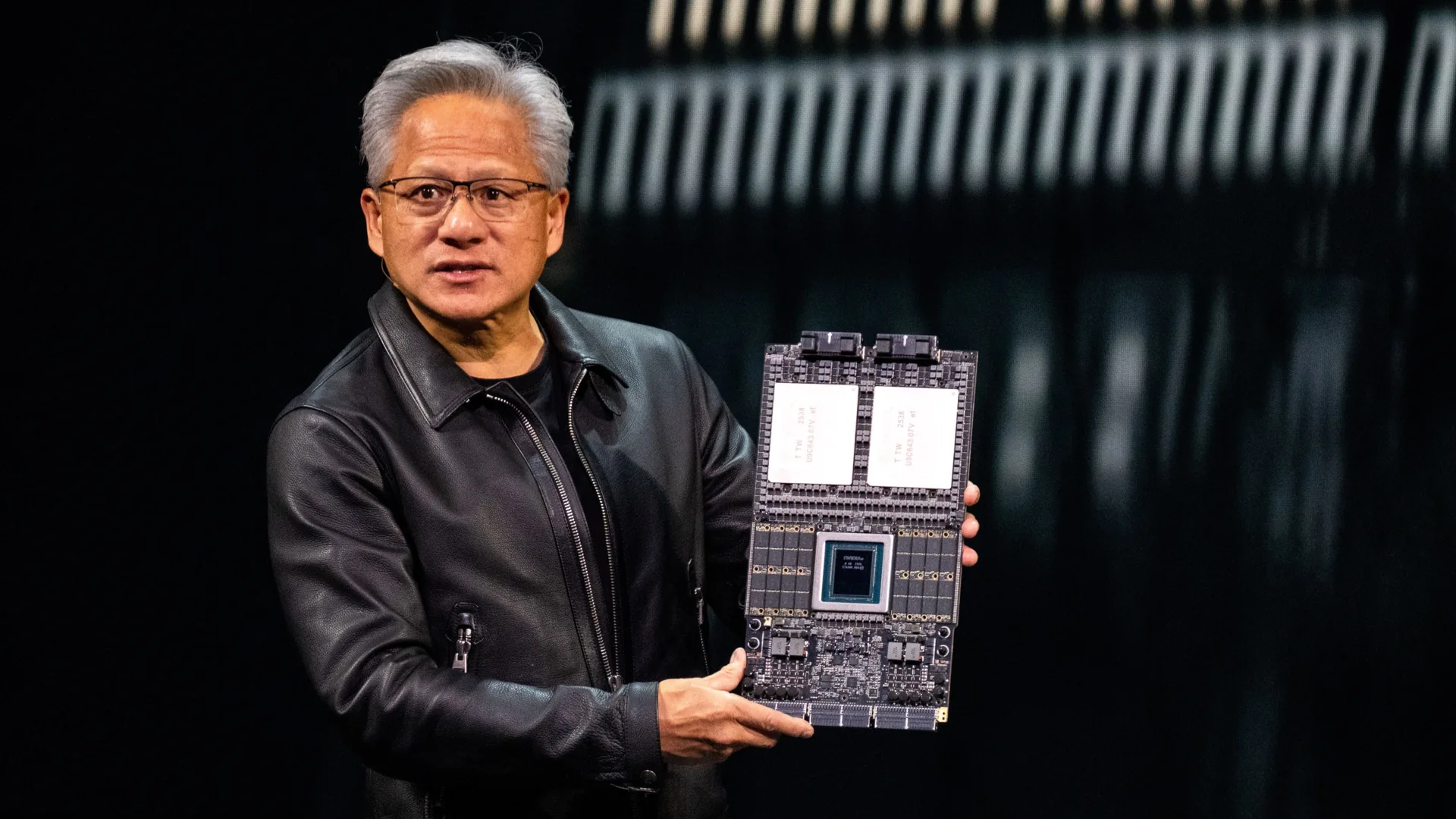
The NVL72 rack, reportedly known as Oberon, is built around 72 Rubin GPUs. Each Vera Rubin tray includes four Rubin GPUs and two Vera CPUs. At the motherboard level, two GPUs and one CPU are combined into what is referred to as a Superchip. A full NVL72 rack contains 36 of these Superchips, bringing the total to 72 GPUs and 36 CPUs.
One of the biggest highlights of this system is its enormous memory capacity. Each Rubin GPU is expected to include 288 GB of HBM4 memory, while each Vera CPU is paired with 1.5 TB of LPDDR5X memory. Across the full NVL72 rack, that adds up to around 20.7 TB of HBM4 and 54 TB of LPDDR5X.
Those figures show why memory is becoming such a critical part of the overall cost. Demand for advanced AI memory is surging, while supply for HBM and high-capacity LPDDR remains tight. As a result, the memory cost for Vera Rubin has reportedly climbed dramatically compared to the previous Grace Blackwell generation.
According to the estimated bill of materials, the Rubin GPUs are expected to be the most expensive part of the NVL72 rack. The 72 GPUs alone are estimated to cost close to $4 million, or about $55,000 per GPU. That represents a 57% increase compared to the Blackwell NVL72 B300 rack, where GPU costs were estimated at around $2.5 million.
Memory is the second-largest cost category and shows the sharpest increase. Combined HBM4 and LPDDR5X memory costs are estimated to exceed $2 million for the Vera Rubin NVL72 rack. Compared to the Grace Blackwell platform, where memory was estimated at around $373,939, this marks a massive 435% jump.
That increase pushes memory to 26% of the total rack cost, a major shift from the previous generation, where memory accounted for roughly 9%. This change reflects the growing importance of advanced memory technologies in AI systems, especially as models become larger and require faster access to massive datasets.
The Vera CPUs are estimated to add another $180,000 to the rack cost, which works out to about $5,000 per CPU. When the GPUs, CPUs, and memory are combined, the subtotal reaches around $6.14 million.
The complete rack cost is estimated at approximately $7.8 million once additional components are included. These include NVLink switches, networking chips, cooling hardware, power supply systems, printed circuit boards, ABF substrates, MLCC components, and other supporting infrastructure required to keep such a dense AI platform running efficiently.
Printed circuit boards are also seeing a steep cost increase. PCB costs are estimated to rise from around $35,100 in the Blackwell generation to roughly $116,730 with Vera Rubin, an increase of about 233%. This likely reflects the added complexity of supporting higher power delivery, denser interconnects, and faster signaling required by the new architecture.
The Vera Rubin NVL72 rack highlights a major trend in the AI hardware market: performance is rising quickly, but so are the costs of building these systems. GPUs remain the largest expense, but memory is becoming an increasingly important factor as AI accelerators depend more heavily on high-bandwidth, high-capacity memory to deliver real-world performance gains.
For NVIDIA, Vera Rubin is expected to strengthen its position in the AI data center market. The platform is designed for customers building large-scale AI infrastructure, including cloud providers, research organizations, and enterprises training and deploying increasingly complex AI models.
At the same time, the estimated pricing shows how expensive the next phase of AI computing is becoming. With a projected bill of materials near $7.8 million per rack, Vera Rubin will likely be aimed at customers with significant infrastructure budgets and demanding performance requirements.
As shipments begin in 2026, NVIDIA’s Vera Rubin NVL72 platform could become a defining product for the next generation of AI data centers. Its combination of 72 Rubin GPUs, 36 Vera CPUs, more than 20 TB of HBM4, and 54 TB of LPDDR5X memory points to a major leap in compute density. But the sharp rise in memory pricing also makes one thing clear: the race to build faster AI systems is increasingly tied to the cost and availability of advanced memory.