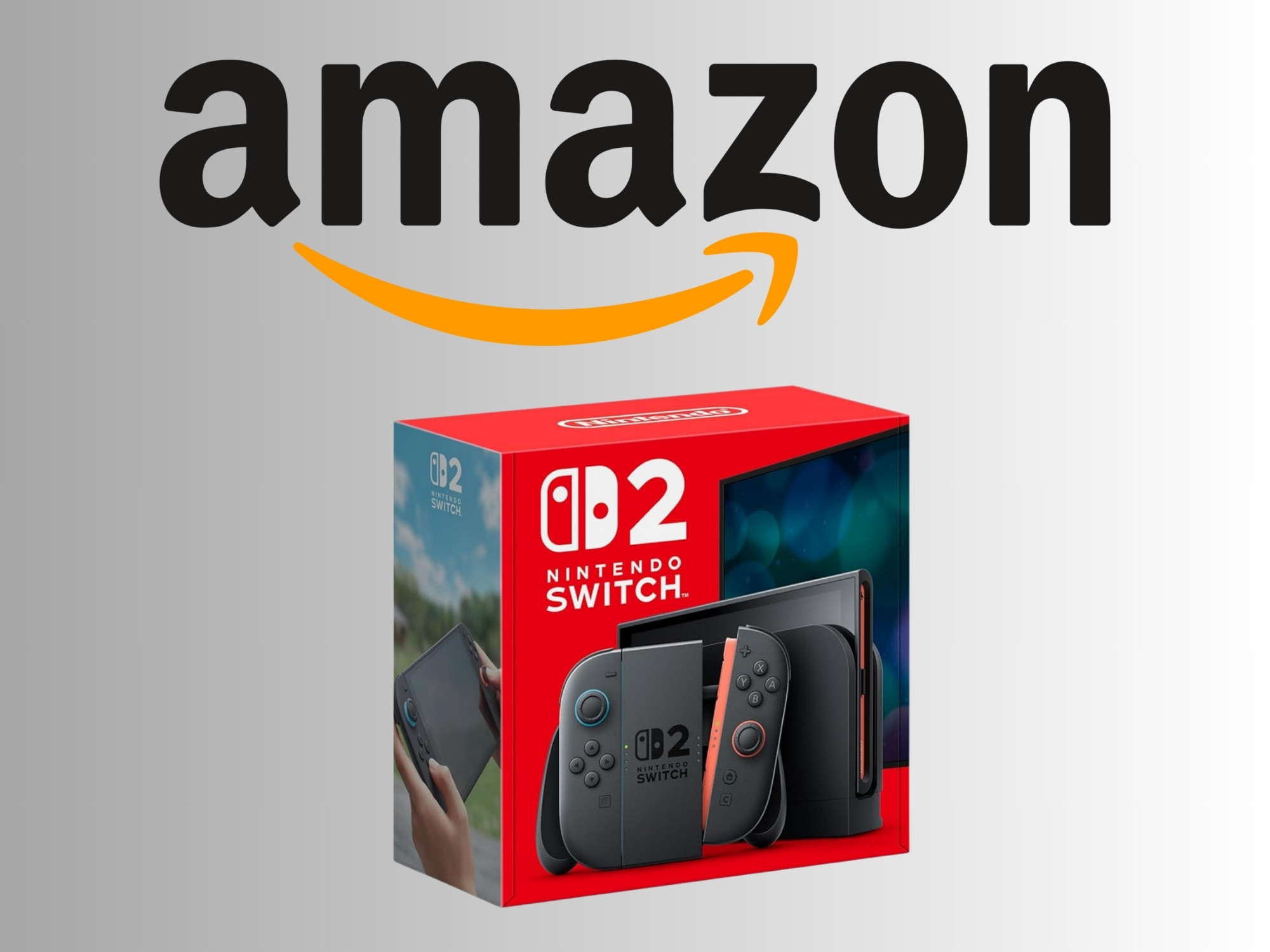
The highly anticipated Nintendo Switch 2 has finally made its debut on the U.S. Amazon platform, following a lengthy delay. Enthusiastic buyers can now snag an invitation to purchase the console at standard prices, with no sign of the rumored conflict between Nintendo and Amazon impacting availability.
After a rocky start with the Nintendo Switch 2 release date, the console has arrived on the U.S. Amazon site. Previously, the retailer had begun offering first-party Switch 2 games, leading to speculation that the console itself would soon follow. Now, gamers have the opportunity to order the system, though purchases are limited to those receiving an invite.
The pricing at Amazon remains consistent, featuring a $449.99 base option and a $499.99 Mario Kart World Bundle. Buyers interested in purchasing can request an invite and might receive a purchase link via email within 24 hours. Given the limited stock, potential buyers should act quickly to avoid disappointment.
When Nintendo’s latest console launched on June 5th, it was notably absent from Amazon.com in the U.S. However, it was available on other regional Amazon sites, like Canada and Germany. Meanwhile, U.S. retailers such as Best Buy, Walmart, and Target capitalized on additional pre-order sales.
Rumors circulated about a potential disagreement between Amazon and Nintendo, fueled by reports suggesting that Nintendo was against third-party sellers listing Switch 2 products. As of now, only Amazon itself is officially selling the console, dismissing these speculations.
Both companies have denied any rift, but skepticism remains among buyers. Amazon, known for its involvement in previous console launches like the PS5 and Xbox Series X, was expected to be a key player. The absence of the Switch 2 was puzzling, leading many to assume an underlying issue.
The frequency of Amazon’s restocks for the Switch 2 remains uncertain. Although Nintendo initially prepared a significant stock before launch, availability has been inconsistent. Thankfully, most regions aren’t facing the severe shortages seen in Japan, which may last until Spring 2026.