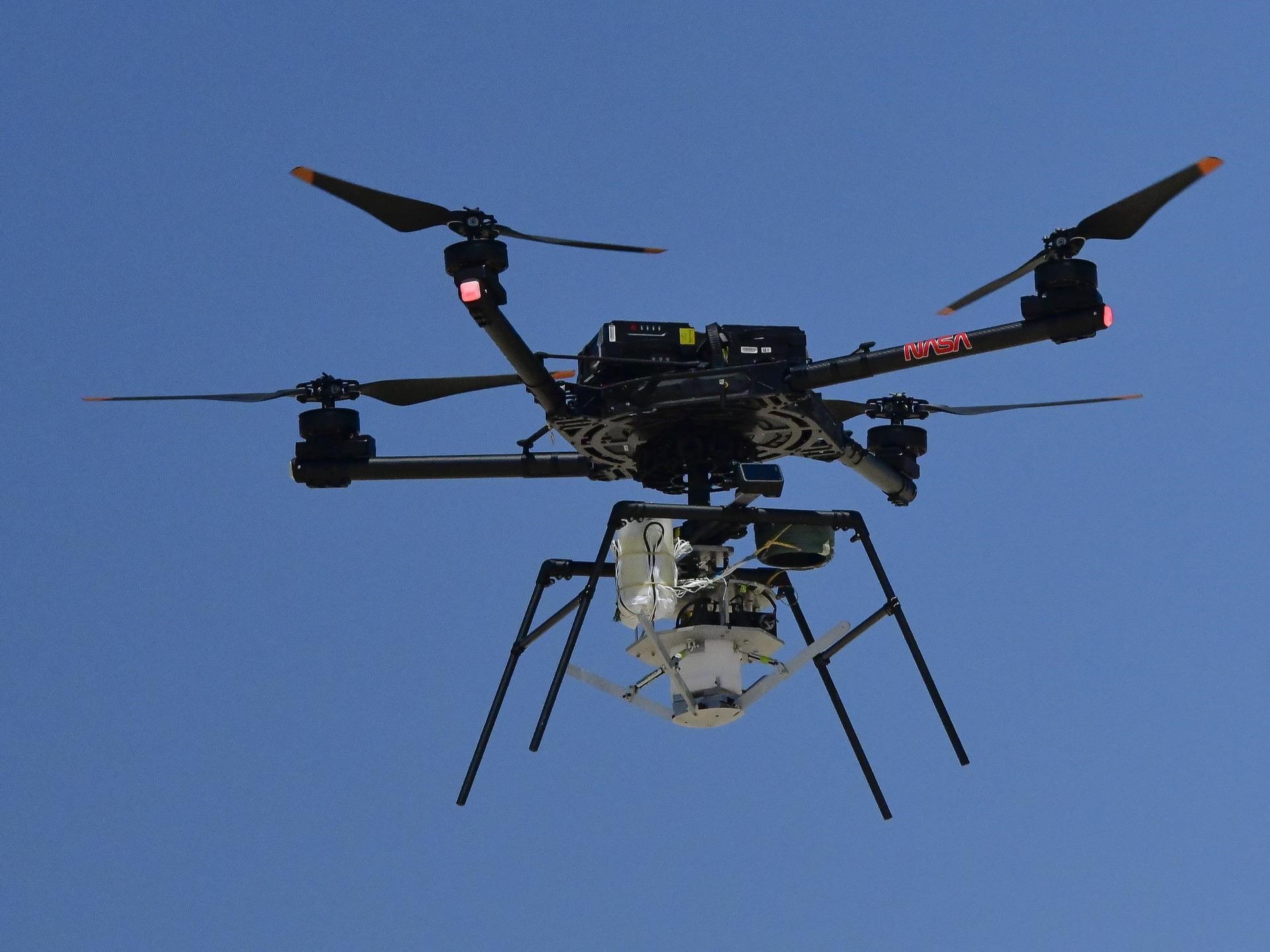
NASA is in the midst of an exciting phase of testing, focusing on enhancing the safety and reliability of Mars landings. Starting with 50 potential sensor candidates, the team whittled it down to the top three, choosing those that showed the most promise. These were subjected to rigorous ground-based experiments, such as pull tests and “bubble” tests, designed to mimic the 3D stretching of an inflating parachute, ensuring the sensors’ effectiveness before moving to actual flight evaluations.
According to Matt Kearns, the current project manager for EPIC, reviewing the data from these research flights will guide future steps. Discussions with potential partners are underway to establish a framework for obtaining crucial data for further research—a significant step towards creating a robust system for safer landings as space exploration enters a new era.
In addition to parachute testing, NASA is exploring other groundbreaking technologies. Among them is the development of an americium-based nuclear power source, which promises to extend the range of space exploration far beyond current capabilities. NASA is also exploring safer and more efficient air taxi travel, setting the stage for the future of urban transportation. Through these initiatives, NASA is paving the way for advancements that will redefine exploration both in space and in our skies.