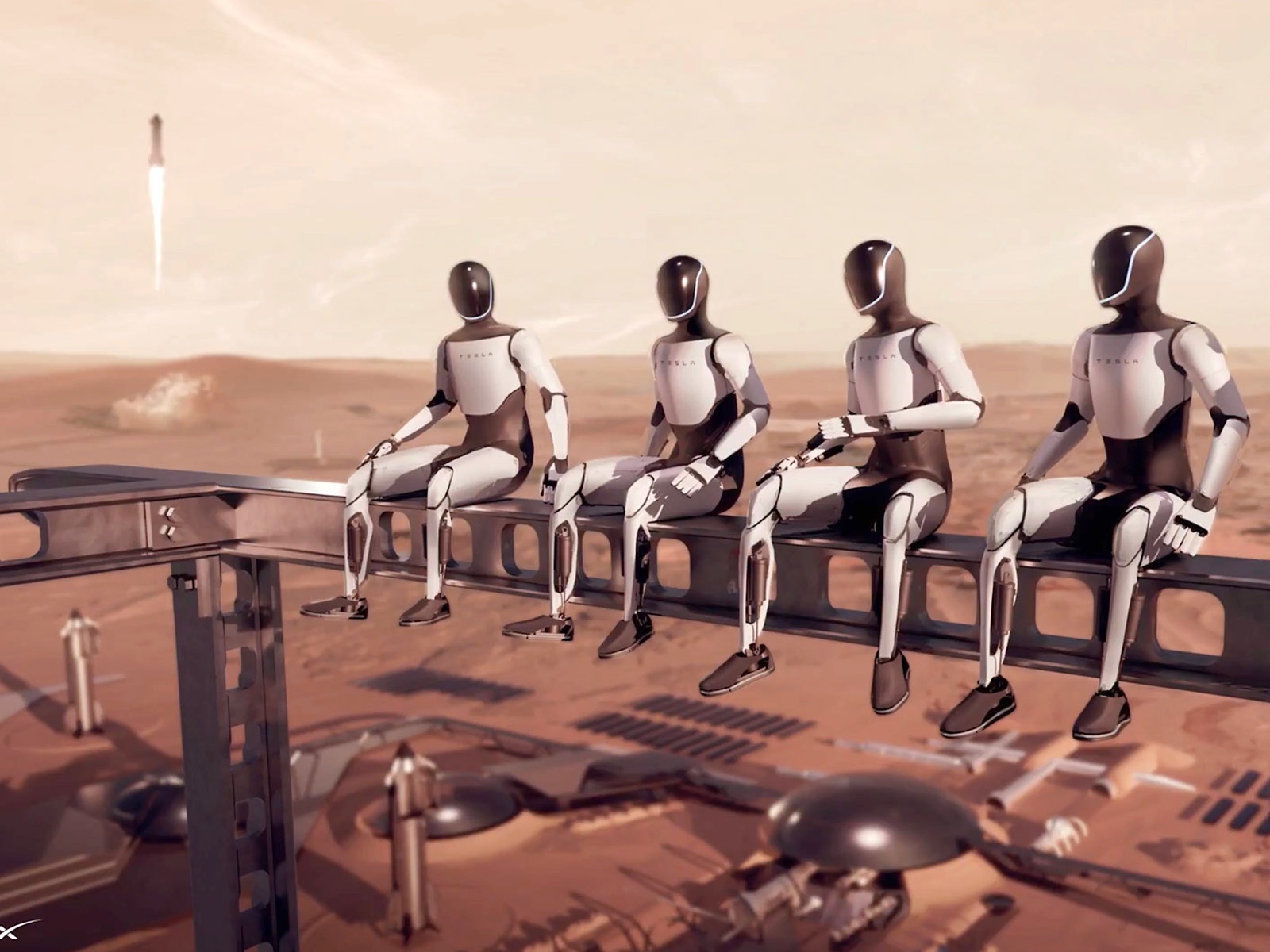
Elon Musk once dismissed a return to the Moon as a “distraction,” arguing that SpaceX should go straight for Mars. Now, with the realities of timelines, hardware readiness, and financing catching up, Musk is sounding far more practical—and the Moon is back at the center of the plan.
In his latest comments, Musk suggested that a true city on Mars isn’t achievable within the next 20 years. Instead of pushing a near-term Mars colonization narrative, SpaceX is expected to focus on supporting the creation of a Moon base. It’s a notable shift in tone and ambition, especially after recent promises that an initial Starship mission to Mars could begin as soon as 2026.
A big reason this pivot is attracting attention is that SpaceX’s grand Mars colonization roadmap has largely remained aspirational, and the next-generation Starship 3 rocket still hasn’t made its maiden flight. Reaching Mars requires more than hype: it demands a launch-ready vehicle, reliable in-space operations, and the ability to execute on a schedule that aligns with the narrow Mars transfer windows that open roughly every two years. Musk previously argued he didn’t want to wait until 2028, which is why 2026 became the target. But if Starship 3 isn’t ready in time, that window may be missed.
There’s also the money question—one that matters more than ever as Musk’s broader business ecosystem evolves. SpaceX is widely viewed as Musk’s strongest growth engine, supported by Starlink revenue and major government agreements. At the same time, his AI efforts have been described as capital-intensive, and he has leaned on the idea of synergies such as orbital data centers to justify closer ties between his space and AI ambitions. The implication is clear: a massive, high-risk Mars push that burns large amounts of cash with uncertain near-term returns could be a tougher sell to potential investors than a clearer, nearer-term Moon program tied to established funding.
That’s where NASA enters the picture. SpaceX has secured a major contract for a second crewed U.S. mission to the Moon, reportedly valued at around $4 billion. Contracts like this help explain why lunar infrastructure—closer to Earth, more achievable in stages, and backed by guaranteed payments—suddenly looks like the more strategic focus.
Even if a 2026 Mars attempt were technically possible, the cost would likely fall heavily on SpaceX itself. A test cargo mission to Mars would demand extensive development, repeated demonstrations, and a level of operational maturity that may not align with the company’s current readiness. From a business perspective, pouring vast sums into a mission with doubtful return on investment could complicate efforts to raise capital and maintain investor confidence.
Musk hasn’t completely abandoned Mars. He has suggested SpaceX could still begin meaningful Mars progress in “5 to 7 years.” But given his long history of aggressive timelines that later slip, a foundational Moon base may be the more realistic milestone—one that still advances deep-space capabilities without the extreme leap required for sustained Mars activity.
For space followers, the takeaway is that SpaceX’s near-term narrative is shifting from “Mars soon” to “the Moon first”—not necessarily because Mars is off the table, but because the Moon offers a more attainable path, stronger funding support, and a clearer story for the next phase of SpaceX’s growth.


