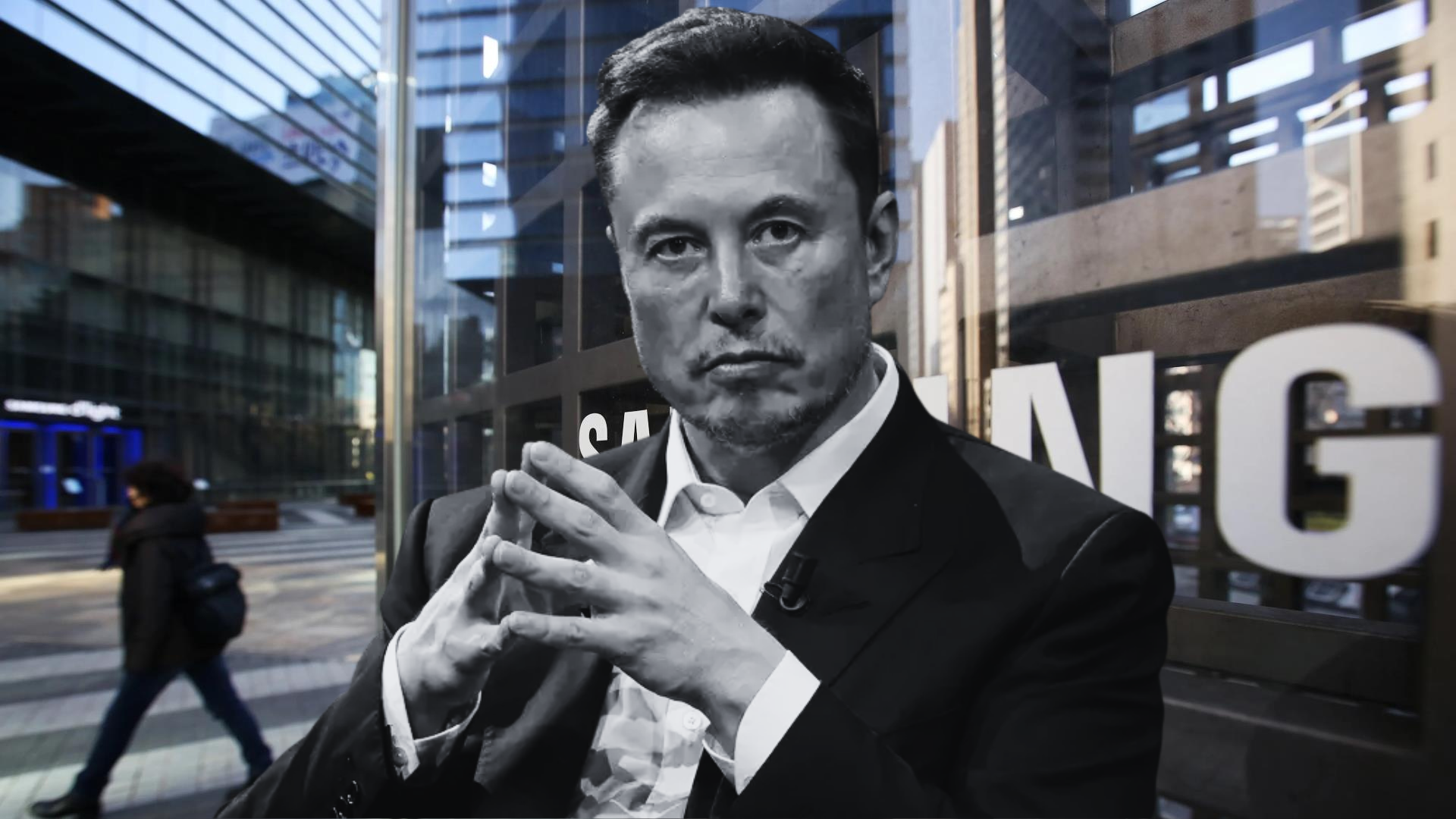
Elon Musk’s latest remarks signal a major win for Samsung’s chipmaking ambitions and a pivotal moment for Tesla’s AI roadmap. During Tesla’s Q3 earnings call, Musk confirmed that both Samsung and TSMC are producing the company’s next-gen AI5 chips, adding that Samsung’s Taylor, Texas fab is slightly ahead of TSMC’s Arizona facility. That’s a notable endorsement as Tesla expands beyond its previous single-source approach.
Key takeaways:
– Tesla’s AI5 chips will be manufactured by both Samsung and TSMC.
– Samsung’s Taylor fab is described as slightly more advanced than TSMC’s Arizona site.
– AI5 is claimed to deliver up to a 10x performance leap over AI4.
– Tesla previously relied on TSMC for AI5; Samsung’s involvement marks a deeper partnership.
– Tesla’s AI6 is aligned to Samsung’s SF2 (2nm) process and U.S.-based production.
This momentum builds on an earlier breakthrough: Samsung Foundry secured orders for Tesla’s AI6 chips, targeting the company’s SF2 (2nm) process. That agreement already elevated Samsung’s profile in cutting-edge AI silicon. Now, with AI5 split between Samsung and TSMC, the relationship appears to be strengthening further.
Musk’s performance claims are ambitious. He said AI5 could deliver up to ten times the performance of the previous AI4 generation—a staggering jump for a single generational shift. Such a leap suggests sweeping architectural changes. According to Musk, Tesla’s design team removed the legacy GPU block, likely replacing general-purpose components with dedicated AI tiles and kernels optimized for specialized workloads. He also referenced a “half a reticle” die size, pointing to a very large chip. In chip manufacturing, that implies a sizable package accommodating many more accelerator tiles and a significantly larger on-chip SRAM footprint—both key drivers of throughput and latency gains.
There’s also a strong manufacturing narrative unfolding in the United States. Tesla had already reached a deal for U.S.-based AI6 production with Samsung. With AI5 now in the mix, Samsung’s Taylor facility could see a ramp in volumes—especially since Musk wants an “oversupply” of AI5 to meet future demand. For Samsung, winning Tesla’s business is a strategic boost to its U.S. production efforts and a signal to other customers evaluating domestic advanced-node manufacturing.
What it means for the chip race is clear: Tesla is pushing hard for purpose-built AI silicon with aggressive performance targets, while diversifying supply to reduce risk and accelerate scale. Samsung’s growing role—alongside TSMC—underscores how critical advanced nodes, large-die designs, and specialized AI accelerators have become to next-generation compute. If the promised 10x uplift materializes, AI5 could mark one of the most significant generational jumps yet in Tesla’s custom AI hardware.