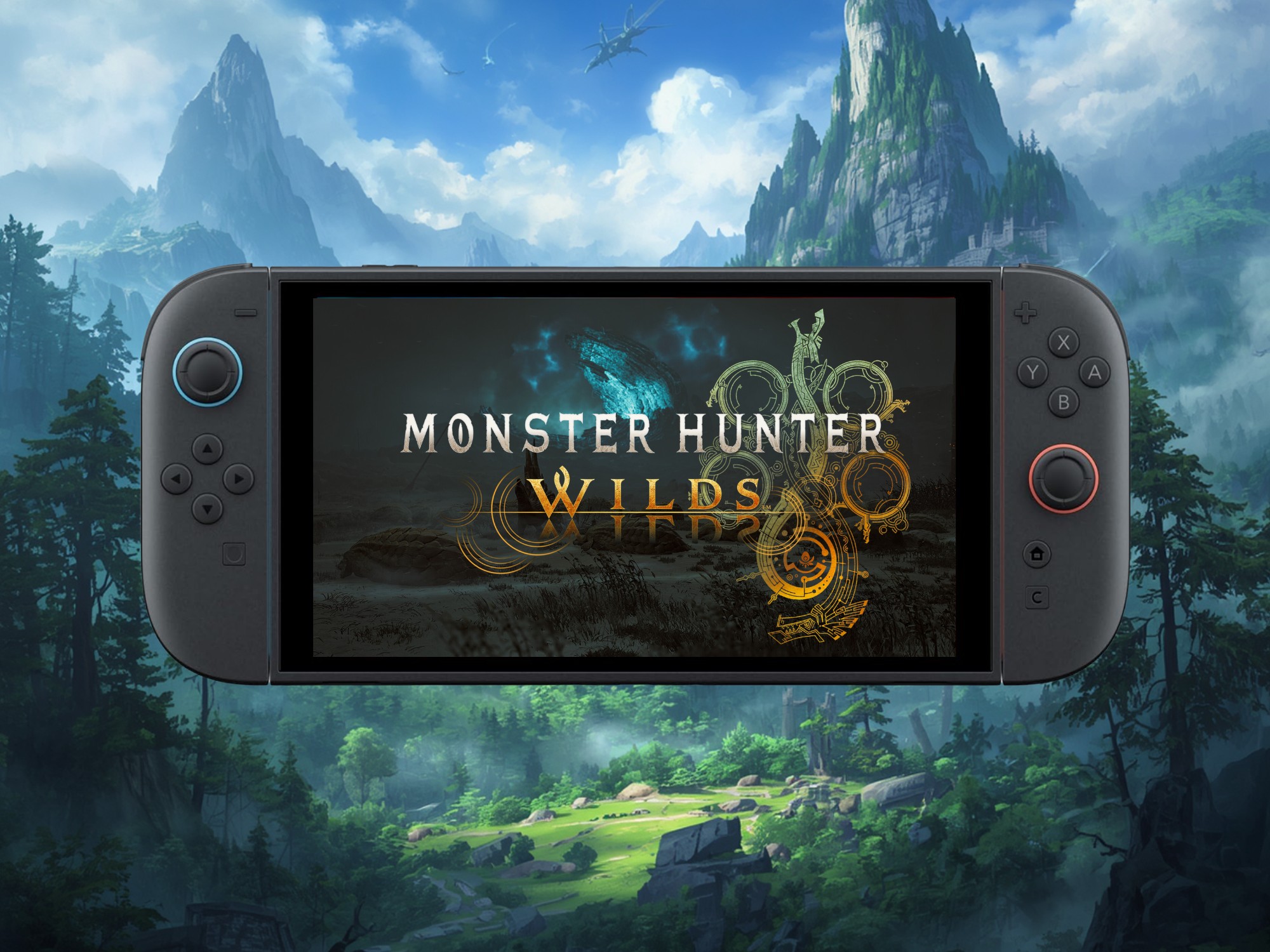
Monster Hunter Wilds Switch 2 Port Could Target 1440p in Docked Mode, New Datamine Suggests
Fresh datamined details are giving Nintendo fans a better idea of what to expect from Monster Hunter Wilds on Switch 2. Before Capcom officially acknowledged the Switch 2 version in June, hidden game data had already pointed to its existence. Now, newly uncovered code appears to reveal possible resolution targets for the upcoming port.
According to the latest findings, Monster Hunter Wilds on Switch 2 may support dynamic resolution scaling depending on how the console is being used. In docked mode, the game could render anywhere between 1080p and 1440p, making it a potentially sharp-looking experience on modern TVs and monitors. In handheld mode, the resolution range reportedly drops to 720p and 864p, which would still be reasonable for portable play on a smaller display.
Frame rate remains a bigger mystery. The leaked configuration data does not clearly confirm whether the Switch 2 version can reach 60 frames per second while docked. However, the handheld mode settings suggest performance may fall somewhere around 30 to 40 fps. While that may not satisfy players hoping for a high-refresh experience, it could still be acceptable if Capcom manages to keep gameplay stable during intense hunts.
Performance has been one of the biggest questions surrounding Monster Hunter Wilds on Nintendo’s next-generation hardware. The game is known for its large environments, complex monster behavior, and CPU-heavy design. Even on more powerful platforms, some players have reported issues such as stuttering, inconsistent image quality, and blurry visuals despite multiple updates. Because of that, many fans have wondered whether the Switch 2 would be able to deliver a smooth and visually satisfying version of the game.
One key piece of the puzzle may be DLSS upscaling. Earlier leaks suggested that Capcom could lean heavily on the technology to improve image quality and performance on Switch 2. DLSS allows developers to render a game at a lower internal resolution before using AI-assisted upscaling to produce a sharper final image. This can help demanding games run better on less powerful hardware, but the results depend heavily on the quality of the original image. If the native resolution is too low, visual clarity can still suffer.
Capcom has already shown interest in using modern upscaling techniques for its Switch 2 projects, so it would not be surprising if Monster Hunter Wilds takes a similar approach. If handled well, DLSS could help the game achieve a strong balance between detail, performance, and battery-friendly portable play.
The Switch 2 version may also include features designed specifically for Nintendo players. Previous datamined information reportedly referenced local wireless multiplayer, a feature that was especially popular in Monster Hunter Rise. This could be a major advantage in markets where portable local co-op remains a big part of the Monster Hunter experience, particularly in Japan.
As for the Monster Hunter Wilds Switch 2 release date, Capcom has not announced a specific launch window. Since the first signs of the port appeared in datamined files in late 2025, a holiday 2026 release could be a realistic possibility. However, the larger Ascendance expansion is expected in 2027, and launching the Switch 2 version alongside that major content update could give the game a significant boost.
For now, Nintendo fans will have to wait for official details from Capcom. Still, the latest leak paints a more promising picture than many expected. If the Switch 2 version can deliver up to 1440p docked visuals, stable portable performance, DLSS-enhanced image quality, and local multiplayer, Monster Hunter Wilds could become one of the most important third-party releases on Nintendo’s new console.