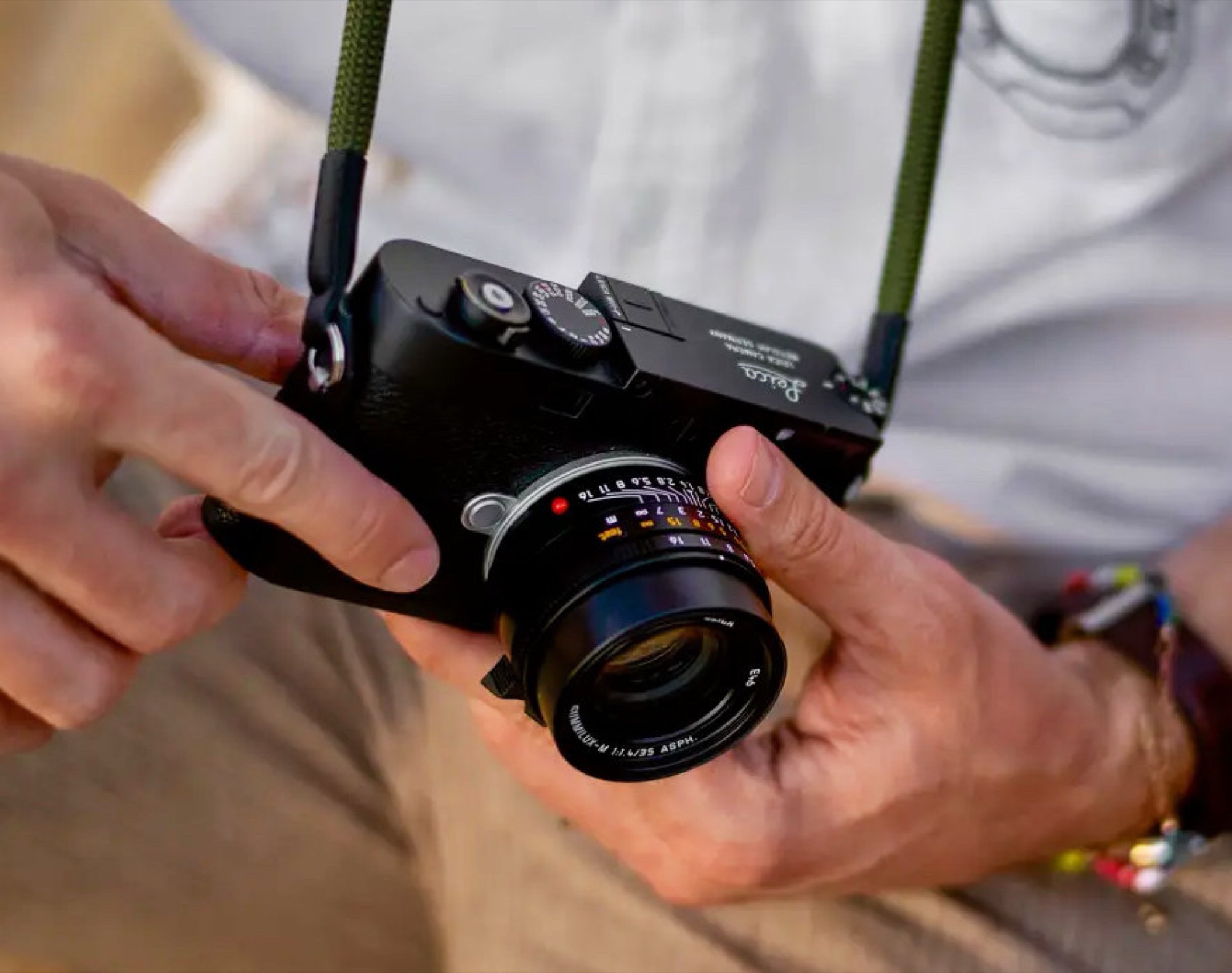
Leica Q3 Surges Ahead as the Brand’s Best-Selling Camera, Beating the M Series by a Wide Margin
Leica has long been known for keeping its sales numbers private, but a rare insight from the company has revealed something surprising: its most popular camera is not one of its legendary M models, nor is it from the SL lineup. It also is not one of Leica’s lower-priced options such as the D-Lux 8 or Sofort 2.
Instead, the Leica Q3 has become the brand’s best-selling camera.
The detail was shared during the launch event for the Leica SL3-P, where Leica marketing chief Andrea Pacella offered a glimpse into how the company’s different camera families are performing. According to Pacella, the Q3 has exceeded Leica’s own expectations, especially given its premium price and the shrinking role of traditional compact cameras in today’s smartphone-dominated world.
The Leica Q3 is far from an entry-level model. With a price in the range of more than $6,000, it sits firmly in luxury camera territory. Yet that has not stopped it from becoming a major success for the German camera maker.
One of the biggest reasons behind the Leica Q3’s popularity appears to be its fixed 28 mm lens. Leica believes this focal length helped make the camera feel familiar to a new generation of photographers, especially those coming from smartphones. Many phone cameras use a similar wide-angle perspective, so the Q3 offers an easy transition while delivering a much more premium shooting experience.
The camera’s design has also played an important role. From a distance, the Leica Q3 has a strong visual connection to the iconic Leica M rangefinder style. That gives buyers the classic Leica look and feel without requiring them to invest in a separate lens system or master the more traditional rangefinder shooting approach.
Perhaps the most striking detail is how far ahead the Q3 is compared with Leica’s historic M lineup. The Leica Q3 is reportedly selling more than twice as well as all Leica M cameras combined. For a company whose reputation is deeply tied to the M series, that is a significant shift.
Price may be one of the key reasons. While the Leica Q3 includes its fixed lens in a single package, a comparable Leica M setup can cost dramatically more. For example, pairing a Leica M11-P with a premium 28 mm Summilux lens can push the total close to $19,000. By comparison, the Q3 offers the Leica experience, full-frame image quality, and a high-end lens at a much lower overall cost.
Leica currently offers the Q3 in two main lens versions: the original 28 mm model and a newer 43 mm version. According to the information shared, more than two-thirds of buyers still choose the 28 mm Leica Q3, while the remaining customers go for the 43 mm variant.
The success of the Leica Q3 shows that there is still strong demand for premium compact cameras when the formula is right. While casual users may rely on smartphones for everyday photography, serious enthusiasts and luxury camera buyers continue to value dedicated hardware, tactile controls, premium optics, and the distinctive Leica shooting experience.
For Leica, the Q3 has become more than just a compact full-frame camera. It has turned into the company’s strongest sales performer and proof that a fixed-lens camera can still thrive in a market where many assumed compact cameras were fading away.


