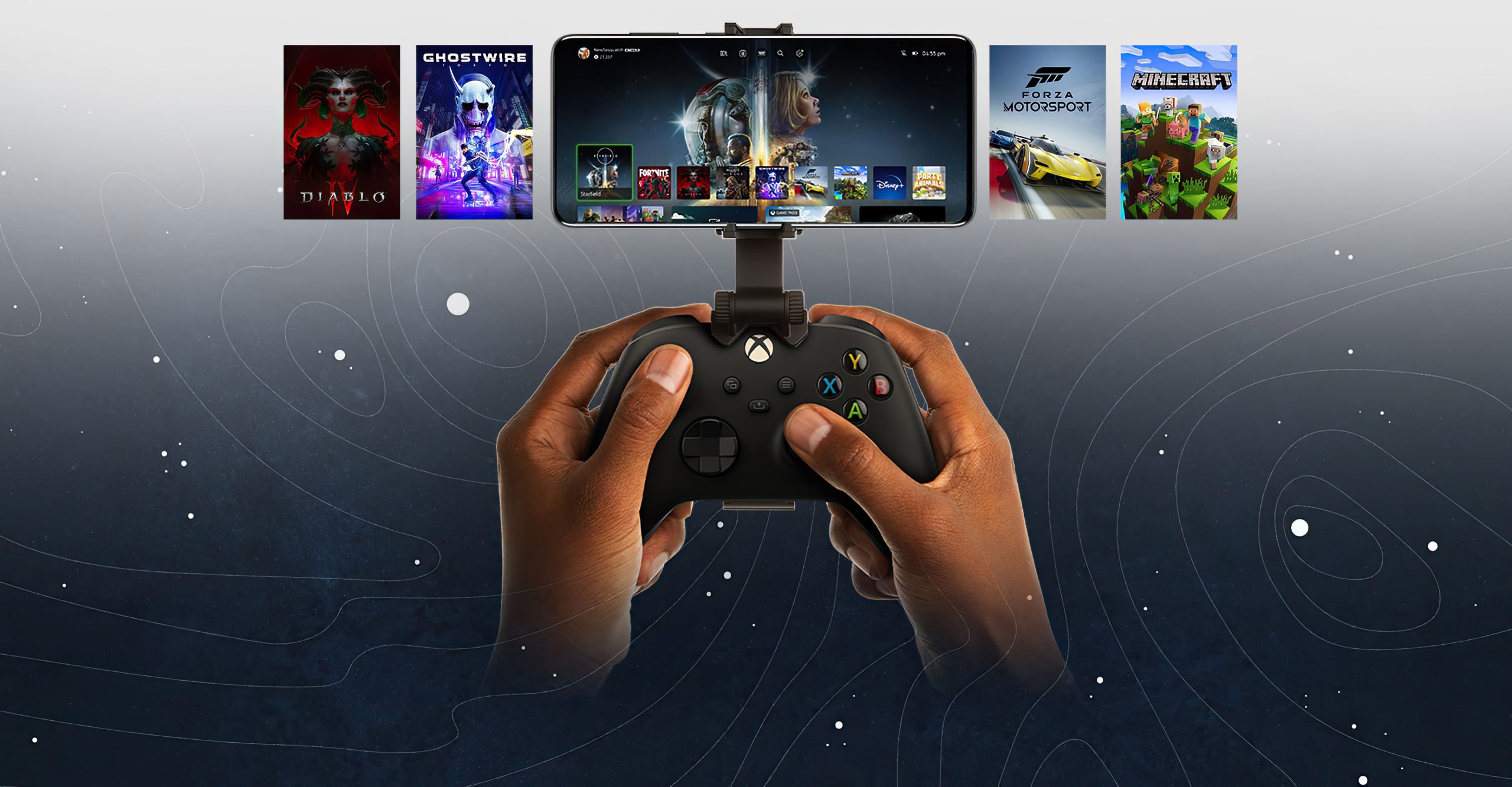
Over a year ago, whispers began to circulate that Microsoft had grand plans to establish an Xbox mobile store, and these rumors were not unfounded. Confirmed by Microsoft Gaming CEO Phil Spencer, this ambitious project aimed to change the way players access Xbox games on mobile devices. Microsoft first dipped its toes into mobile game sales via the web in July. However, their true aspiration was to offer games directly through an Android app.
Xbox president Sarah Bond mentioned that they were shooting for a November launch, but unfortunately, things didn’t go as planned. The unraveling of these plans was explained by Bond through a series of messages on Blue Sky.
Microsoft’s vision is to provide gamers with more freedom regarding how and where they play. This vision includes allowing users to purchase and play games directly from the Xbox app. The initial strategy was to roll out these capabilities via the Google Play Store in the United States. Yet, a recent temporary administrative stay imposed by the courts has stalled these efforts. Microsoft is ready to deploy the new features, just waiting for a green light from the legal system. They are keen to offer gamers new choices and enhanced flexibility.
The crux of the delay revolves around a legal challenge. Google has sought to block the feature on the Xbox app, citing Judge James Donato’s ruling that Android operates as an illegal monopoly as grounds for an administrative stay in advance of an appeal. Google has put forth its reasoning, stating that Microsoft has had the ability to sell Xbox games through its app on Android but has opted not to do so. According to Google, the rush by Microsoft to implement this feature threatens the security and reliability of the Google Play ecosystem. Google’s stance is that it’s committed to maintaining an equitable ecosystem for all.
On the other side of the argument, Epic Games’ founder and CEO Tim Sweeney didn’t shy away from speaking out. Sweeney criticized Google’s statement as misleading. His contention is that Google’s 30% service fee cuts deeply into game streaming profits, something Epic is all too familiar with after its own foray with the ill-fated Stadia platform. Sweeney has been a vocal advocate for opening up app stores, challenging the dominant duopoly held by Google and Apple. In a bid to carve out space for all, Sweeney has pushed for more inclusive store policies.
The Epic Games Store’s debut on mobile saw Fortnite return to iOS—albeit currently just in Europe—after weathering a challenging legal storm to make possible what many game developers have long demanded. With these developments, the stage is set for a deeper conversation on the future of mobile gaming ecosystems and their players.