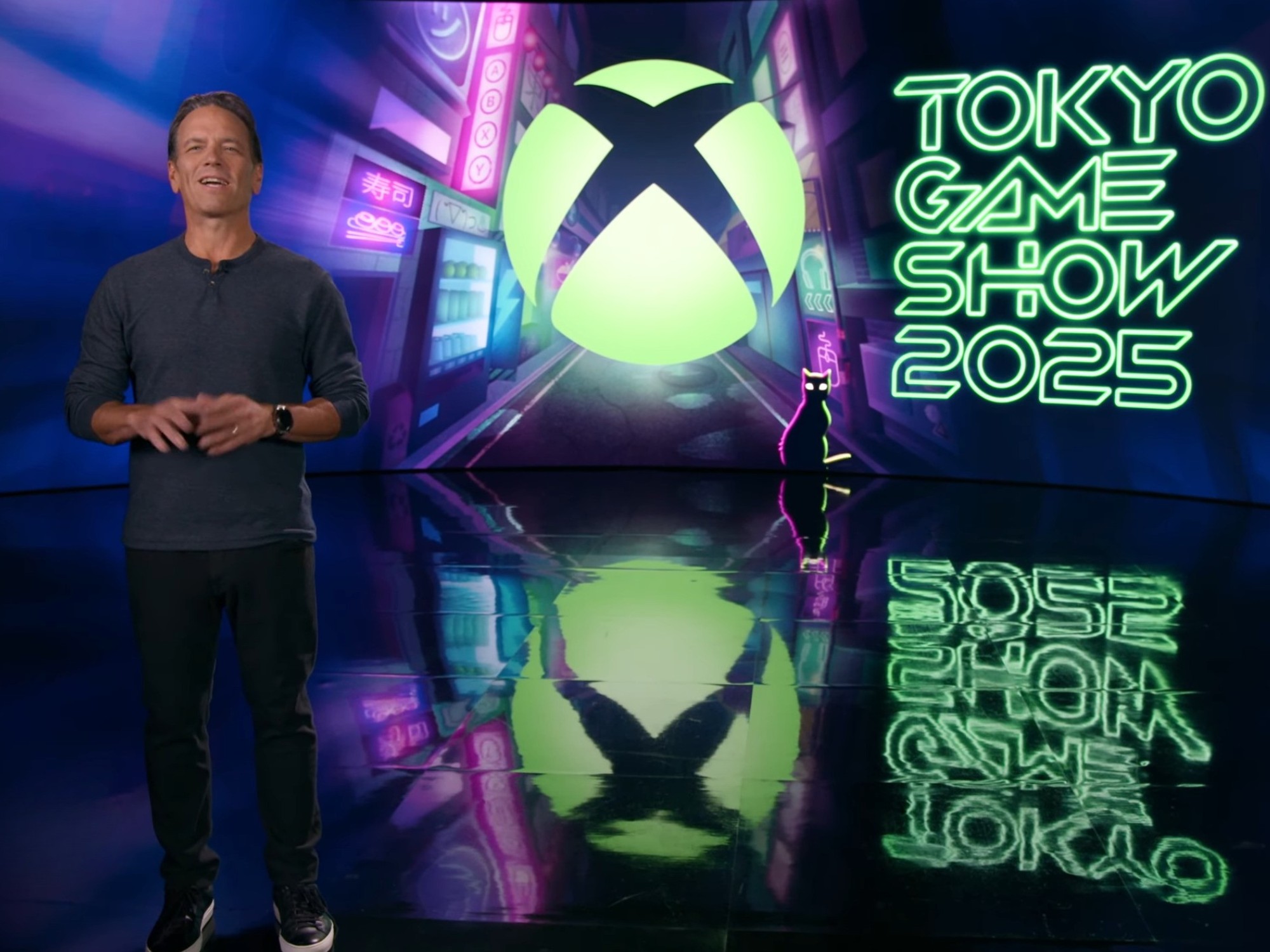
Phil Spencer says the next Xbox will be a true first-party console, built around a unified Xbox ecosystem
Confusion has been swirling around what Microsoft’s next gaming hardware will look like. Is it a traditional console, a branded handheld, or something closer to a compact gaming PC? In a recent interview during Tokyo Game Show, Microsoft Gaming CEO Phil Spencer drew a clear line: devices like the ROG Ally are made by Asus, but the next Xbox Microsoft announces will be a first-party system. He stopped short of sharing a release window, but the message was unmistakable—Xbox hardware isn’t going away.
This direction lines up with recent comments from Xbox President Sarah Bond, who described upcoming hardware as very premium and very high-end. Spencer also hinted that the new system will lean into Xbox’s broader strategy: the Xbox software platform evolving into a single, connected ecosystem across console, PC, and the cloud.
If you’ve followed Xbox’s recent moves, that approach makes sense. Windows 11 handhelds such as the ROG Ally and the Ally X already run Game Pass, and they tap into PC storefronts like Steam. Expect the next Xbox to embrace that same cross-platform flexibility. One notable twist: Spencer suggested that exclusive games may not be the priority for convincing players to buy the next console. Instead, Microsoft appears focused on delivering a seamless experience that treats console, PC, and cloud as parts of one platform.
What the hardware might be
Industry chatter suggests Microsoft is working with AMD on a next-gen system, with rumors pointing to an APU reportedly codenamed Magnus. Some leakers claim AMD is shouldering much of the engineering workload. That has fueled speculation that the next Xbox could look and feel a lot like a tightly integrated gaming PC—potentially with a price tag above today’s Series X and even the next PlayStation generation. None of this is confirmed, and Microsoft hasn’t discussed specs, pricing, or a timeline.
Why this matters
– First-party commitment: Despite partnering with OEMs on Windows handhelds, Microsoft says its next Xbox will be a first-party console.
– One ecosystem, many devices: Expect deeper ties between console, PC, and cloud, with Game Pass at the center.
– Fewer traditional exclusives: If exclusives aren’t the hook, Microsoft will need to win on performance, value, services, and a frictionless experience.
– Premium positioning: Leadership is signaling high-end hardware, which could mean higher costs—but also a significant leap in capability.
– Ongoing global push: Spencer discussed growing Xbox’s presence in Japan, a market where compelling hardware and portability are key.
What to watch next
– Form factor: Tower console, compact box, or something more modular?
– Silicon details: Will AMD’s rumored APU deliver a major jump in ray tracing, AI-assisted upscaling, and efficiency?
– Price strategy: A premium device may command a premium price—how does Microsoft balance power with mass-market appeal?
– Software vision: If exclusives take a back seat, expect stronger day-one Game Pass support, cross-buy, cross-save, and tighter Windows integration.
– Release timing: Microsoft isn’t ready to talk dates yet, but development signals point to a new generation on the horizon.
Bottom line
Microsoft is doubling down on hardware while redefining what an Xbox can be. The next console will be first-party, high-end, and deeply integrated with PC and cloud. If Microsoft executes, players could get the best of all worlds—console simplicity, PC openness, and cloud flexibility—without being locked to exclusives. The big questions now are price, performance, and how soon we’ll get to see it.


