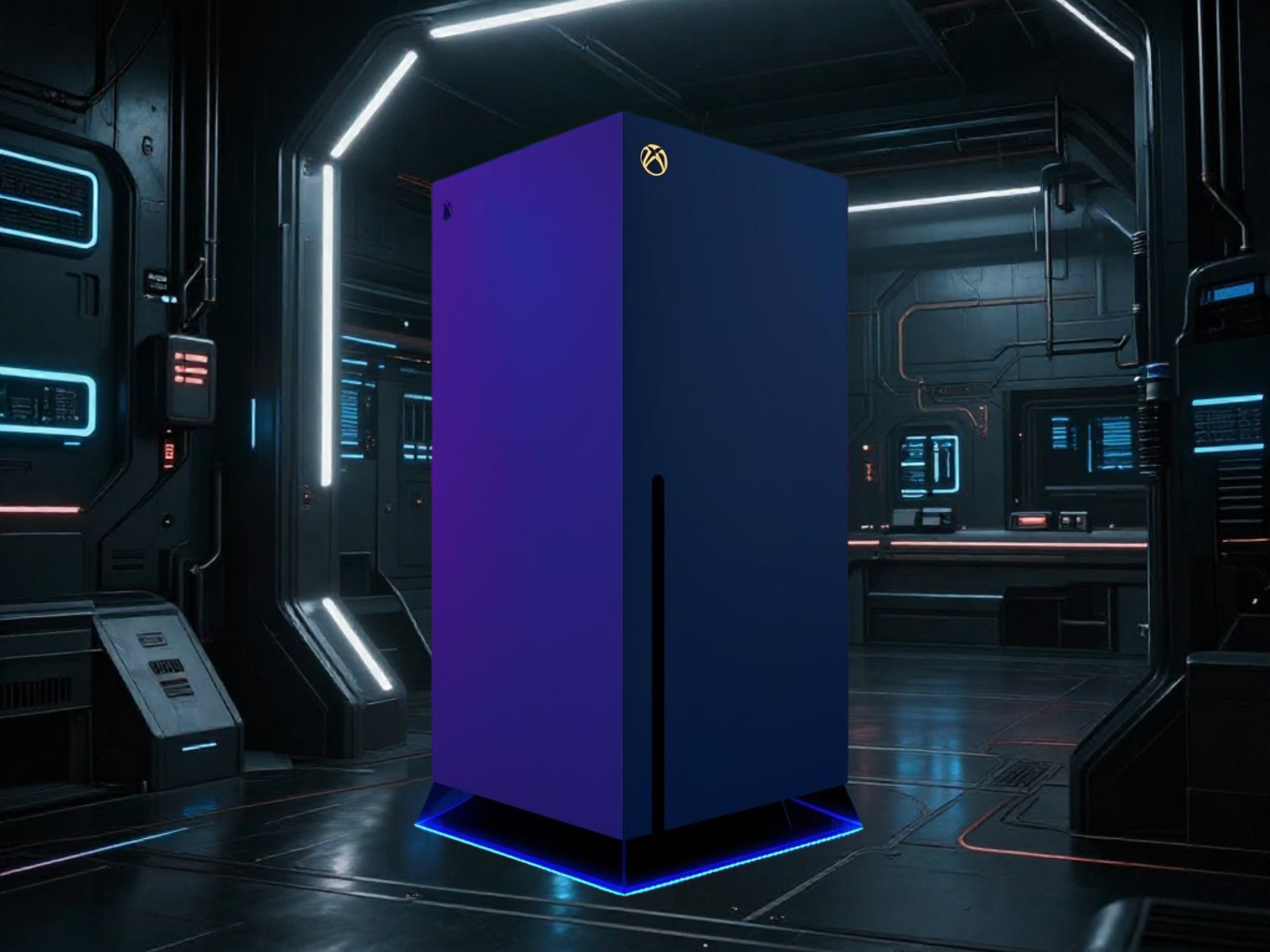
Microsoft’s next-generation Xbox plans may be bigger than a single “make-or-break” console. Even as some analysts question whether Project Helix could be the final first-party system the company ever ships, a well-known industry insider says that isn’t the direction Microsoft is heading. In his view, Helix is simply the next step, not the last one—and additional Xbox hardware is already on the horizon.
An insider says more Xbox consoles are coming after Project Helix
On a recent gaming podcast, insider Jez Corden pushed back on the idea that Microsoft would exit the console business after Project Helix. He said he’s confident Helix won’t be the final Xbox console and that Microsoft will continue producing new systems. That outlook matches recent messaging from Microsoft Gaming CEO Asha Sharma, who has emphasized that hardware is still a key part of the brand’s future.
Xbox handheld rumors are heating up
One of the most interesting possibilities beyond Project Helix is an Xbox handheld. While it wasn’t directly discussed in that same podcast conversation, Corden has previously reported that a dedicated portable Xbox device is in development. The key detail: this would likely be a Microsoft-designed handheld rather than a partner-built product.
The expectation is that, like Project Helix, a handheld Xbox could rely on a Windows-based foundation. That would make it easier to integrate PC-style storefronts and services while still keeping Xbox features and branding front and center. It would also fit neatly into Microsoft’s broader strategy of unifying gaming across console, PC, and portable devices.
Project Helix release timing and what we know so far
While Microsoft hasn’t confirmed a launch date, earlier chatter suggested that a handheld could arrive around the same general window as Project Helix. The hybrid console itself is widely rumored to be developed in collaboration with AMD, and AMD CEO Lisa Su has hinted at a possible 2027 timeframe for the device’s debut.
If Microsoft sticks to that schedule, it points to a longer-term roadmap rather than a “one last console” approach. It also suggests Microsoft may be preparing multiple form factors—living-room hardware and portable hardware—to support the same ecosystem.
Is Project Helix a turning point for Xbox hardware?
Despite the insider optimism, not everyone believes the future is secure. Game consultant Dr. Serkan Toto has floated the idea that Project Helix could be Microsoft’s last serious effort to make the Xbox hardware business work. His argument is straightforward: if the next machine fails, industry confidence in another follow-up could evaporate.
That makes Project Helix feel like more than just a routine console refresh. It may be judged less on specs and more on momentum—whether it can meaningfully grow the audience, attract consistent third-party support, and prove that Xbox hardware can thrive alongside Microsoft’s expanding software-and-services strategy.
Competition won’t be easy, especially in portable and PC-style consoles
Microsoft also won’t be operating in a vacuum. Any Windows-leaning hybrid console or handheld will face serious pressure from Valve’s ecosystem, and Sony will remain a major factor as the industry looks toward the next PlayStation era.
Some observers believe Valve could be the more direct threat, largely because both approaches center heavily on PC games and flexible libraries. But that same PC-leaning audience hasn’t always embraced traditional living-room console habits, which creates an extra challenge for any hybrid concept trying to appeal to both console players and PC players.
There are also practical hurdles, including memory and cost. The next wave of systems is expected to push premium pricing, and Microsoft’s own leadership has already indicated that its upcoming hardware may sit at a higher tier.
Microsoft says consoles still matter—but profits may decide the next step
Sharma has made it clear that consoles remain central to the Xbox identity. Still, business realities will ultimately shape what happens after Helix. Following the mixed results of the Xbox Series X|S era, Microsoft’s next hardware generation may need to prove—quickly—that it can deliver not only great performance and features, but also sustained profitability.
For now, the biggest takeaway is this: Project Helix may not be the end of Xbox hardware. If insiders are right, Microsoft is planning a longer runway that could include both a new hybrid console and an Xbox handheld designed to extend the brand into true on-the-go gaming.


