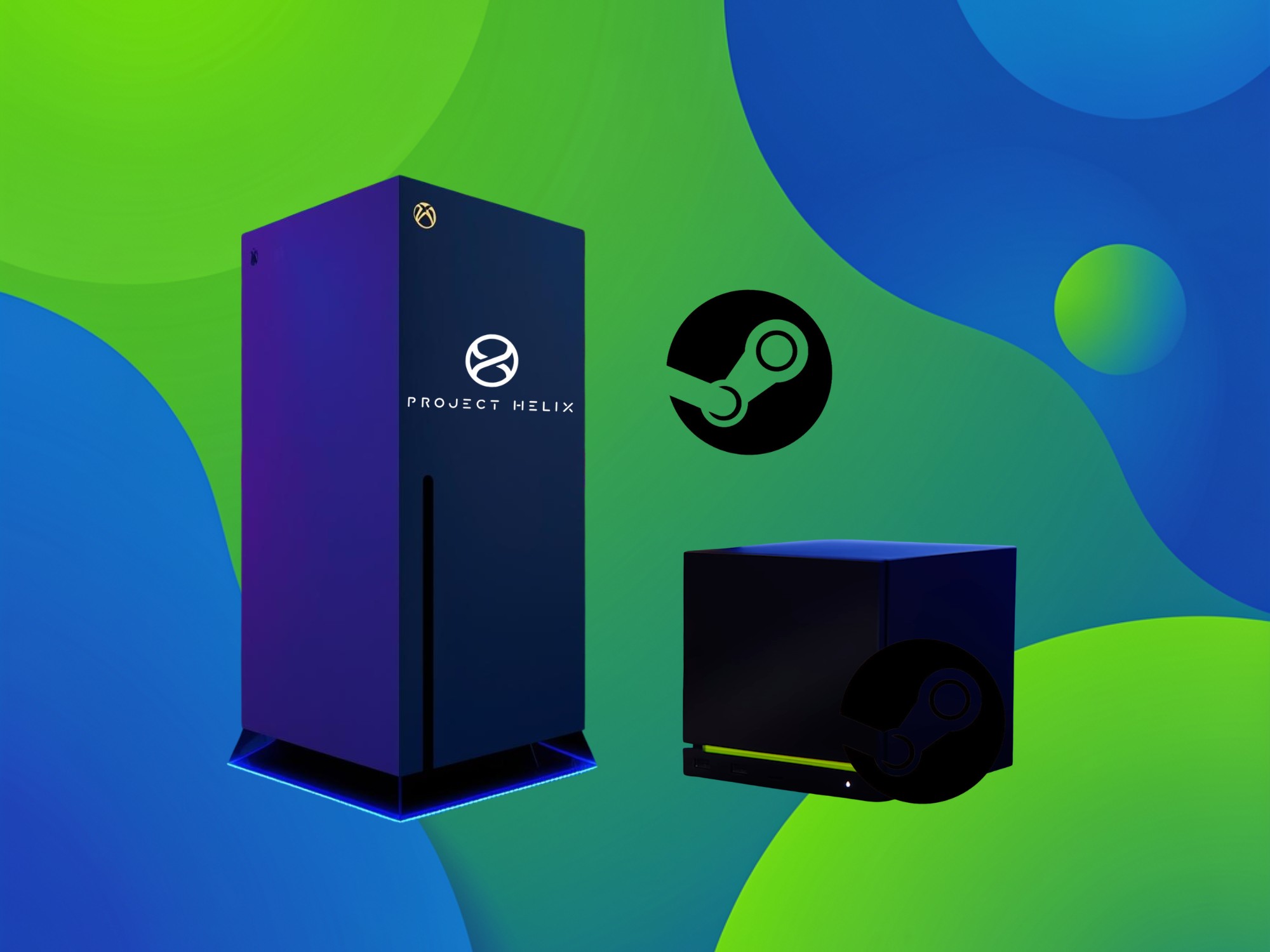
Project Helix is shaping up to be a defining moment for Xbox, and some industry watchers believe it may determine whether Microsoft stays in the console hardware race at all. Announced by Microsoft Gaming CEO Asha Sharma as the codename for the next Xbox console, Helix is being positioned as a machine that will satisfy longtime fans, but its true audience and competitive target are still being debated.
One prominent game industry consultant, Dr. Serkan Toto, argues the next Xbox shouldn’t be built primarily to take on the PlayStation 6. Instead, he believes Microsoft’s more immediate and realistic rival is Valve’s living-room-friendly PC-style console concept, often associated with a Steam-focused ecosystem. In Toto’s view, a big part of Helix’s challenge is that it may end up sharing a lot of the same game overlap as PC platforms, making it harder to stand out unless Microsoft gives players a clear reason to choose Xbox hardware.
The stakes, according to Toto, are enormous. He suggested that if Microsoft’s next console effort doesn’t perform, it could be the company’s last serious attempt to make its console hardware business work. In other words, Helix isn’t just another generation upgrade—it could decide the long-term future of Xbox consoles.
Why Helix might be competing with PC-first living room systems more than PS6
Reports indicate Project Helix could run a modified version of Windows, a direction that would naturally appeal to PC gamers who want a console-style experience in the living room. That approach also makes comparisons to Valve’s SteamOS-based hardware strategy almost inevitable: both concepts aim to make PC gaming feel more like a traditional console experience, with easy access to large libraries and familiar storefronts.
But Toto’s key point is that copying the convenience of a PC console isn’t enough. If both systems offer similar access to broadly available games, Microsoft needs a competitive advantage that isn’t just raw performance or a nicer interface.
The biggest unanswered question: full Xbox game compatibility
For core Xbox fans, one of the most important factors could be how well Helix supports existing Xbox libraries. Toto argues that “better and broader native support of Xbox games” is essential if Microsoft wants to keep loyal players from drifting away.
Microsoft has hinted at solutions that could help current-gen and older-gen titles run on the new hardware, but there are trade-offs no matter which path it chooses. Emulation could expand access, but it comes with technical challenges and potential licensing complications. Cloud gaming is another possibility, yet latency and connectivity concerns can make it feel less reliable than local gameplay—especially for competitive or fast-paced titles.
Will Xbox exclusives return as a key weapon?
Microsoft’s strategy in recent years has leaned heavily toward cross-platform releases, with many games launching across PC storefronts and current Xbox consoles, and sometimes even arriving on rival platforms at or near release. That broader availability can be great for players, but it also raises a hard question: if the same games are available elsewhere, why buy an Xbox console?
One potential answer is a renewed push for true Xbox exclusives—games that can’t be played on Windows- or Linux-based systems. Toto suggests exclusives could be the platform-specific hook that gives Helix a clearer identity and makes it more than just “a PC in a console box.” Exclusive titles have historically been a major reason people choose one console over another, and they could become central again if Microsoft wants Helix to stand apart from Valve’s ecosystem.
Specs, performance, and price pressure
On the hardware side, Helix is rumored to use a Magnus APU and target high refresh-rate 4K gaming, suggesting Microsoft wants the next Xbox console to feel like a powerhouse built for premium performance. By comparison, Valve’s competing hardware concept—often associated with an RDNA 3-class GPU—may not consistently hit the same high-end targets in the most demanding new releases.
That performance gap could help Helix, but it may come with a downside: pricing. If Helix is significantly more expensive than Valve’s alternative, budget-conscious players may be tempted to choose the cheaper system—especially if the game libraries look similar on the surface.
A fight for both PC and console players
Even if Helix ends up competing more directly with PC-leaning living room systems, it can’t ignore the bigger picture. The PS6 will still be the major traditional console competitor in the next generation, and both Microsoft and Valve will need to attract not only PC gamers, but also console-first players who value simplicity, strong exclusive games, and frictionless access to their libraries.
Ultimately, Project Helix may succeed or fail on a simple point: whether it offers something you can’t get elsewhere. Strong native Xbox game support, a clear plan for backward compatibility, and meaningful platform-exclusive experiences could be what turns Helix into a must-buy console rather than just another way to play the same games.