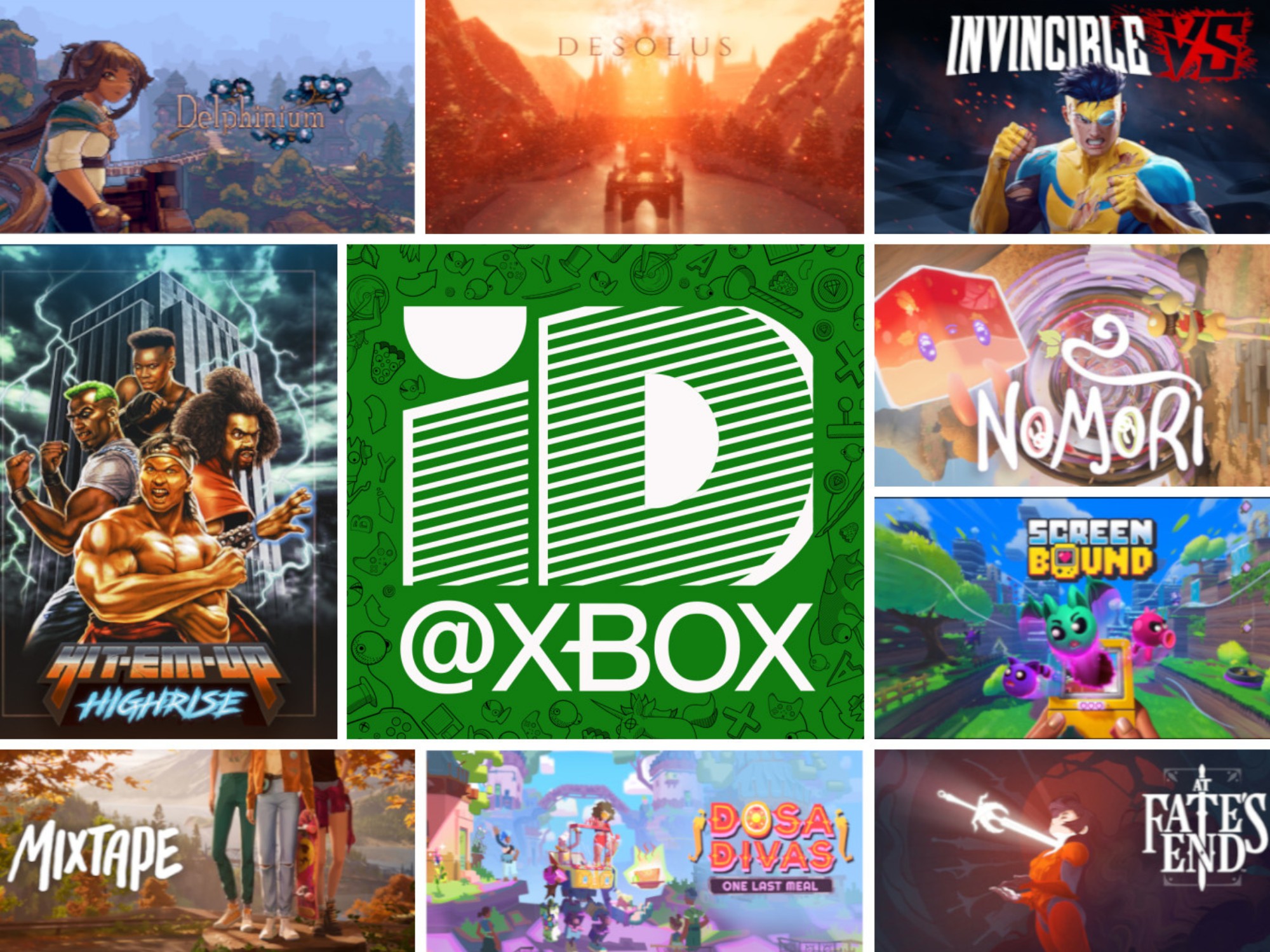
Microsoft is gearing up to make its next-generation Xbox platform, Project Helix, especially appealing to independent game developers, with dev kits expected to start shipping in 2027. While Steam remains the go-to launchpad for many smaller studios thanks to its massive built-in audience, Microsoft believes indie teams could see stronger results by embracing Helix and the broader Xbox ecosystem.
At GDC 2026, Guy Richards, the Director of ID@Xbox, discussed how indie development could fit into the Project Helix vision. Plenty of details about the hardware are still under wraps, including how exclusives might factor in and whether every title will be fully Windows-compatible. Even so, the core message was clear: building with PC compatibility in mind should make it easier for studios to support Helix hardware when it arrives.
A major talking point is the possibility that Helix could support multiple PC storefronts, including Steam and other marketplaces. If that turns out to be true, some developers could continue selling directly through those platforms rather than fully committing to Microsoft’s store and app environment. But there’s a trade-off. Games that stay outside Microsoft’s ecosystem could miss out on Xbox storefront presence and features tied to Microsoft’s cross-platform strategy, such as Play Anywhere-style functionality.
So why would an indie developer consider going beyond Steam in the first place?
Richards argues for a “build once and ship everywhere” approach, positioning Microsoft’s Game Development Kit (GDK) as the key to expanding reach. Instead of targeting a single storefront or device category, Microsoft is pitching a future where a game can launch across PC, the next Xbox console, handhelds, and even smart TVs. The idea is simple: broader availability can translate into more discovery and more sales opportunities.
Richards also pointed to encouraging signs already happening within the Xbox partner ecosystem. According to him, more partner developers than ever are earning at least $100,000 per project. That figure may not sound huge by big-studio standards, but in the indie world it’s a meaningful benchmark—especially when compared with how crowded the Steam marketplace is, where only a small portion of indie releases break through to that level of success.
Of course, Microsoft still faces an uphill battle on PC, where Steam remains dominant. There are also questions about whether Microsoft’s cross-device ownership model truly boosts revenue, since it can reduce the need for players to buy the same game multiple times on different devices. And for some indie titles, Steam’s familiar pricing and promotion structure may be a better fit than a subscription-driven model like Game Pass.
Even with those challenges, Microsoft’s pitch to indie developers is straightforward: Project Helix isn’t just about a new console—it’s about reaching more players across more screens with less friction. For studios trying to stand out in an increasingly competitive market, that promise of expanded distribution could be the advantage that makes Helix worth serious consideration.


