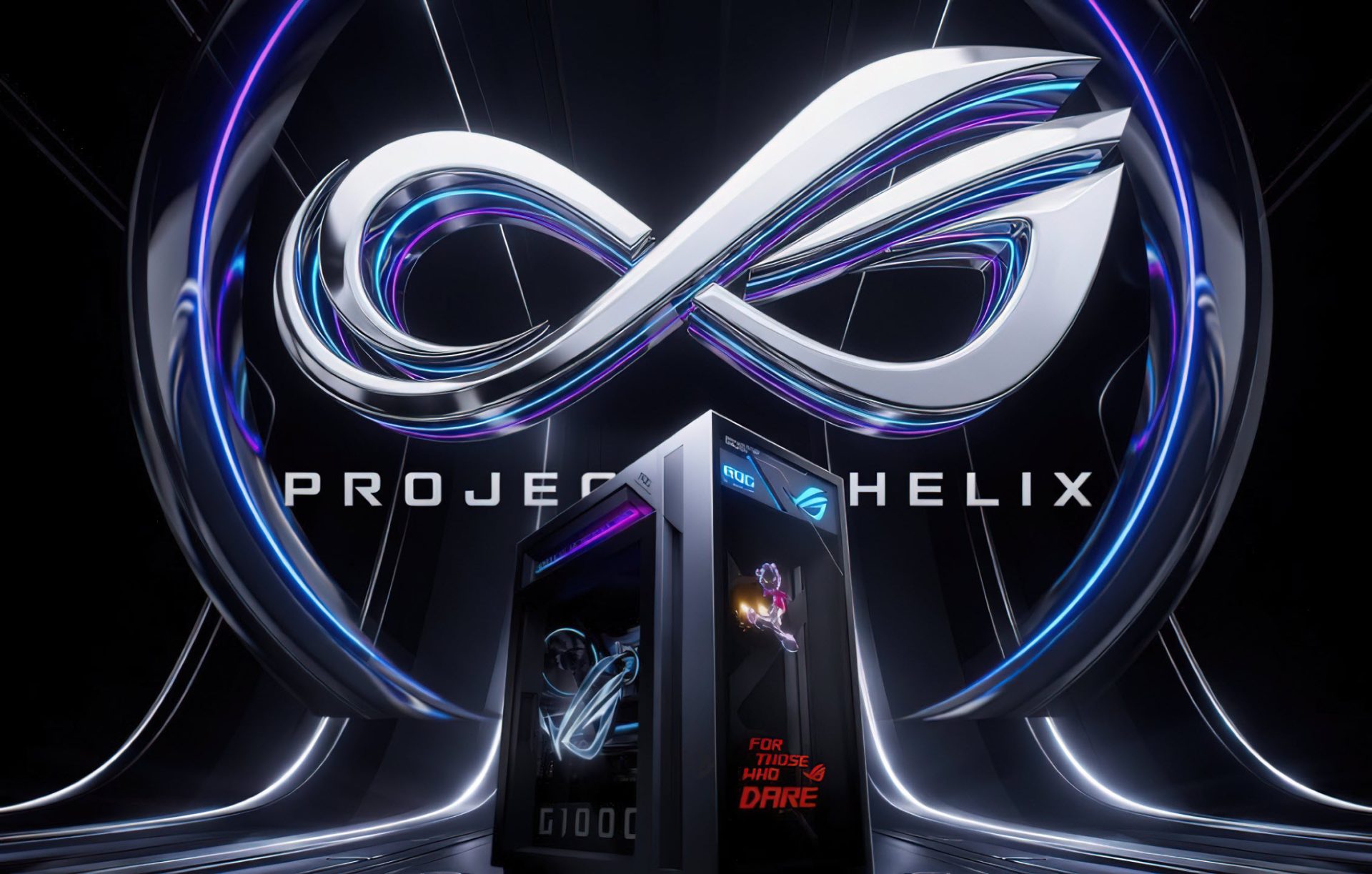
A fresh wave of rumors suggests Microsoft’s next-generation Xbox plans may be bigger than a single console launch. According to recent chatter around “Project Helix,” the internal codename for the custom system-on-chip (SoC) believed to power the next Xbox, Microsoft could be preparing an ecosystem that spans both an official first-party console and partner-built machines from major PC manufacturers.
At the heart of the discussion is Microsoft’s ongoing work with AMD on the Project Helix SoC. The chip is rumored to include support for FSR Diamond, described as a new upscaling technology with heavy AI-focused upgrades tied to neural rendering. If accurate, that would position the next Xbox platform to lean even further into machine learning-driven graphics enhancements, potentially improving image quality and performance in demanding games.
What’s fueling the latest excitement is a claim that Project Helix won’t be limited to a single Microsoft-made console. Instead, PC OEMs such as ASUS and MSI are rumored to be exploring their own custom hardware designs built around the Helix SoC. In other words, you could eventually see multiple “Xbox-like” devices on store shelves—machines that feel like consoles, but may be developed and branded by Microsoft’s hardware partners.
The idea isn’t entirely out of left field. The gaming market has already been moving toward hybrid designs that combine PC flexibility with a console-style living room experience, including devices that emphasize a streamlined interface and tight integration with Xbox services. If OEM-built Project Helix systems become real, they could offer console-like simplicity while still benefiting from the PC manufacturing ecosystem—things like varied form factors, different cooling designs, and potentially multiple price tiers.
Exactly how deep Microsoft’s collaboration with these OEMs might go remains unclear. However, the rumored approach suggests a more open hardware strategy than the traditional single-console model, where one device design defines an entire generation. With partners able to create their own versions, Microsoft could expand its reach across both the console and PC markets, meeting players wherever they prefer to game—desk, couch, or handheld-style setups.
There is one important limitation mentioned in the rumor: the Project Helix SoC reportedly won’t be sold as a standalone chip for DIY PC builders. So even if the Helix silicon is real and impressive, it likely wouldn’t be something enthusiasts could simply buy and drop into a custom home-built system. Instead, access would come through complete devices sold by Microsoft and/or approved partners.
None of this cancels the expectation of a traditional first-party Xbox console. The rumor still points to Microsoft producing its own official hardware built on Project Helix, with partner devices acting as an additional route rather than a replacement. If this turns out to be true, the next Xbox era could look less like a single box under the TV and more like a family of systems that share the same core technology and software experience.
For now, it’s all unconfirmed, and it may be a while before anything becomes official. But if Microsoft does move forward with an Xbox platform that includes both its own console and OEM-designed alternatives, it could reshape how console generations work—offering more choice in hardware without splitting the overall gaming ecosystem.