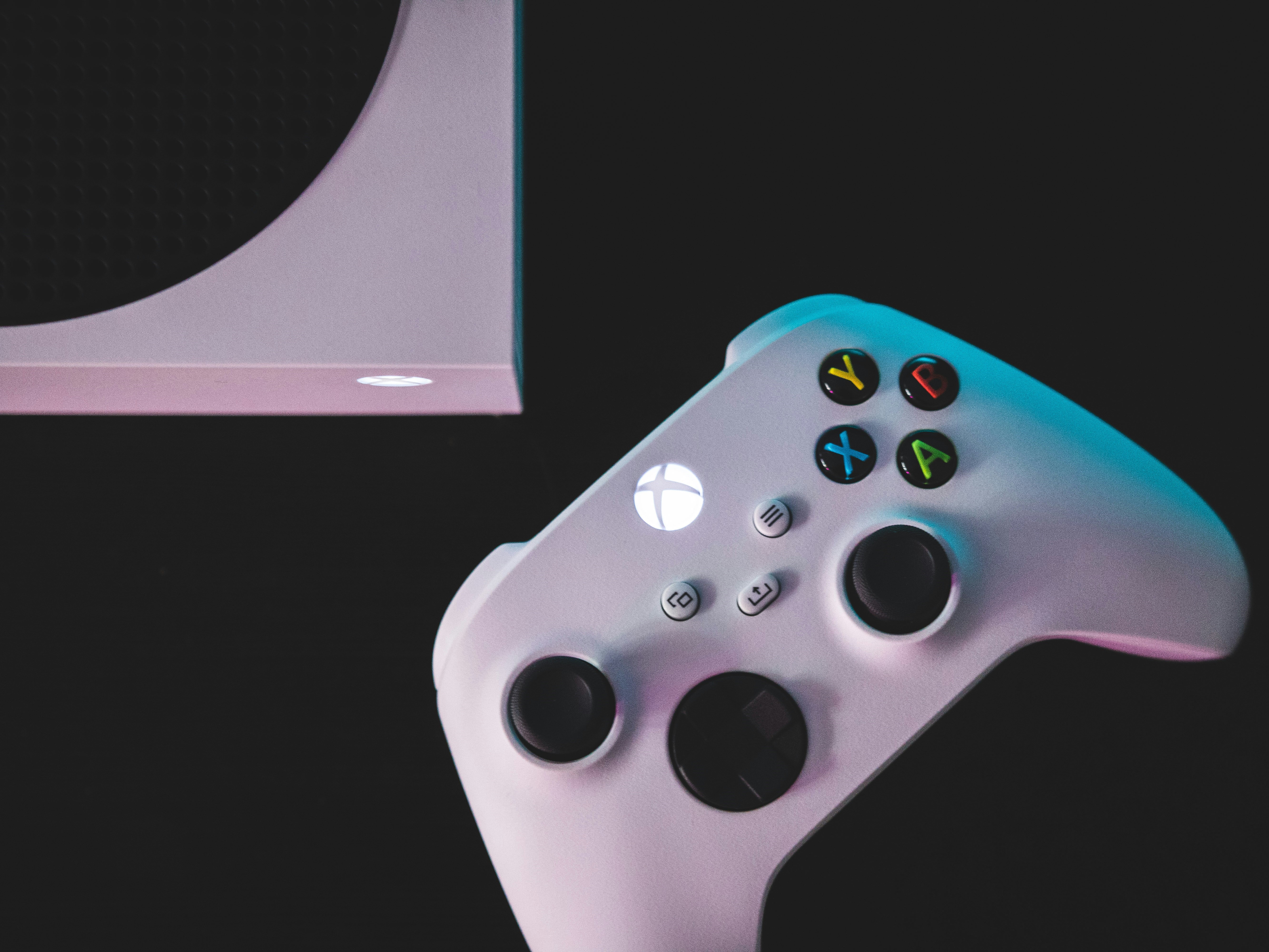
With the Xbox Series X|S and Sony PlayStation 5 now moving into the later stretch of their console generations, attention is rapidly shifting to what comes next. The conversation is heating up around Microsoft’s next Xbox, often referred to as Project Helix, and the Sony PlayStation 6. Early chatter points to a familiar foundation for both platforms: AMD-powered APUs built to handle modern gaming workloads with console-style efficiency.
One of the most interesting new claims focuses on the AMD “Magnus” APU said to be tied to the next Xbox hardware. According to a well-known industry leaker speaking on the NeoGaf forums, this Magnus APU reportedly won’t be sold as a standalone product directly to consumers. That might sound like a dead end for PC builders, but there’s a major twist: because the chip is said to be non-custom (not a one-off part made exclusively for a single console), it could still show up in devices sold by major PC and gaming hardware brands.
If that plays out, it could signal something bigger than just “a new Xbox.” It could be the start of a broader ecosystem of Windows-based gaming consoles—machines built by OEMs such as Asus or MSI, designed to deliver a console-like experience while running Windows under the hood. That idea also lines up neatly with Microsoft’s push toward a full-screen Xbox-style interface on Windows, a controller-friendly mode designed to make a PC feel more like a living-room console.
This rumored direction could also ease a growing concern many gamers have about next-generation console pricing. Multiple reports and rumors have suggested that Project Helix could be positioned as a premium device, potentially pushing beyond the $1,000 mark depending on configuration and market conditions. If OEMs can build their own “Helix-like” Windows consoles around AMD’s Magnus APU, the market may open up in a way traditional console launches usually don’t. Instead of one fixed console at one fixed price, consumers could see multiple options across different budgets.
Imagine a range of living-room-ready Windows gaming consoles: one model with the full Magnus configuration for players who want maximum performance, and another with a cut-down version aimed at affordability. That lower-tier approach could even revive the idea of compact, console-style PC gaming boxes—potentially creating competition for other living-room PC concepts that have come and gone over the years.
For gamers, the biggest win here is choice. If AMD’s Magnus-based hardware really does make its way into OEM-built machines rather than being locked to a single console box, it could mean more competition, more configurations, and more price points—exactly the kind of variety that can make next-gen gaming more accessible without forcing everyone into one expensive flagship device.
Of course, until Microsoft and AMD confirm specifics, it’s best to treat all leaked details as unverified. Still, the idea of Project Helix sparking a new wave of Windows gaming consoles is an exciting possibility—one that could reshape how people buy and play console-style games in the next generation.


