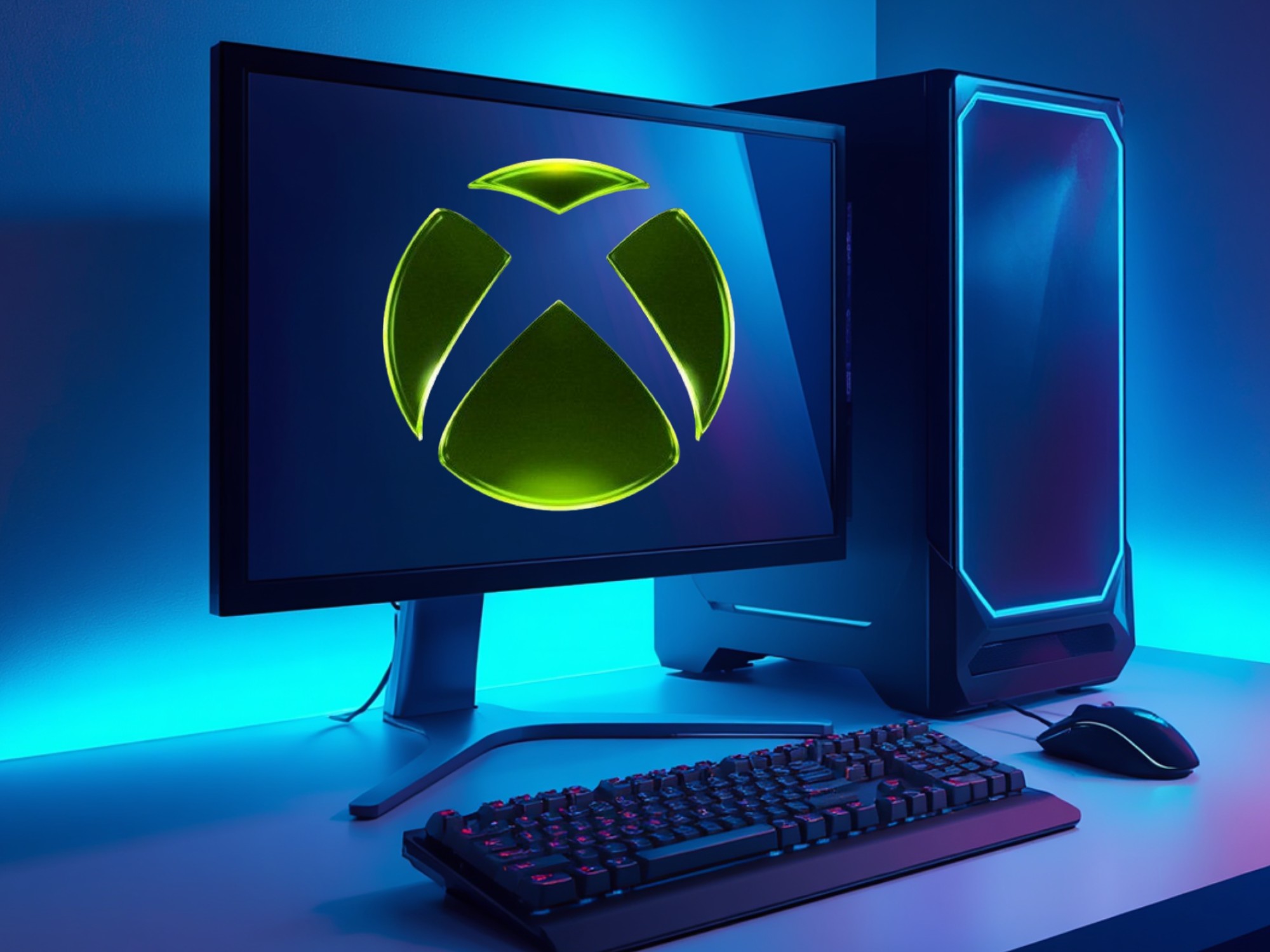
Former PlayStation Boss Suggests Xbox Consoles Could Fade as Microsoft Leans Into Windows Gaming
Microsoft’s Xbox strategy may be heading toward one of its biggest shifts yet. A former PlayStation executive has hinted that the future of Xbox may not revolve around traditional consoles, but instead around Windows-powered gaming devices, PC integration, and hybrid hardware.
Shuhei Yoshida, the former president of PlayStation Studios, recently shared a brief but striking comment on social media, suggesting that “Xbox will dissolve into Windows” and that this could play directly into Microsoft’s greatest strength. While the message was short and open to interpretation, it has sparked fresh debate about whether Microsoft is slowly moving away from the classic console business model.
The timing is important. Xbox has been facing growing questions about its long-term hardware plans, especially as Microsoft continues expanding its games across more platforms and invests heavily in PC gaming. Recent reports about restructuring and layoffs within the Xbox division have only added to speculation about what the company’s gaming future will look like.
For years, Xbox consoles were positioned as direct rivals to PlayStation hardware. But Microsoft now appears to be building a broader ecosystem where the Xbox brand is less about one specific box under the TV and more about access to games across Windows PCs, cloud services, handhelds, and hybrid devices.
One major sign of this shift is Microsoft’s growing focus on Windows-based gaming hardware. The company has already promoted handheld gaming PCs such as the ROG Xbox Ally, a device built by Asus and designed to bring Xbox-style gaming into the portable PC space. Rumors of a first-party Xbox handheld have also circulated, though details about its launch timing and software remain unclear.
Another key part of the discussion is Project Helix, Microsoft’s reported next-generation Xbox concept. Unlike a traditional console, Project Helix is expected to blur the line between Xbox and PC. Reports suggest it could run both Xbox games and PC titles, potentially using a version of Windows designed for a more console-like experience.
If accurate, that would represent a major change in how Microsoft approaches gaming hardware. Rather than selling a closed console platform, the company may be preparing a device that works more like a powerful living-room gaming PC with Xbox branding and controller-friendly software.
Microsoft has already been moving Windows in this direction. The Xbox app on PC now supports a full-screen experience with controller navigation, making it easier to use from a couch or on a handheld device. This is clearly meant to make Windows feel more natural for players who prefer console-style gaming.
However, there is still skepticism. Many gamers feel that Windows, even with gaming improvements, does not yet match the simplicity of a dedicated console. Consoles are popular because they are easy to set up, easy to update, and designed around a living-room experience. Windows PCs, by comparison, can feel more complex, with driver updates, system settings, storefronts, background apps, and compatibility issues.
That challenge may be one reason why Microsoft’s next move is so difficult. The company has a powerful advantage in Windows, PC gaming, cloud infrastructure, and subscription services, but it also faces a tough battle in the traditional console market. PlayStation continues to hold a large lead in console user base and brand momentum, making it harder for Xbox to compete through hardware alone.
There are also supply chain concerns. A wider memory shortage has reportedly created problems for hardware manufacturers, and that could affect any upcoming Xbox device, including a hybrid system like Project Helix. If production costs rise or availability becomes limited, launching a new console-like machine could become even more challenging.
This is why Yoshida’s comment has attracted so much attention. His suggestion that Xbox could “dissolve into Windows” reflects a possibility many industry watchers have discussed for years: Microsoft may not need Xbox to remain a traditional console platform forever. Instead, Xbox could become a gaming layer built into Windows, supported by Game Pass, cloud gaming, PC storefronts, and compatible hardware from multiple manufacturers.
That does not necessarily mean Xbox hardware will disappear overnight. Microsoft executives have repeatedly said the company remains committed to future devices. But the meaning of “Xbox hardware” may change. Instead of a standard console generation, Microsoft could release or support a range of Windows-powered gaming machines, from handhelds to living-room PCs.
For players, this could be both exciting and confusing. On one hand, a more open Xbox ecosystem could mean more ways to play, better access to PC games, and fewer restrictions tied to one console. On the other hand, fans who value the plug-and-play simplicity of Xbox consoles may worry that Microsoft is leaving behind the traditional console experience.
The future of Xbox is likely to depend on how well Microsoft can combine the strengths of Windows with the convenience of a console. If the company can create a smooth, controller-first interface that hides the complexity of PC gaming, a hybrid Xbox device could be appealing. But if it feels too much like a regular Windows PC, it may struggle to win over living-room gamers.
For now, the direction is becoming clearer: Microsoft is no longer treating Xbox as just a console brand. It is turning Xbox into a wider gaming platform that stretches across PCs, handhelds, cloud services, and possibly next-generation hybrid devices.
Whether that means the end of traditional Xbox consoles remains to be seen. But the signs suggest that the future of Xbox may look far more like Windows gaming than the console wars of the past.