Microsoft’s gaming division is entering another uncertain chapter, and Xbox fans are watching closely. With longtime Microsoft Gaming CEO Phil Spencer reportedly heading into retirement, fresh questions are surfacing about where Xbox goes next—especially after news that Xbox President Sarah Bond is stepping down. A newly surfaced report paints a picture of internal disagreements, with some employees pushing back against a strategic shift that seemed to move attention away from traditional Xbox consoles.
One of the biggest reasons this exit is drawing so much attention is how quietly it happened. A Microsoft blog post published on February 20 didn’t directly address Bond’s departure, even though Spencer praised her contributions. Bond herself didn’t immediately respond publicly and only commented later through an update on LinkedIn. That left room for speculation, and it didn’t take long for more details to emerge about tension behind the scenes.
Bond became Xbox President in 2023, shortly after Microsoft completed its blockbuster Activision Blizzard acquisition. According to the report, her early mission centered on growing Microsoft Gaming’s overall audience beyond the usual console player base. That meant leaning harder into initiatives like Play Anywhere and expanding access through cloud gaming across Windows handhelds, mobile devices, and smart TVs. The idea was straightforward: make Xbox a platform that travels everywhere, not something tied to a living-room console.
Internally, however, that approach reportedly created a divide. Employees who were used to a more console-centered Xbox culture felt the strategy wasn’t placing enough emphasis on the hardware that built the brand. The report claims this direction “had been failing internally and been questioned multiple times,” and that several staff members who worked under the previous leadership eventually left—an apparent sign of growing frustration. Among workers who remained, some reportedly felt relief about Bond’s departure. Sources described her as challenging to work with, while also acknowledging that she was a strong business-minded leader.
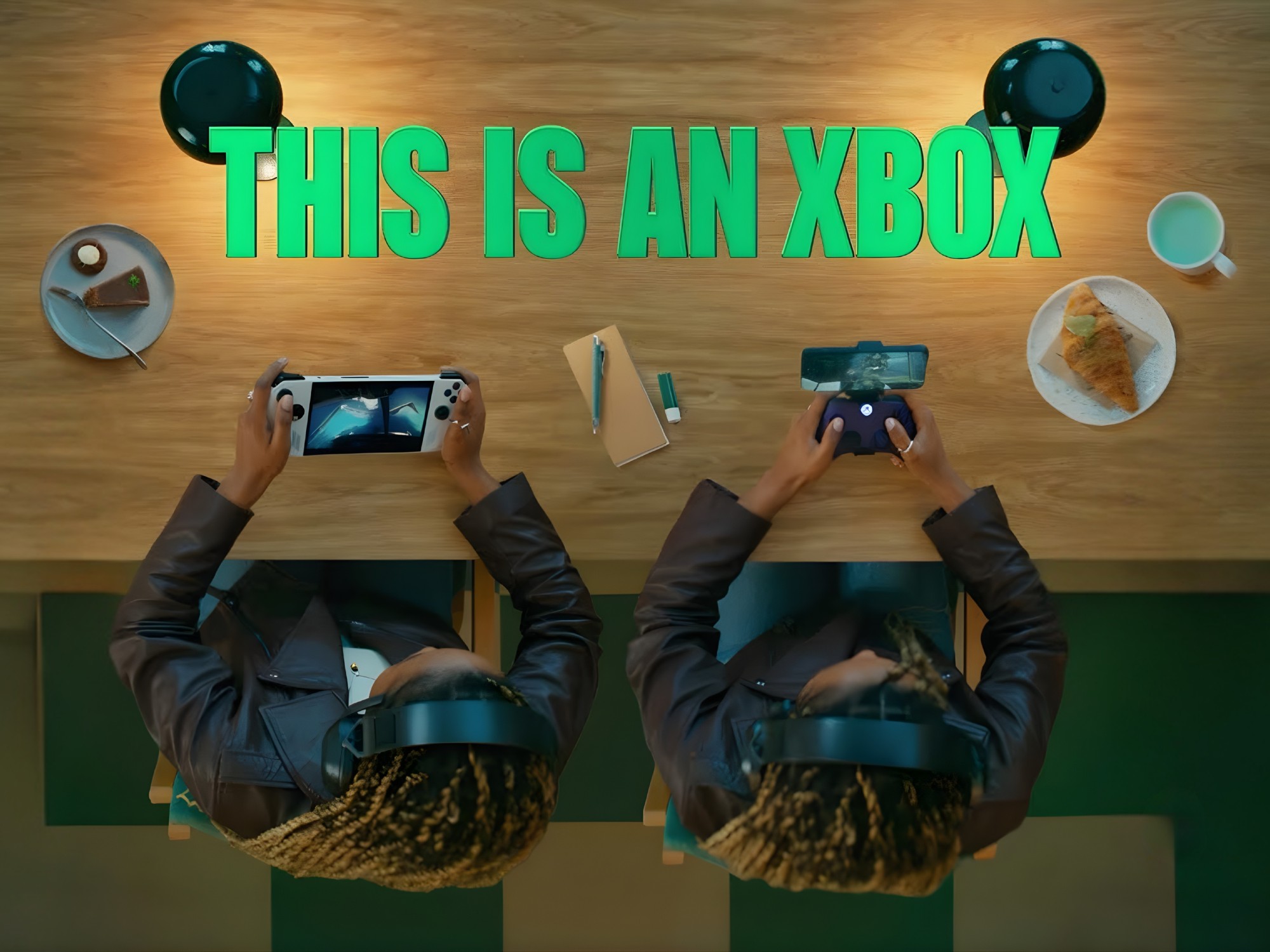
Now the big question is whether Xbox will recalibrate and move back toward its roots—meaning a renewed focus on dedicated Xbox consoles and first-party exclusive games. That possibility is fueled in part by Microsoft’s struggles with declining hardware revenue. Bond’s “This Is an Xbox” campaign, which aimed to redefine what an Xbox can be across devices, reportedly hasn’t delivered the boost Microsoft would have wanted, according to recent earnings context.
Attention is also shifting to the next era of leadership. With Asha Sharma stepping into the Microsoft Gaming CEO role, reactions have been mixed. Some critics are wary of her enthusiasm for AI and skeptical that her early messaging will be enough to reassure players who want a clear, console-forward plan. Still, Sharma has talked about a “return of Xbox,” language that suggests the company may be preparing to re-emphasize the parts of the brand that made it a household name in the first place.
Even if Microsoft wants to bring the console experience back to center stage, it won’t be easy to pivot quickly. The company has invested heavily in cloud gaming and has expanded its publishing strategy across competing platforms, including the PlayStation 5. On top of that, rumors around the next Xbox hardware suggest it may feel more like a Windows-based device than a traditional couch-friendly console—potentially reinforcing the very shift that caused internal debate.
For now, Xbox appears to be at a crossroads: double down on the cloud-first, play-anywhere future, or restore confidence in consoles by prioritizing hardware and exclusive games again. With leadership changes stacking up and employees reportedly divided on direction, the next few months could define what “Xbox” will mean for the next generation of players.


