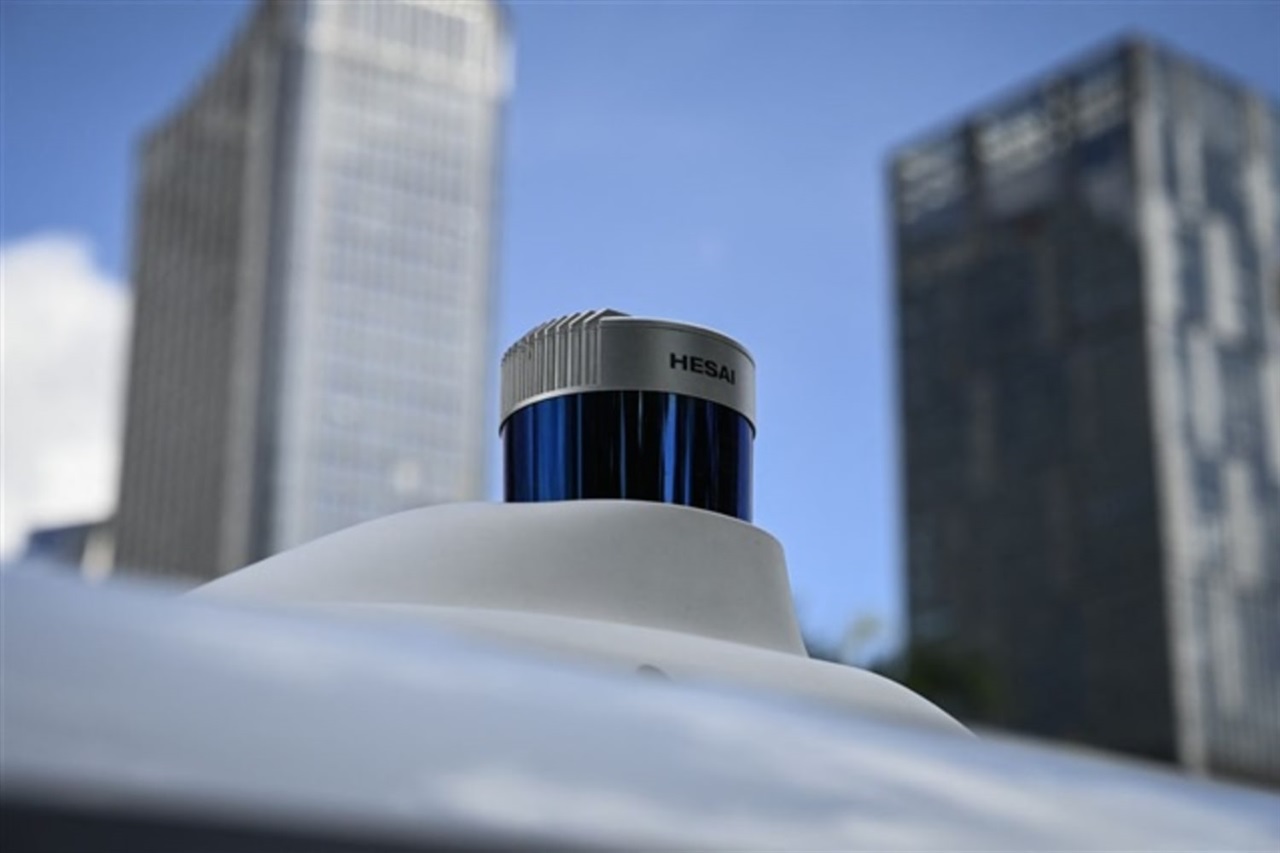
LiDAR goes mainstream: falling costs bring advanced 3D sensing to everyday cars
Once reserved for high-end autonomous prototypes and luxury models, LiDAR is rapidly moving into midrange and even budget vehicles as prices drop. Global shipments of automotive LiDAR are projected to surpass 2 million units in 2025, a clear sign that the market is shifting from small-scale validation to true mass commercialization.
What changed
– Costs have fallen sharply thanks to solid-state designs, larger production volumes, and a more mature supply chain.
– Automakers are embracing sensor fusion, pairing LiDAR with cameras and radar to boost reliability across lighting and weather conditions.
– Competition among suppliers has accelerated innovation, shrinking sensor size and improving durability while pushing prices lower.
Why it matters for everyday drivers
– Better perception when it counts: LiDAR adds highly accurate depth and object detection, especially useful at night, in glare, or in complex urban settings.
– Stronger driver-assistance features: Systems like automatic emergency braking, pedestrian and cyclist detection, adaptive cruise control, and lane centering can perform more consistently when LiDAR augments cameras and radar.
– Smoother path to hands-free convenience: Some vehicles may enable more advanced highway assist and parking features as LiDAR feeds precise, real-time 3D data to onboard software.
– Future-proof potential: As over-the-air updates improve driver-assistance algorithms, LiDAR-equipped cars can benefit without requiring new hardware.
What it means for automakers and the industry
– Differentiation through safety and convenience: Enhanced sensing can help vehicles stand out in safety evaluations and customer reviews.
– Scalable platforms: As prices decline, brands can offer LiDAR across trims, turning premium features into widely accessible options.
– Faster development cycles: With a growing installed base projected to exceed 2 million units in 2025, more real-world data will refine software faster, accelerating the march toward higher automation levels.
How this may shape the car-buying experience
– Expect more models to list LiDAR as standard or as part of affordable driver-assistance packages.
– Look for smaller, more seamlessly integrated sensors placed near the windshield, roofline, or grille for cleaner styling.
– Watch for feature tiers: basic collision avoidance as standard, with enhanced highway and parking capabilities in optional bundles.
Tips for shoppers considering LiDAR-equipped vehicles
– Verify what’s included: Is LiDAR standard or part of a specific package? Which features does it unlock today?
– Ask about updates: Confirm support for over-the-air improvements to driver-assistance features over time.
– Check sensor coverage: Field of view and placement can affect performance, especially in city driving and on curvy roads.
– Understand ownership costs: Inquire about calibration procedures, warranty coverage, and any subscription fees tied to advanced features.
The bottom line
Automotive LiDAR is graduating from early trials to the mainstream. With global shipments expected to exceed 2 million units in 2025, the technology is set to become a familiar part of everyday vehicles, enhancing safety, boosting driver confidence, and laying the groundwork for more capable driver-assistance systems at price points that reach far beyond luxury segments.