The ultra-thin flagship phone trend sounded like the next big thing when major brands started teasing sleek premium handsets designed to look and feel impossibly slim. But the real-world results have been far less exciting. After slim models such as the iPhone Air and Galaxy S25 Edge failed to sustain strong momentum, the idea quickly lost steam across the industry. Now, a fresh leak shows just how close at least one major Chinese brand came to joining the race before deciding the risks weren’t worth it.
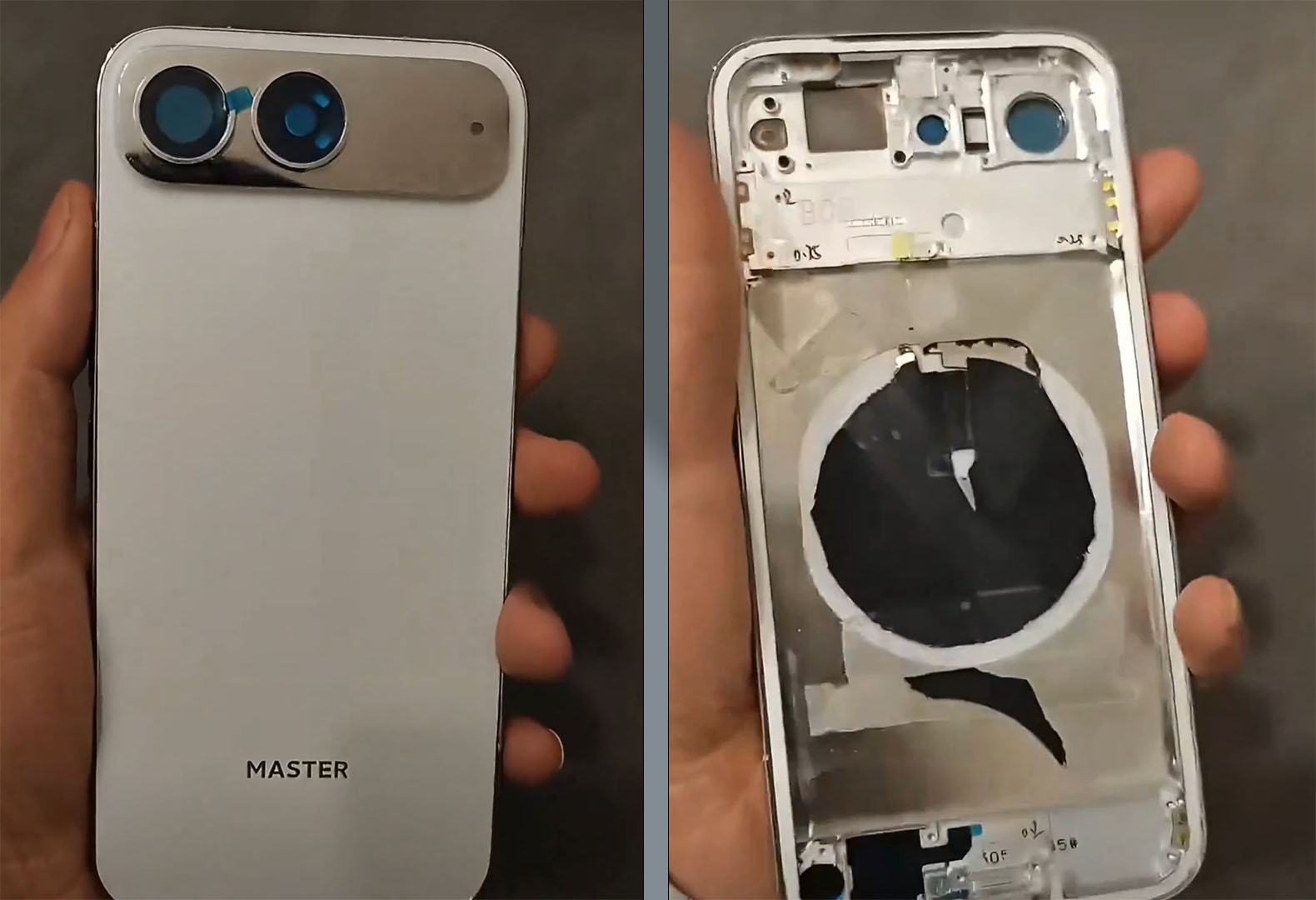
A newly surfaced prototype reveals what appeared to be Xiaomi’s answer to the ultra-slim flagship: the Xiaomi 17 Air. According to the leak, the project was eventually canceled, but the remaining prototype gives a clear look at what Xiaomi was building behind the scenes. The most eye-catching detail is the thickness. Reportedly measuring around 5.5mm, the frame shown in the video looks even thinner than the iPhone Air, highlighting how aggressively Xiaomi was pushing the “thin-and-premium” concept.
What makes this prototype particularly interesting is that it wasn’t designed around a single-camera compromise. Despite the extremely thin chassis, the Xiaomi 17 Air prototype still appears to include a dual rear camera setup. For many buyers, that second camera can be the difference between a phone that feels versatile and one that feels limited, even if computational photography continues to improve on single-sensor devices. The prototype also shows a noticeable rear camera bump, and the placement markings suggest wireless charging support was part of the plan as well.
The leaked details indicate the Xiaomi 17 Air would have come with a 6.59-inch display. From the angles shown, the phone seems built to deliver the “wow” factor in hand, with a design language that closely mirrors the direction popularized by Apple’s slim flagship approach. Xiaomi has often been accused of borrowing familiar design cues, so the resemblance isn’t likely to surprise anyone following smartphone trends.
One of the biggest challenges with ultra-thin phones is battery life, and this is where the Xiaomi 17 Air could have tried to separate itself. The prototype is believed to have been planned around a silicon-carbon battery, a technology increasingly associated with high-end Chinese smartphones. Compared with conventional lithium-ion designs, silicon-carbon cells can potentially deliver higher energy density, which is exactly what you need when you’re shaving millimeters off a flagship body. If the Xiaomi 17 Air had launched, it likely would have been marketed heavily on endurance—positioned as an ultra-thin phone that doesn’t collapse under real daily use.
Still, software efficiency remains a major part of the battery life equation. In a previous battery drain comparison mentioned alongside the leak, Apple’s optimization was highlighted in a way that will make thin-phone engineers nervous: a Xiaomi flagship with a much larger battery reportedly lasted only minutes longer than Apple’s competing model. Results like that underline why ultra-thin devices are so difficult to get right. Once you reduce internal space, you’re forced to make hard tradeoffs, and you can’t rely on battery capacity alone to win.
That’s also why the broader slim-flagship experiment appears to be fading. Even when early demand looked promising, it didn’t always last. The iPhone Air, for example, reportedly sold out at first in China but saw interest cool quickly, leading to lowered shipment expectations and eventually reduced production. It’s the kind of market performance that makes competitors hesitate—especially those who would need to invest heavily in new engineering, battery tech, camera layouts, and thermal designs just to ship a phone that may be admired more than it’s purchased.
For now, the Xiaomi 17 Air looks like one of the most striking “what could have been” phones in recent memory: a 5.5mm premium prototype with a large display and dual cameras, built for a trend the market may not be ready to support. The leaker suggests the concept could return at the right time, but the takeaway is clear. Until manufacturers can deliver ultra-thin designs without major compromises—and until buyers reward those designs with consistent sales—many of these ambitious projects are likely to remain canceled prototypes and leaked videos instead of real products on store shelves.