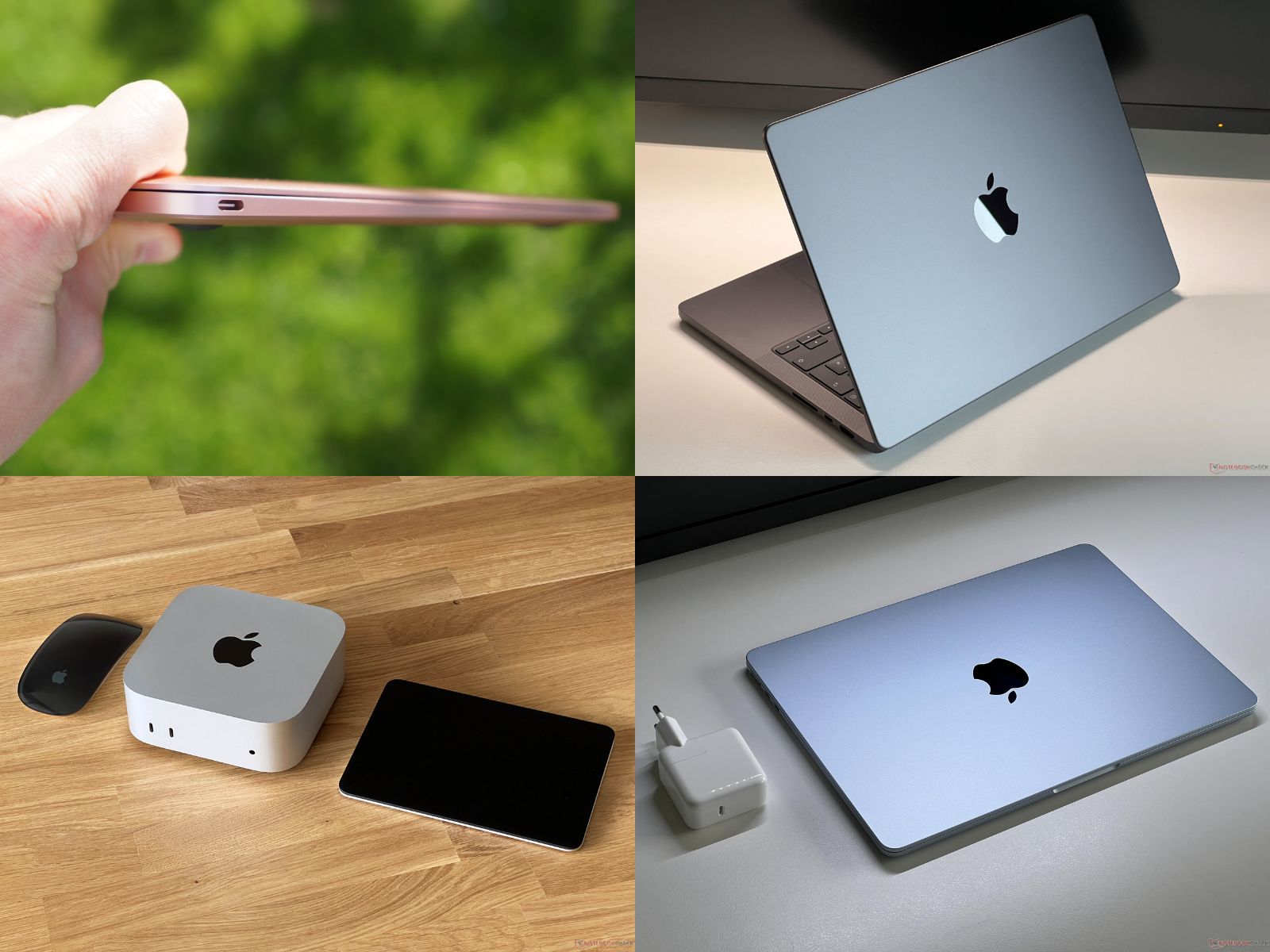
Apple’s next wave of Macs is shaping up to be a bigger deal for performance-focused buyers than a typical year-over-year refresh. If you depend on heavy graphics work, pro video workflows, or AI development, the smartest move for 2026 may be holding off a little longer—because the most meaningful upgrades are expected to arrive with Apple’s next-generation M5 family.
Mac Studio: why waiting could pay off for power users
The next Mac Studio is expected to deliver its biggest leap on the graphics side. Reports point to architectural improvements paired with higher core counts, a combination that could push the machine closer to true workstation-class performance. That matters most for professionals running demanding tasks such as 3D rendering, high-resolution video production, complex motion graphics, and AI-related workloads that benefit from stronger GPU output and increased parallel processing.
If your current setup is already handling everyday creative work comfortably, waiting for the next Mac Studio may make the most sense in Apple’s 2026 lineup—especially if maximum performance per machine is a priority and you want the most headroom for future projects.
MacBook Pro (14-inch and 16-inch): M5 Pro and M5 Max could arrive soon
Apple is also expected to update the 14-inch and 16-inch MacBook Pro models with M5 Pro and M5 Max chips relatively soon, potentially landing between late January and the usual spring event timeframe. For buyers who want portable power but don’t want to wait deep into the year, this window could be worth watching.
Don’t expect a redesign this time around. The next MacBook Pro generation is widely expected to keep the same overall look and feel, with the same chassis, display technology, and form factor as the current models. The headline changes should be under the hood, centered on the new silicon.
What the M5 changes could mean in real-world use
While the exterior may stay the same, the chip improvements could be substantial—particularly for graphics-heavy work. Apple is rumored to be refining its chip architecture with a clearer separation between CPU and GPU core layouts. In practical terms, that could enable higher GPU core counts and stronger graphics performance, which would directly benefit:
3D rendering and animation work that leans heavily on GPU acceleration
Video editing and exporting, especially with effects-heavy timelines
Gaming performance on macOS where GPU power is a major limiter
AI-related tasks that rely on fast parallel compute and efficient on-device processing
Should you buy now or wait?
If you need a Mac immediately for work or school, current MacBook Pro and Mac Studio models are still excellent machines. But if your purchase decision hinges on getting the biggest performance jump—especially in GPU-heavy professional workflows—the upcoming M5 Pro, M5 Max, and the next Mac Studio upgrades are strong reasons to wait. The 2026 generation is shaping up to be less about cosmetic changes and more about real performance gains where they matter most.