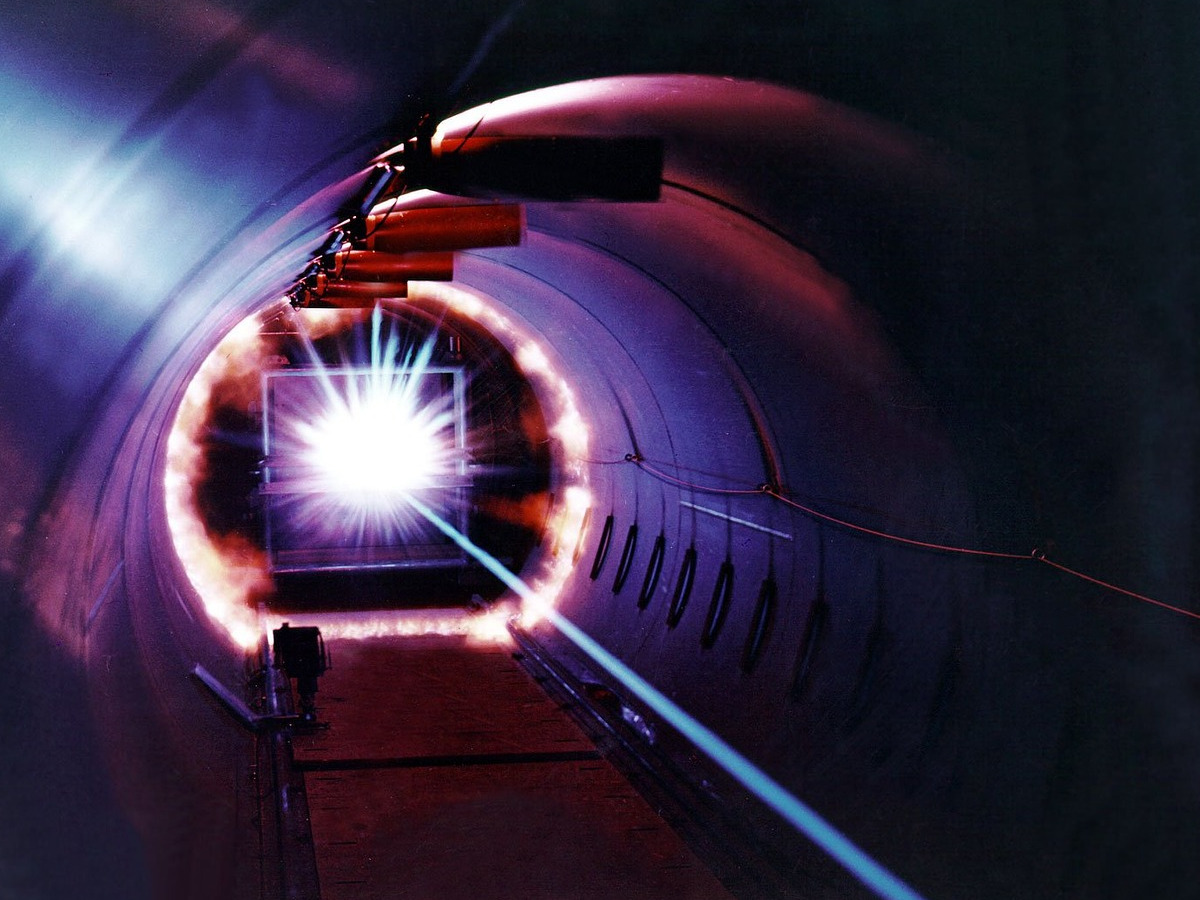
Recent advancements at the University of Rochester have shown that their Omega laser system, recognized as one of the most potent of its kind, can potentially streamline nuclear fusion processes. The system’s high-quality laser is proficient in transferring energy efficiently, laying the groundwork for significant developments in nuclear fusion experiments.
An experimental milestone was achieved when the system released 50 percent more energy than was initially supplied by the laser, despite the output being a modest 0.3 kilowatt hours compared to the much larger energy input. To achieve this feat, the plasma – an ultra-hot material where atoms and electrons separate completely – had to be housed in a gold-coated capsule. This container was crucial to create the extreme pressure and temperature of several million degrees necessary for fusion, mirroring the internal conditions of the sun where fusion naturally occurs. However, at typical pressure levels on Earth, a staggering temperature over 180 million degrees Fahrenheit is needed compared to the sun’s core temperature of 27 million degrees Fahrenheit.
Despite these challenges, the experiment demonstrates that energy derived solely from laser light can stimulate plasma to induce nuclear fusion in a localized area. For significant energy production, the daily use of a million gold capsules and rapid laser pulses is required, which poses practicality and scale concerns.
The experiments have given way to alternative methods, replacing gold capsules with silicon-based ones, which are more abundant but have yet to reach the required heat levels for fusion. Computational models are being employed to upscale the experiment with larger capsules and more potent laser energy, hoping to achieve favorable fusion conditions. While the energy balance remains negative, the system holds promise for scaling up.
With the potential for a technically manageable system, various startups, including the German-American Focused Energy situated in Austin and Darmstadt, are exploring the prospects of bringing this laser-fueled nuclear fusion technology to practical application.