The journey to create a functional and economically viable nuclear fusion reactor is complex and challenging, with extreme temperatures at play. Reaching the necessary conditions of 150 million degrees Celsius (270 million degrees Fahrenheit) for the fusion of hydrogen isotopes into helium is no small feat due to the tremendous energy required.
One of the major hurdles in nuclear fusion technology is the behavior of plasma. Plasma heated to such extreme temperatures, which exceed even the core temperature of the sun, is prone to turbulence. This movement of the plasma could potentially force it out of the containment fields, causing a major risk. If the plasma were to escape, it might lead to frequent shutdowns as the intensely hot matter could cause serious damage upon contact with any material if it breaches the magnetic fields designed to contain it. Such incidents challenge the ultimate goal of a fusion reactor, which is to produce more energy than is consumed in heating and maintaining the reactor’s containment.
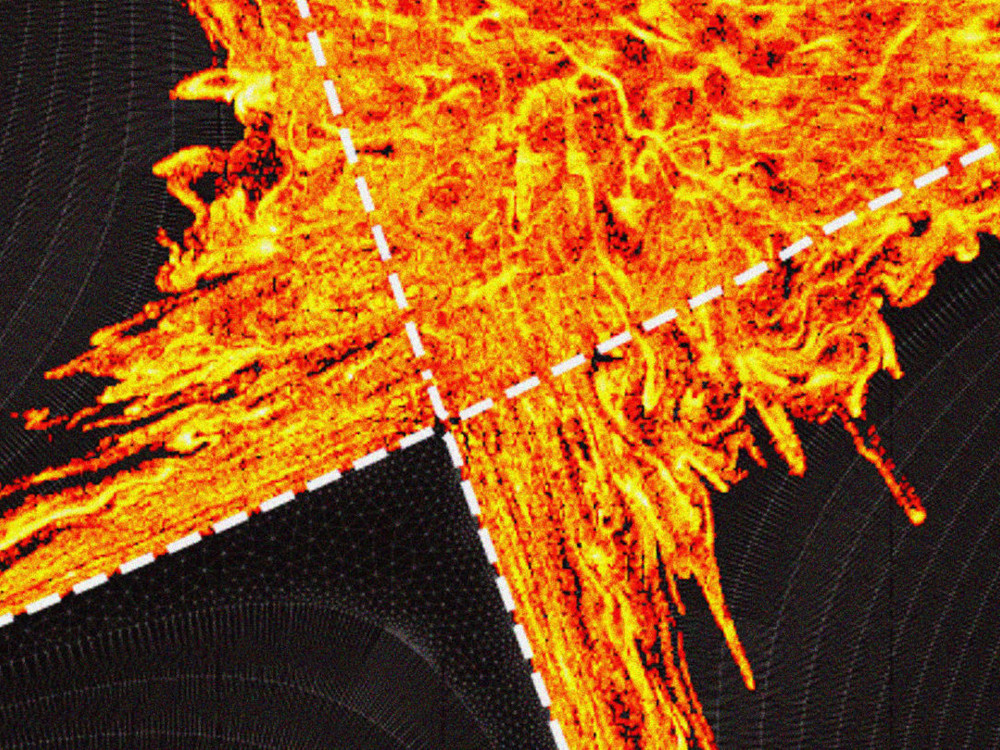
Recent developments, however, suggest that these issues might be less of a concern than previously thought. Advanced simulations using state-of-the-art software have presented a different picture of how plasma might behave. Among the new factors considered in these simulations is “homoclinic turbulence,” which implies that plasma eruptions might actually return to their origin instead of escaping containment. This finding indicates that eruptions might spread over a 30 percent larger area than prior models anticipated, which paradoxically means the extreme heat would not be as focalized and could be somewhat easier to manage.
Moreover, certain measures might help prevent these plasma turbulences or at least attenuate their effects. Introducing elements like neon into the mix has been found to reduce the likelihood of eruptions by damping turbulence at its source.
So, what do these advancements mean for the future of nuclear fusion? They suggest that the ITER reactor—a global project aimed at demonstrating the feasibility of fusion as a large-scale and carbon-neutral source of energy—could be operated more efficiently than previously calculated. The plasma might be better controlled, reducing the frequency of emergency shutdowns. Of course, these findings are contingent on ongoing research and future simulations, which could either reinforce or challenge current models.
There is time to refine these models and techniques, as ITER is not expected to commence operations for at least another decade. But once it does go live, it will serve as a critical real-world test for the validity of these optimistic simulations and whether nuclear fusion can indeed be a more manageable and sustainable energy source for our future.